West Africa
Introduction
Work in Progress: This page is still a work in progress. I will be updating this page with stories in the near future. The text here needs a lot of work, it’s pretty much just brain vomit right now.
I spent four months exploring West Africa by bicycle. By the time I had made it to Nigeria, I had pedaled over 8,000km, crossed nine countries, and collected memories to last several lifetimes.
So, why Africa?
Honestly, I realized I knew almost nothing about it. The continent was barely mentioned in my schooling and often overlooked in the news. I wanted to change that for myself. I chose a bicycle because it was the opposite of a car or bus window. It forces you to be present. You feel the heat, the dust gets all over you, the kids run after you, and the locals cheer you on as you slowly climb up a hill. It was the perfect tool to push me out of my comfort zone and connect with people and culture in a more natural way.
In the months leading up to the trip, I spent time researching routes, ever-changing border crossing rules, and visas. I made sure I had all the necessary gear and knew how to fix my bike. I also leaned heavily on the wisdom of other cyclists who had tackled similar routes in Africa (much love to the West Africa Cycling WhatsApp Group).
Physically, I had just returned from mountaineering in the Andes, where I climbed peaks at 5,000 and 6,000 meters. Before that, I focused on building endurance by running–often running half marathons on weekends. Still, an 8,000km bike tour was a whole new beast. The longest trips I’d done before this were a loop around Taiwan (環島) and a ride from NYC to Montreal. This was going to be different.
An unexpected end
The grand plan was to cycle from Morocco to South Africa. However, I had just arrived in Lagos when news broke of US airstrikes in northern Nigeria. I was especially excited to head north to Kano, a region with Hausa architecture and culture more similar to the Sahel states. It was a tough call, but with the shifting situation and a need to go back to work, I made the decision to pause the journey and head home. The adventure isn’t over–it’s just on hold until it feels right to continue.
This page is my way of documenting the journey and sharing the Africa I got to experience: the most diverse continent full of kind people ready to welcome a stranger on a bicycle.
Thanks for following along.
Morocco
Arriving in Morocco
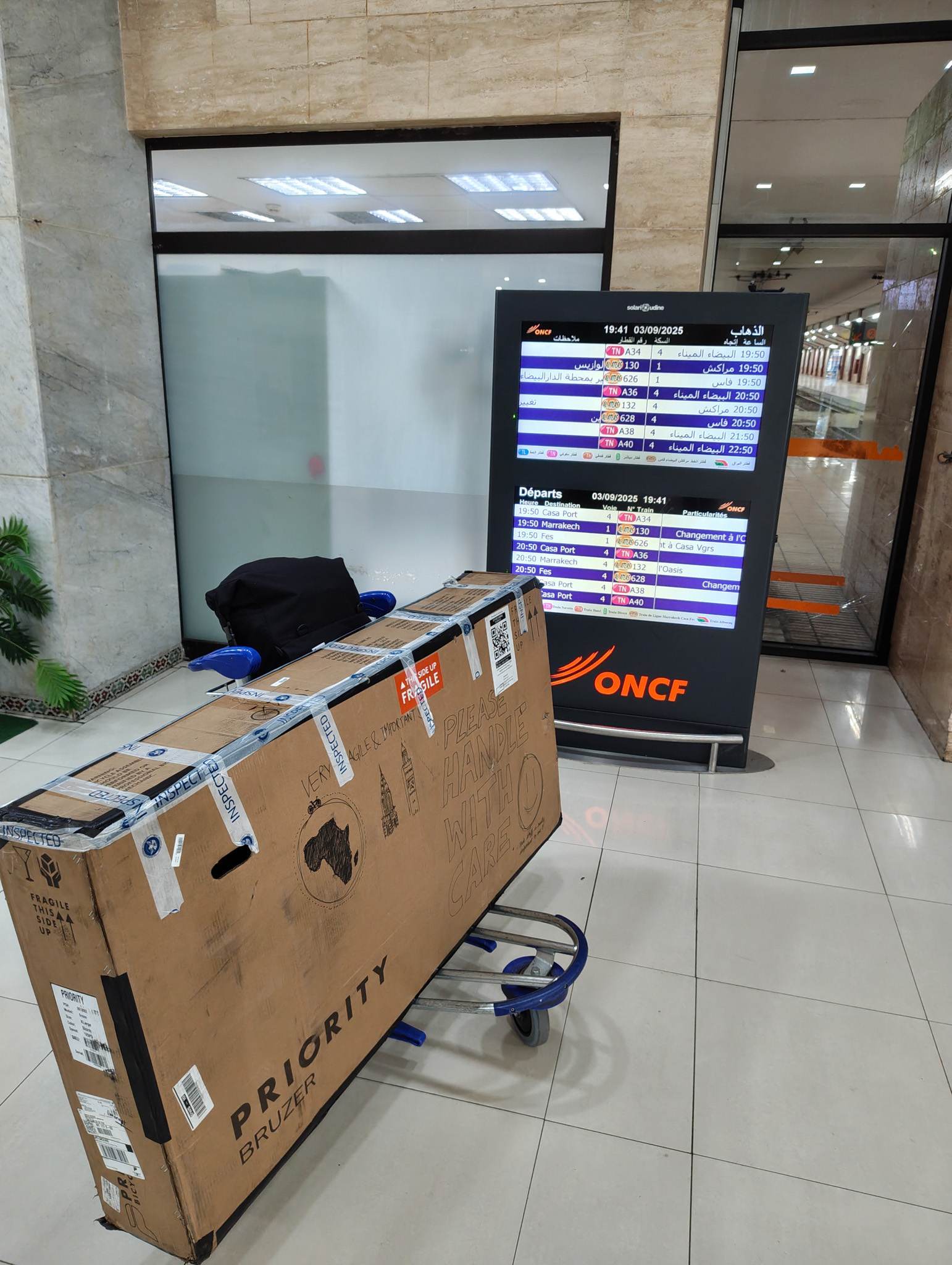
I arrived in Casablanca after a long flight from New York. Since this wasn’t my first time in Morocco I had a little idea of what to expect, but I was quite surprised by how good the trains were. As of 2026, Morocco has high-speed rail connecting major cities in the north, with major expansion planned. It’s the only country on the continent with a high-speed rail system.
I wanted to start from the northern part of Morocco and work my way down, so after spending a day in Casablanca, I took a bus to Tangier. Tangier sits right at the western entrance of the Strait of Gibraltar, a mere 14km from Spain. It was a major Phoenician trading post. Fun fact, the word “tangerines” originally meant “of Tangier” used to describe fruit shipped from Tangier, and later was used as a description for Mandarin oranges coming from China through that port.
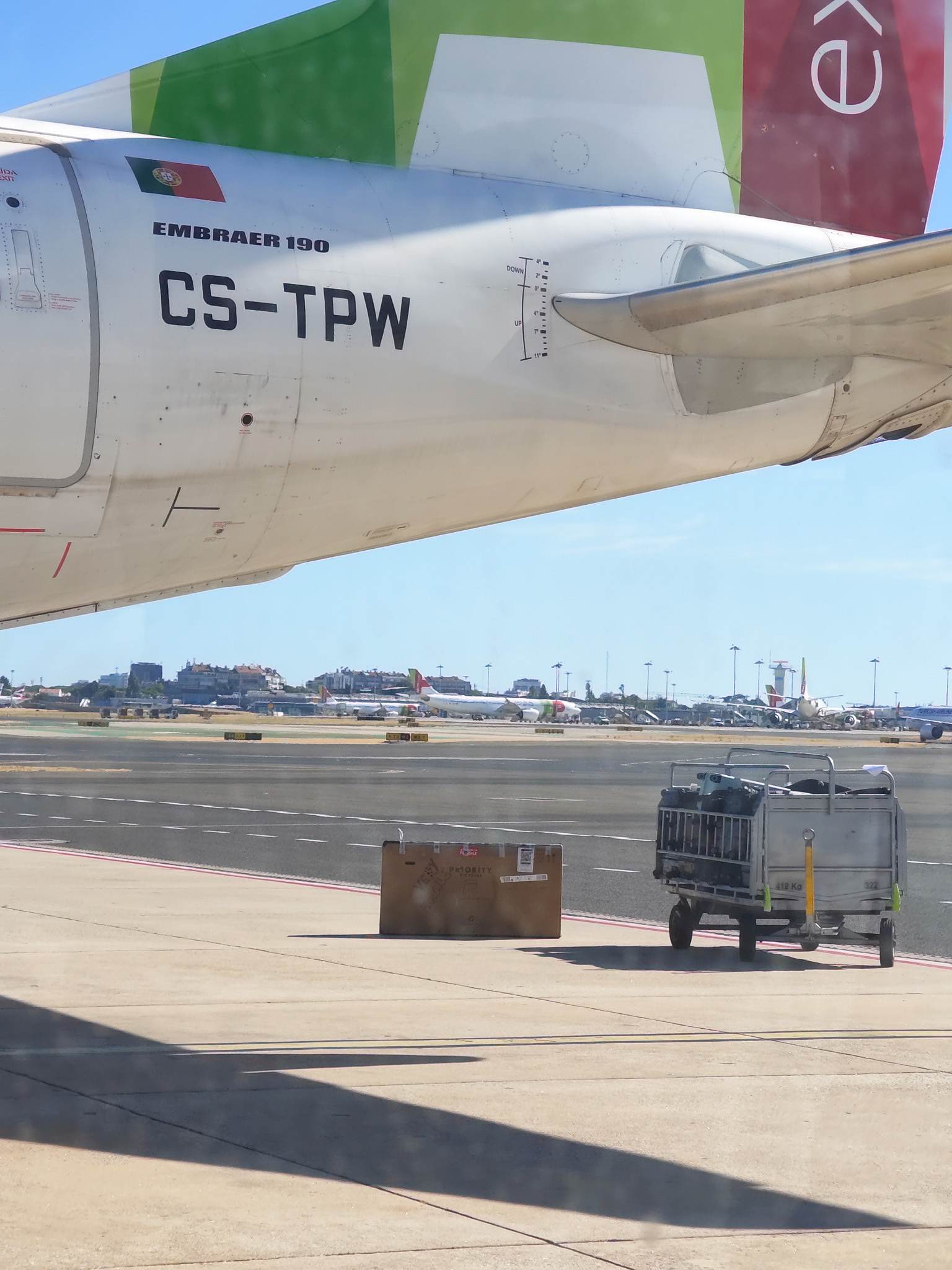
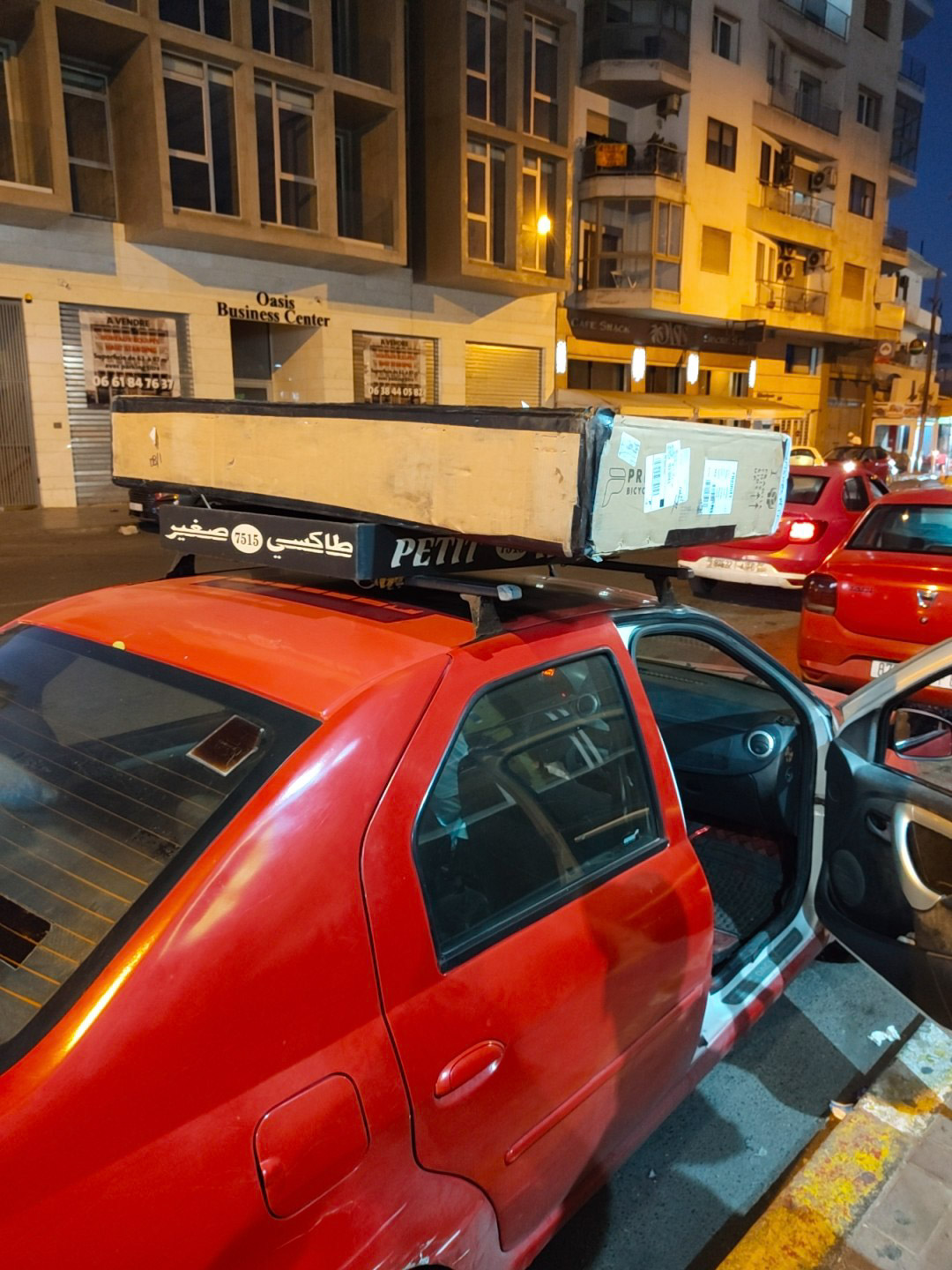
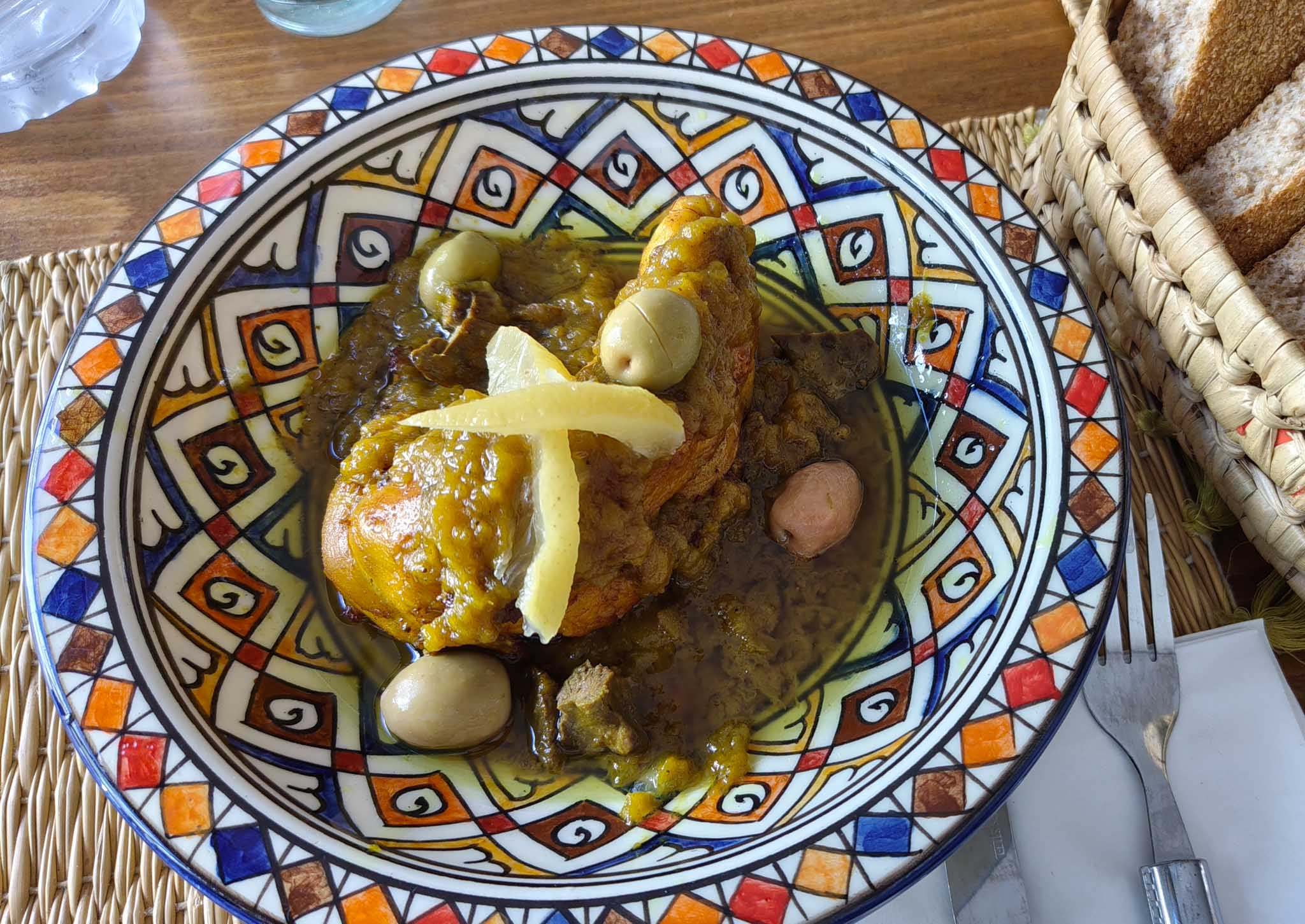
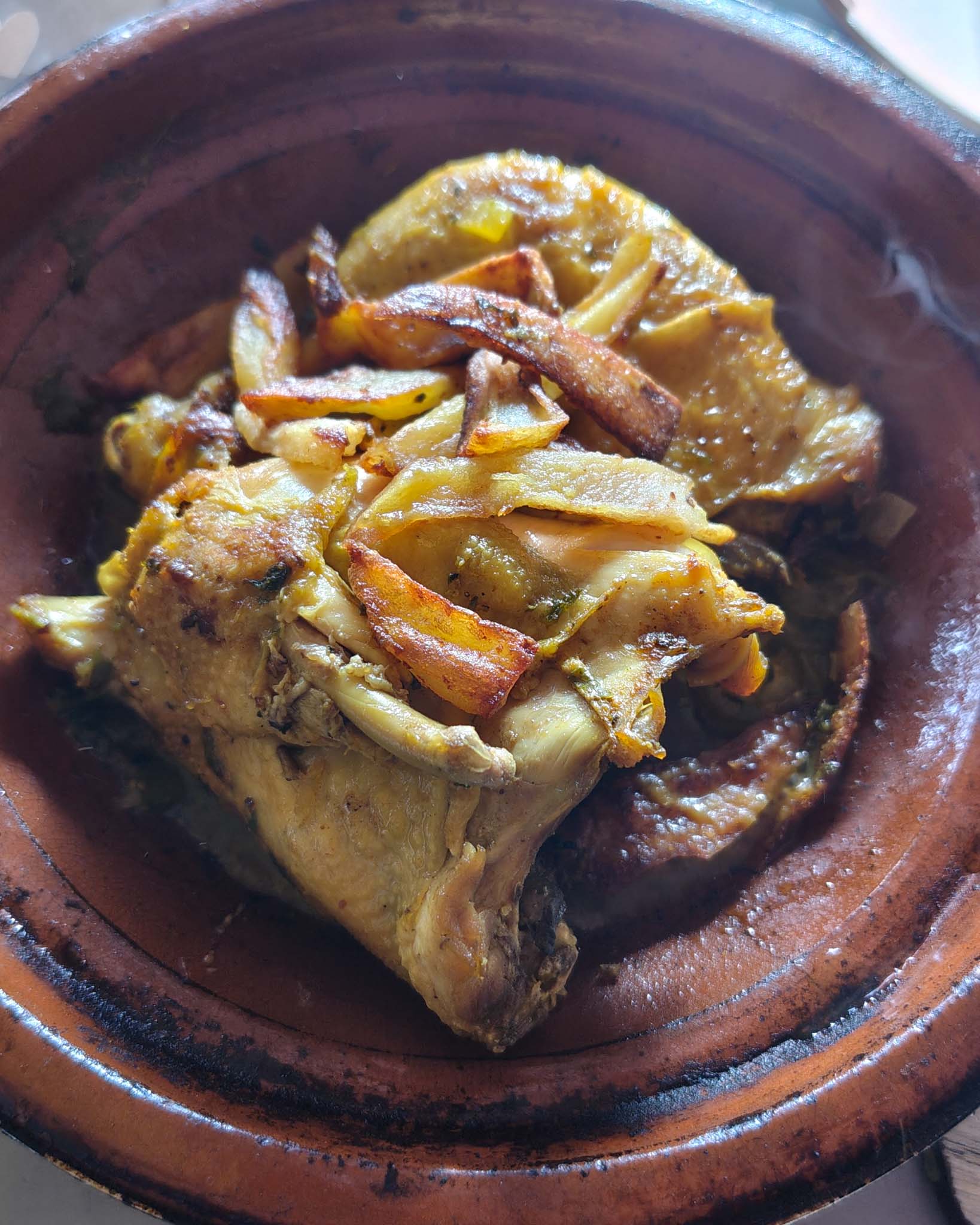
After walking through the Medina, exploring the coast, and eating some tagines, I was ready to unpack my bicycle. My bicycle box had been on two planes, on a train, inside a bus, and on top of a taxi, so I was hoping it was in good shape. Thankfully, nothing was damaged and I was on my way south.
The Rif Mountains
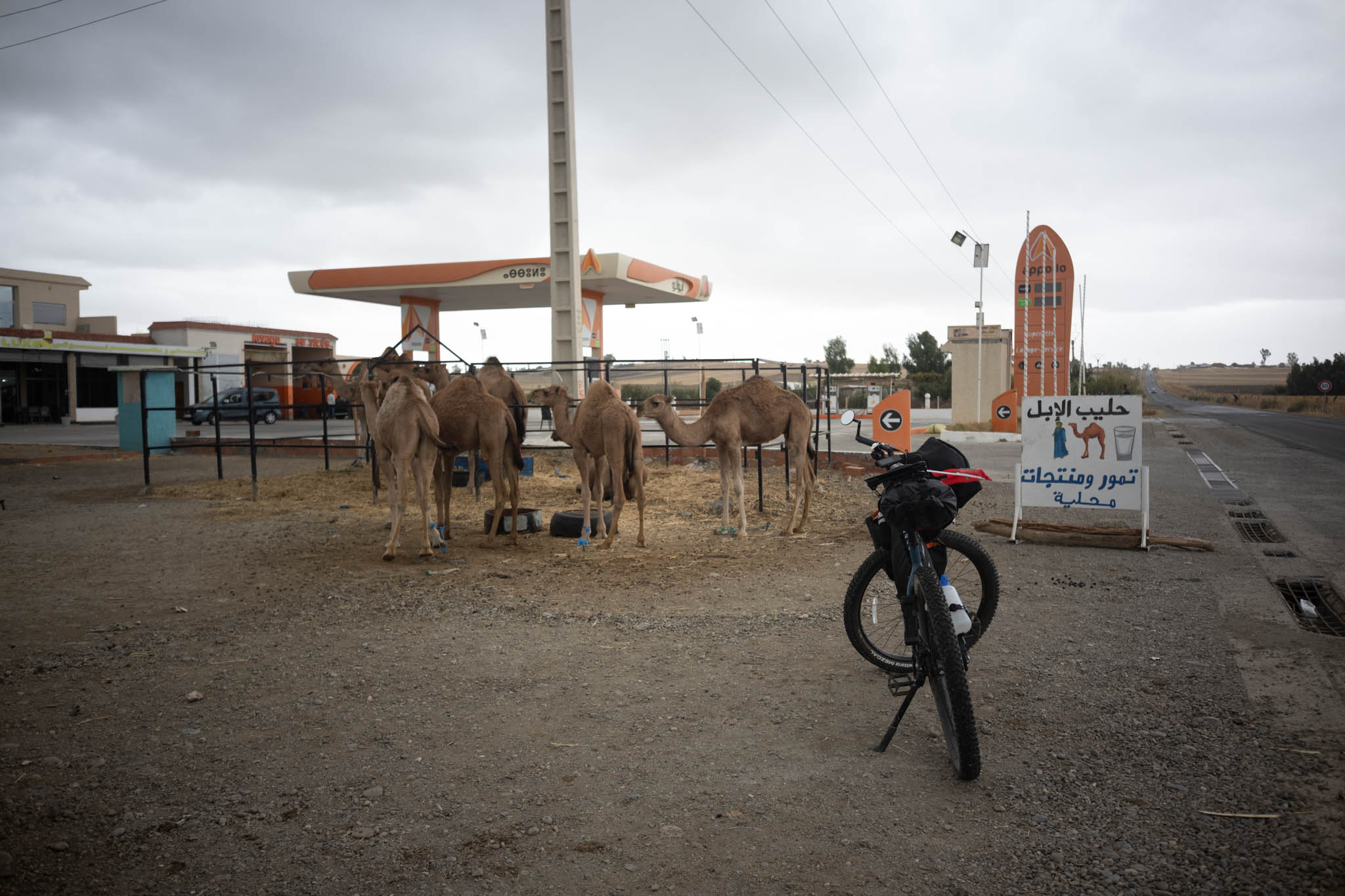
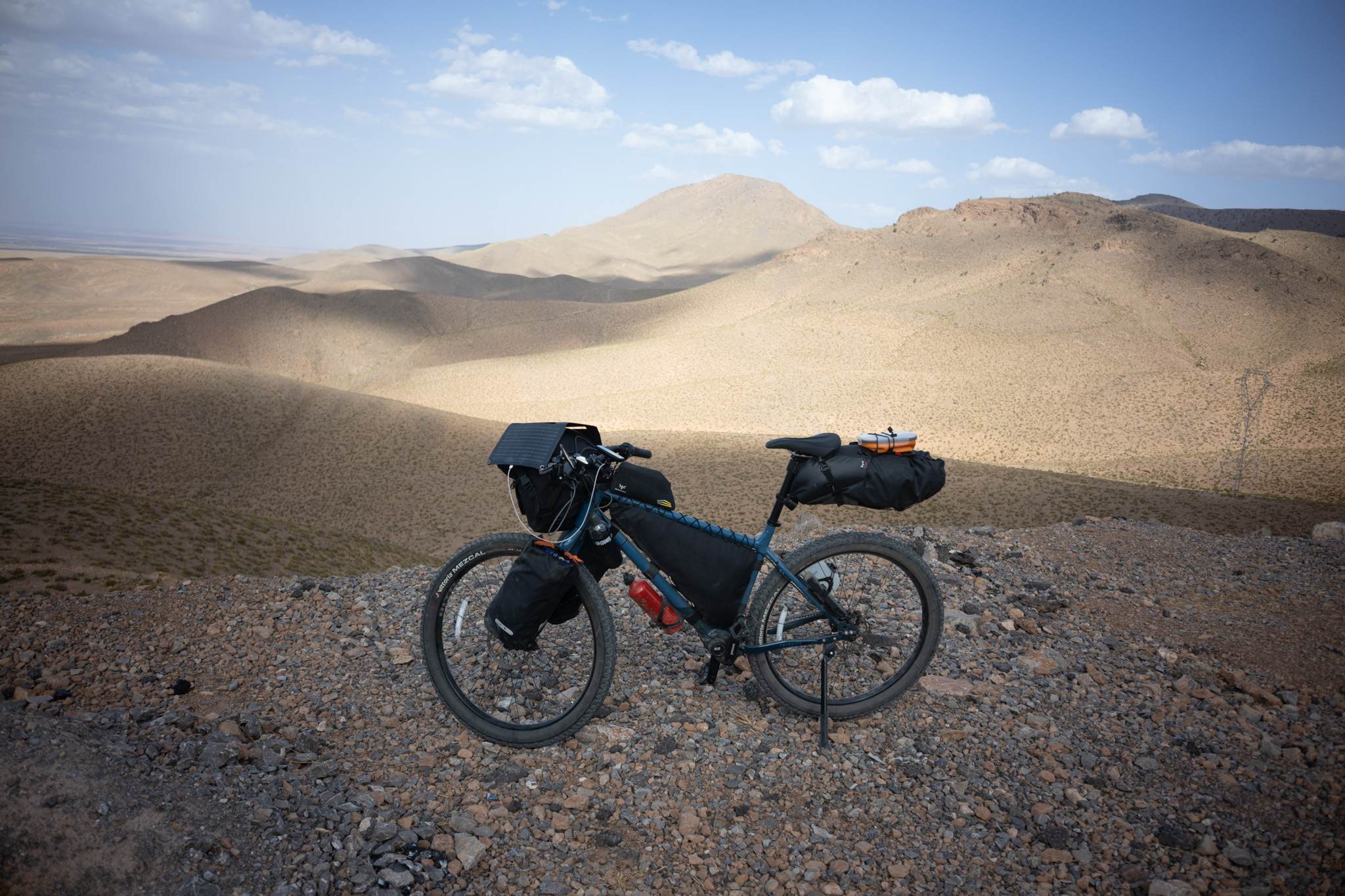
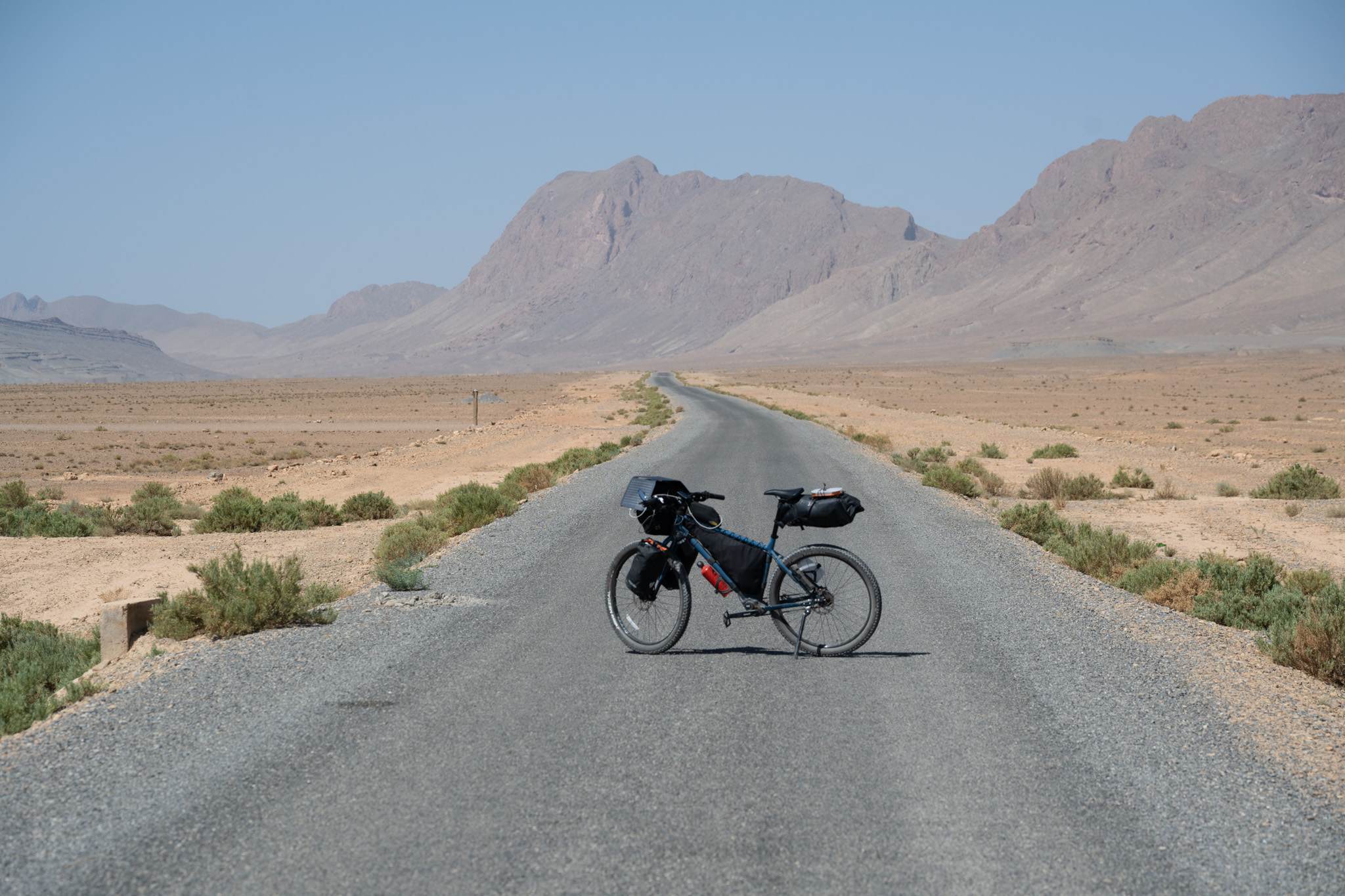
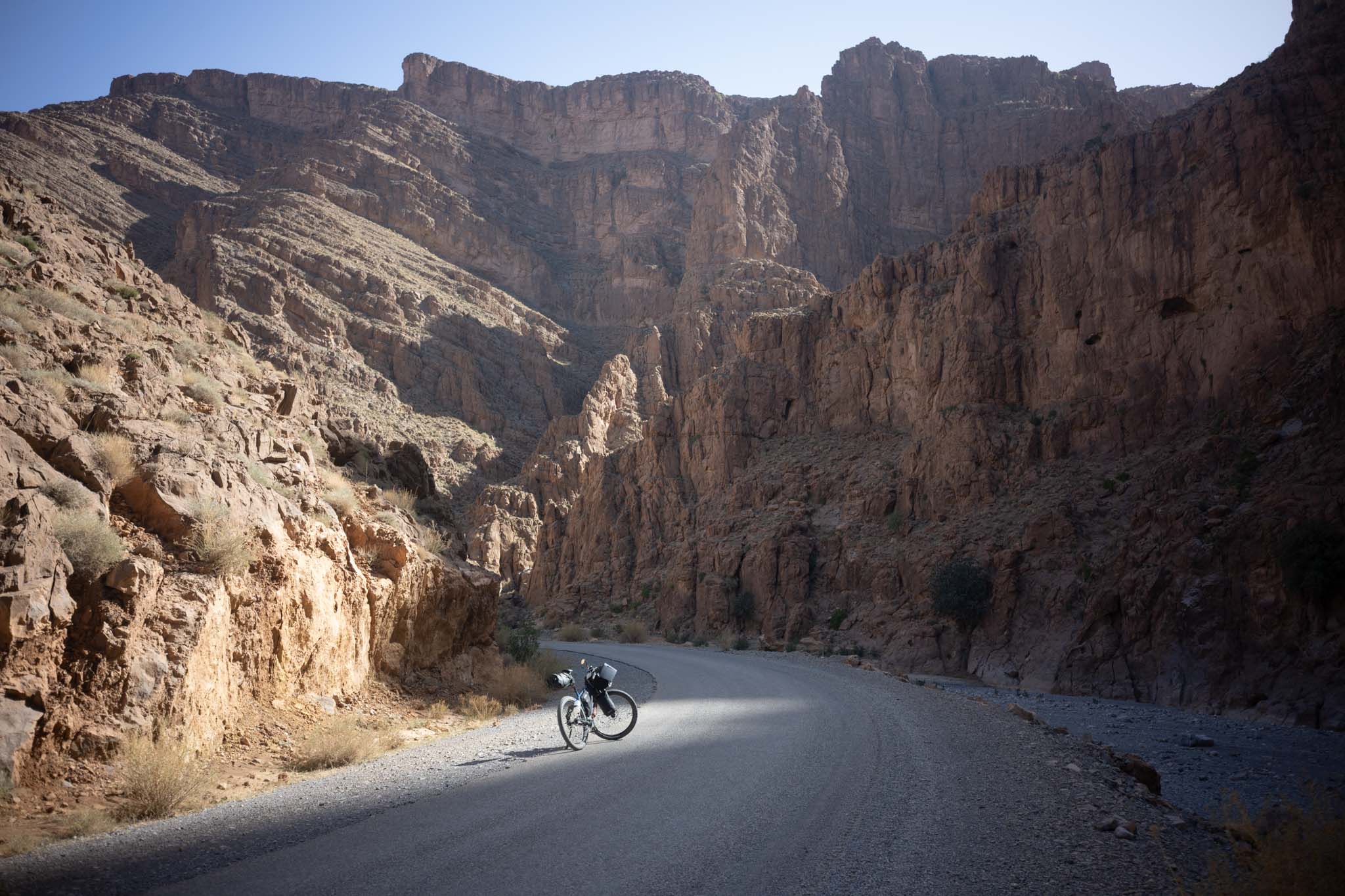
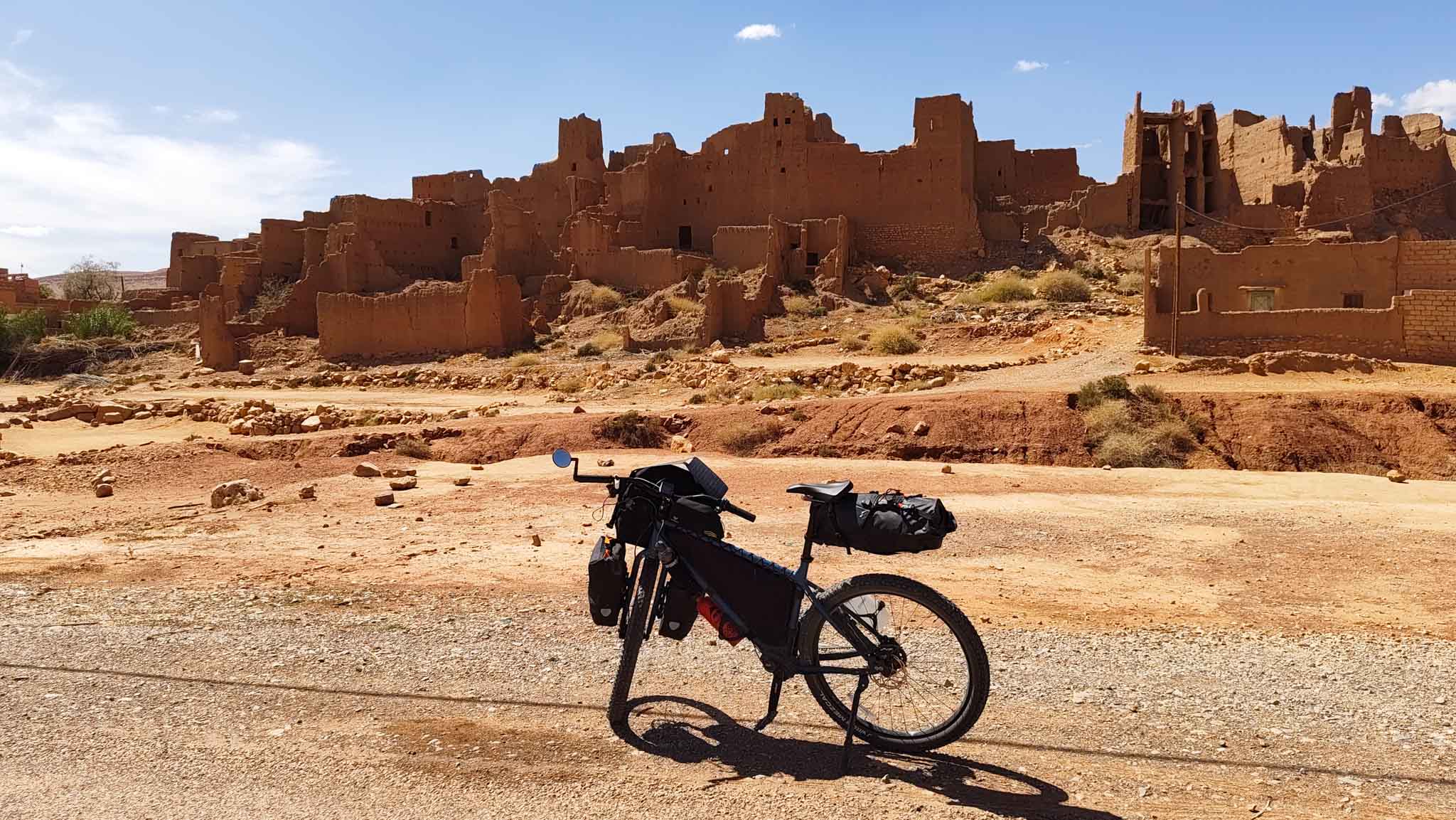
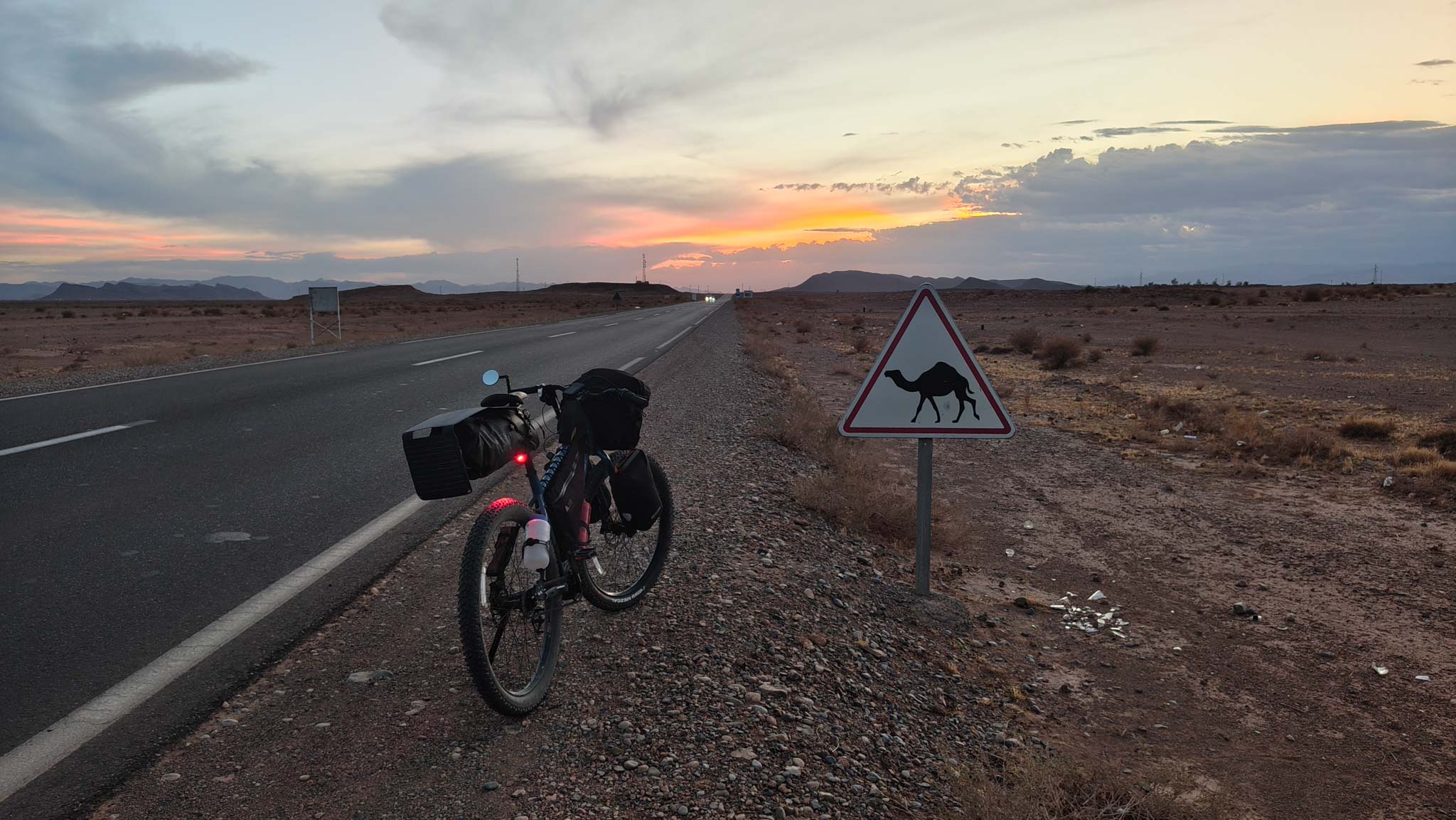
There are two main ways people bike through Morocco: along the coast or through the mountains. Since I wanted to see more Amazigh culture and avoid hectic cities, I decided to go through the mountains. I was happy with my decision, but the mountains of Morocco were no joke. Often I’d have to climb a few thousand meters of elevation. Although it wasn’t summer, I was dripping with sweat while climbing up those hills.
Tetouan is a city known for its Hispanic-Moorish culture due to a large number of Andalusian refugees fleeing Spain.
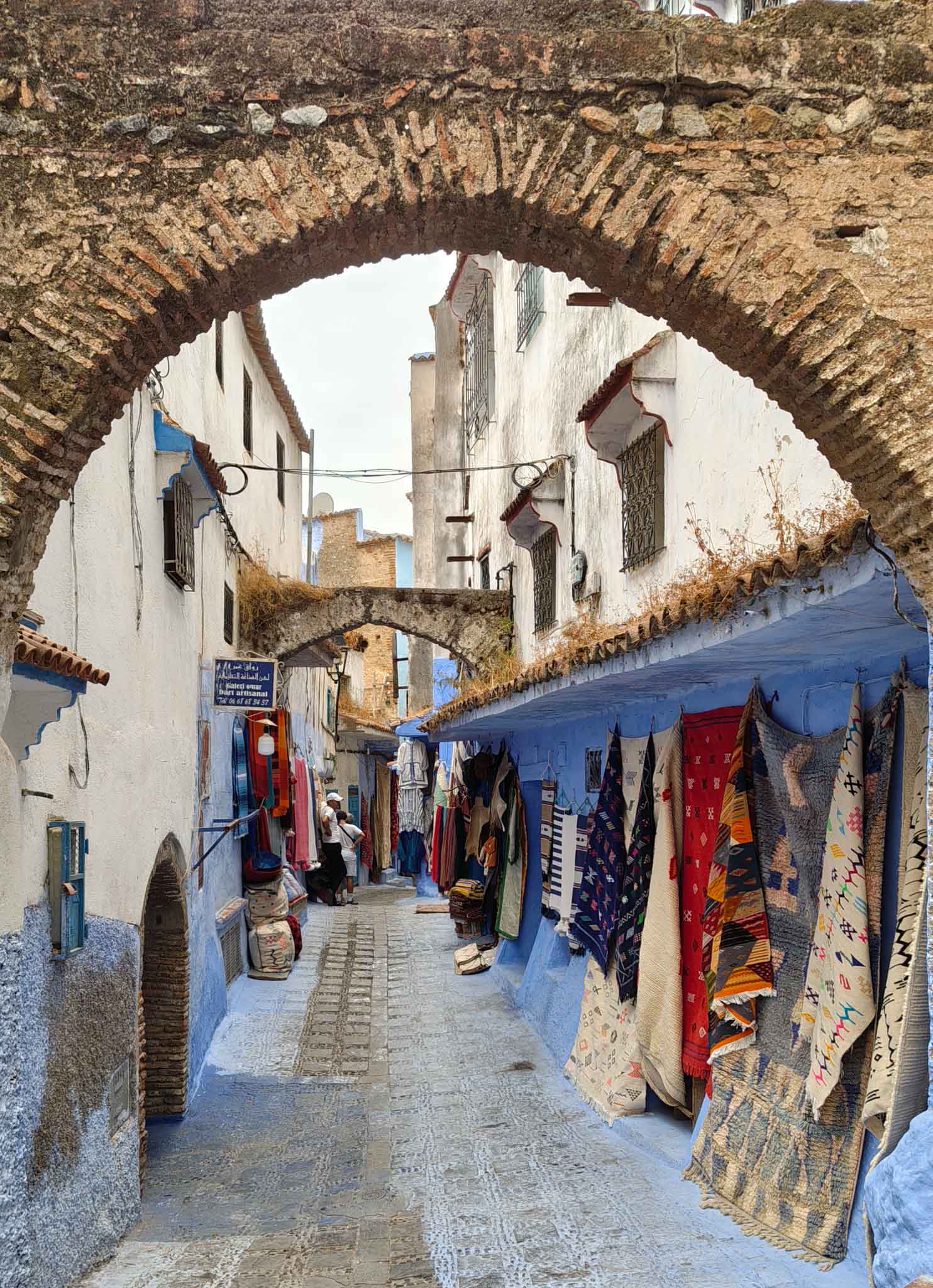
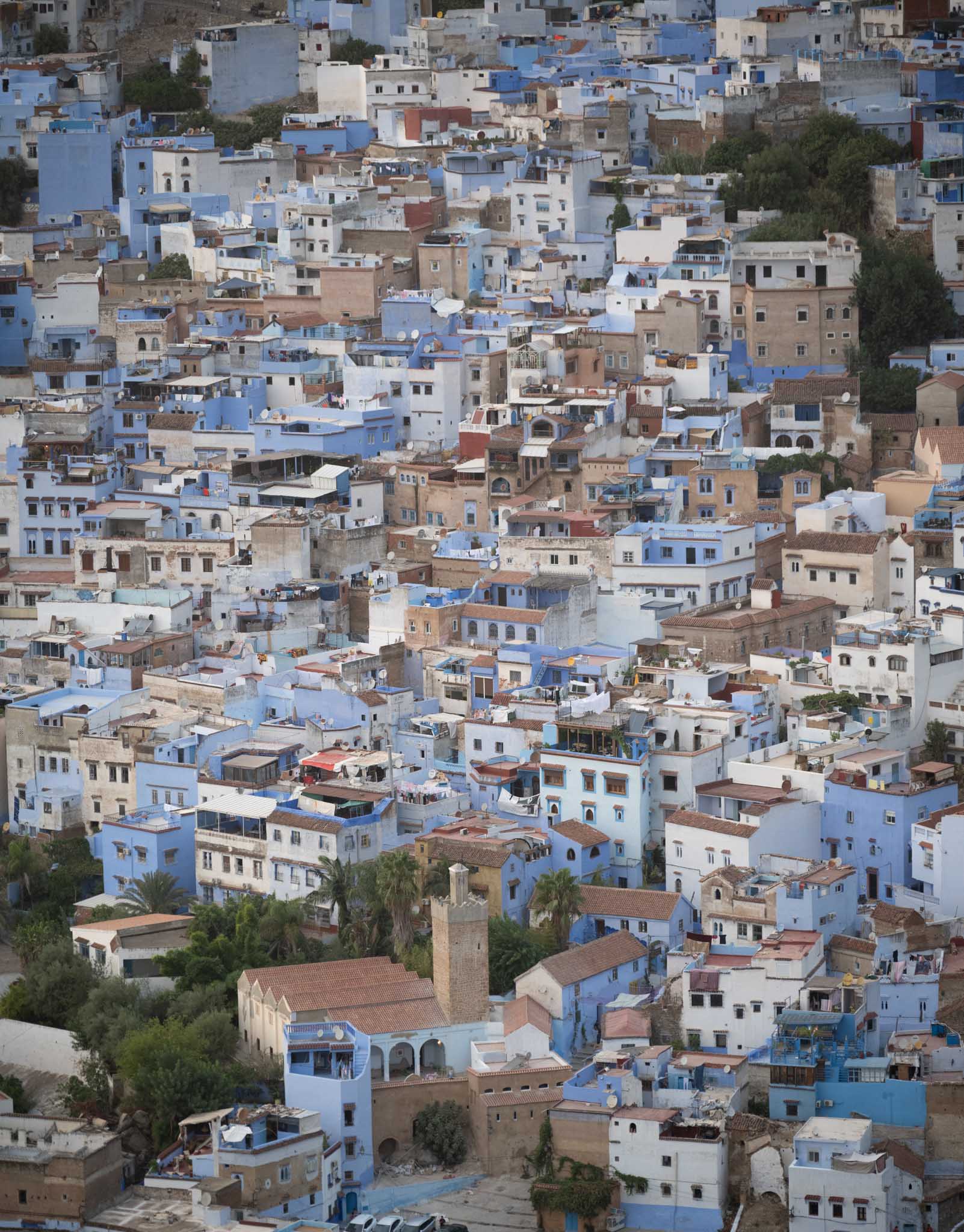
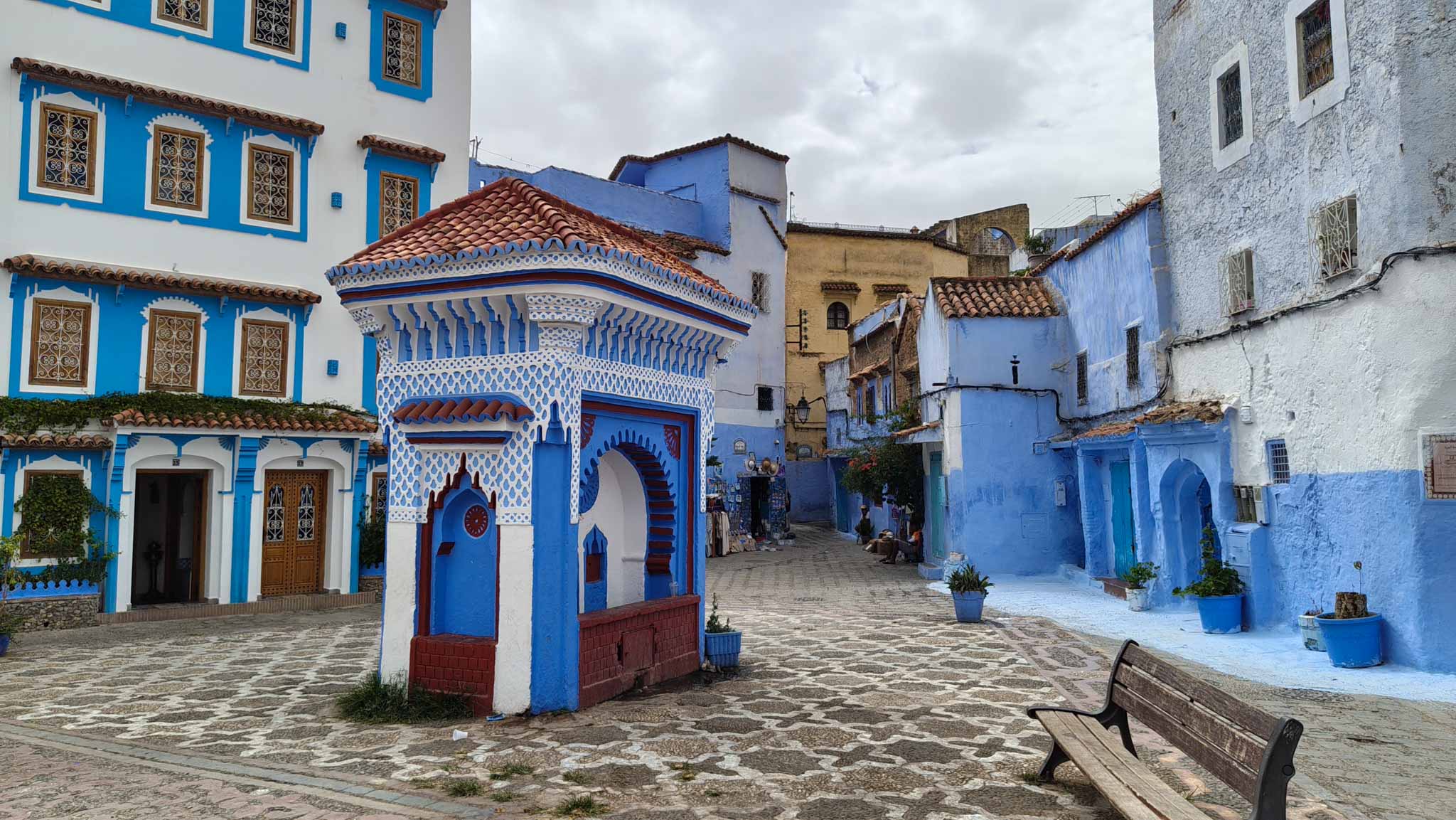
Chefchaouen is on a hill, and the road there was so steep I pushed my bike up for 3km. It’s a popular tourist destination, so I definitely got a lot of weird looks from people in tour buses as they saw me on the side of the road drenched in sweat, pushing my bike up the hill. Finally arriving in the blue city was quite rewarding, and I found a good Chinese restaurant to celebrate.
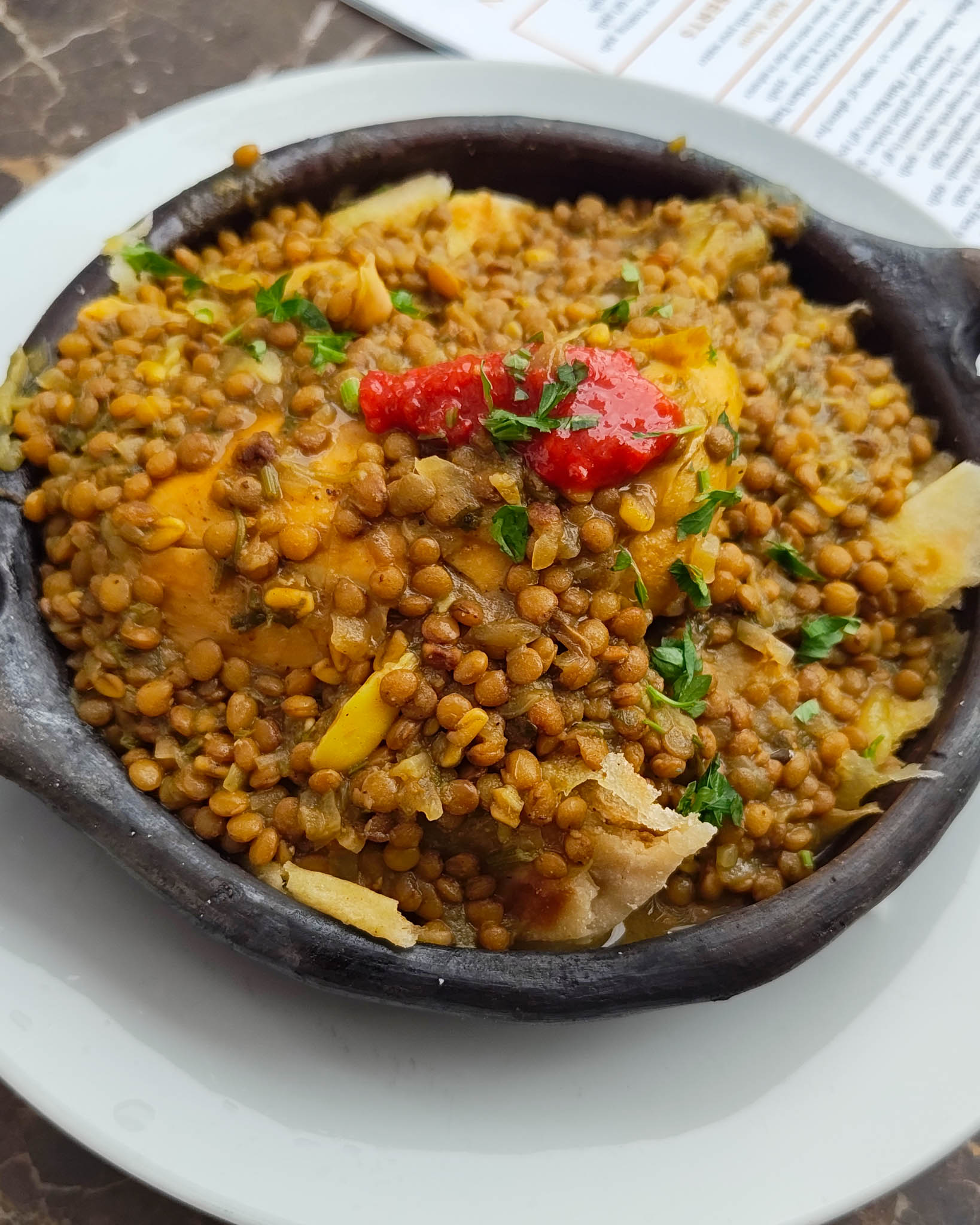
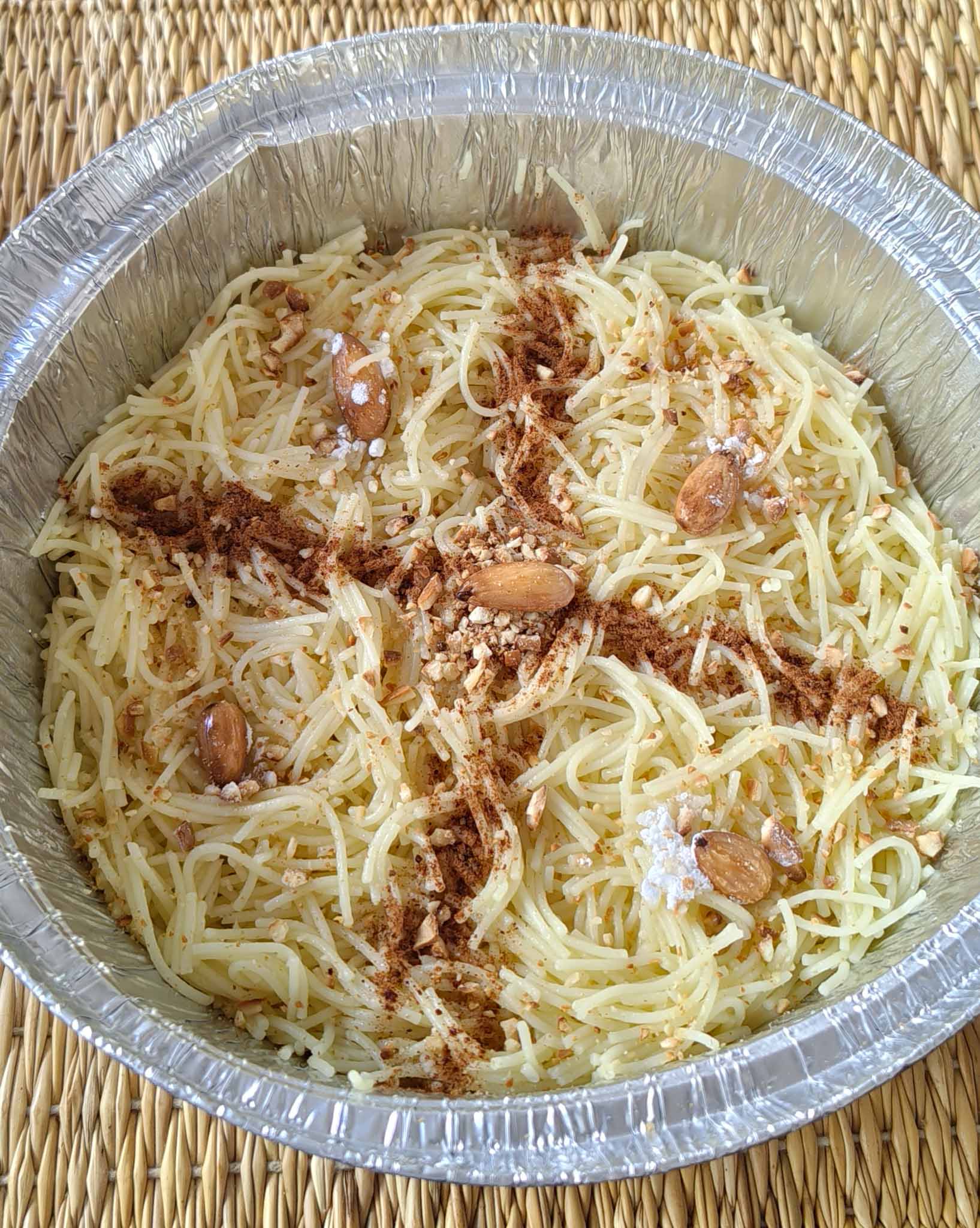
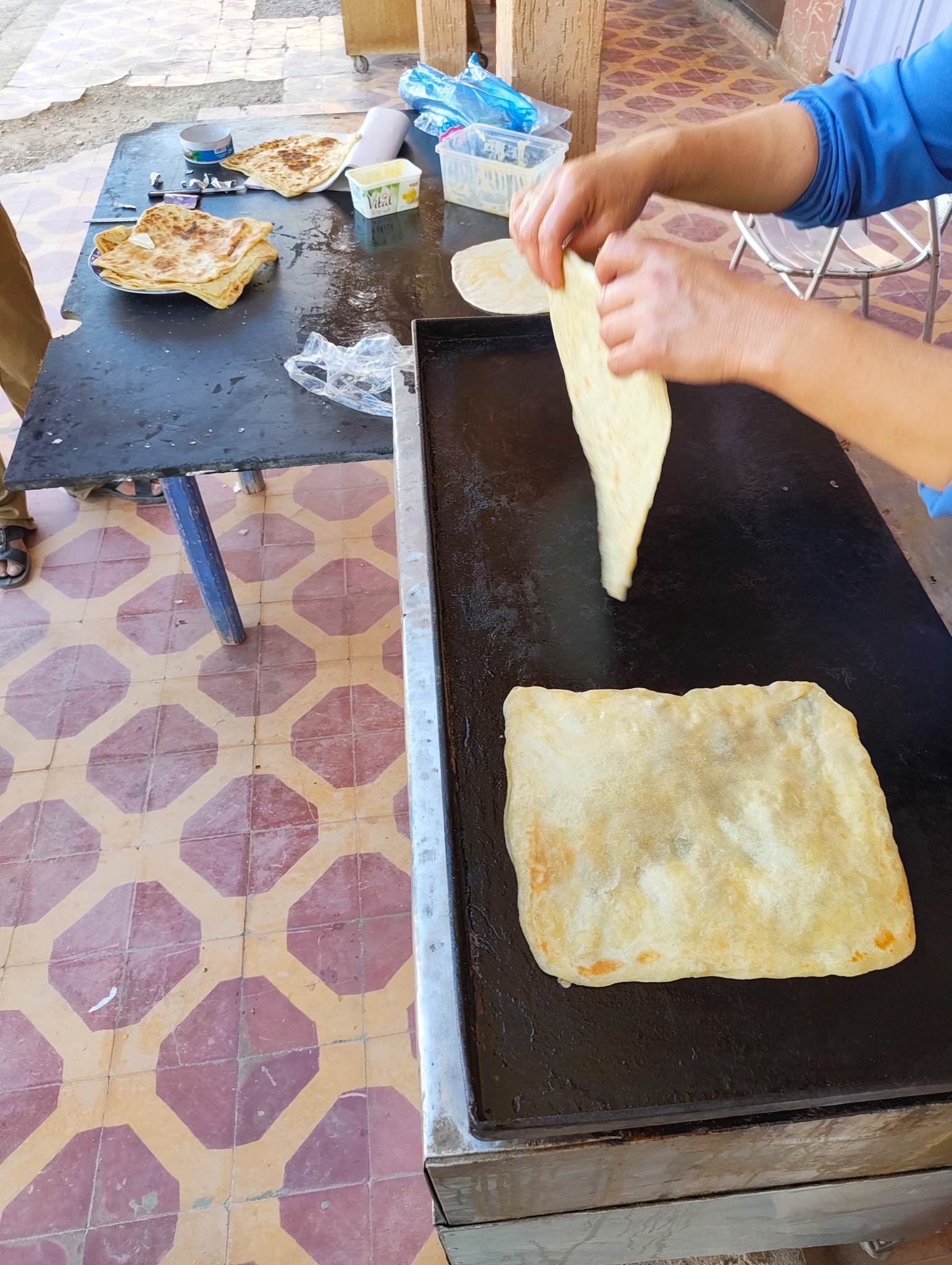
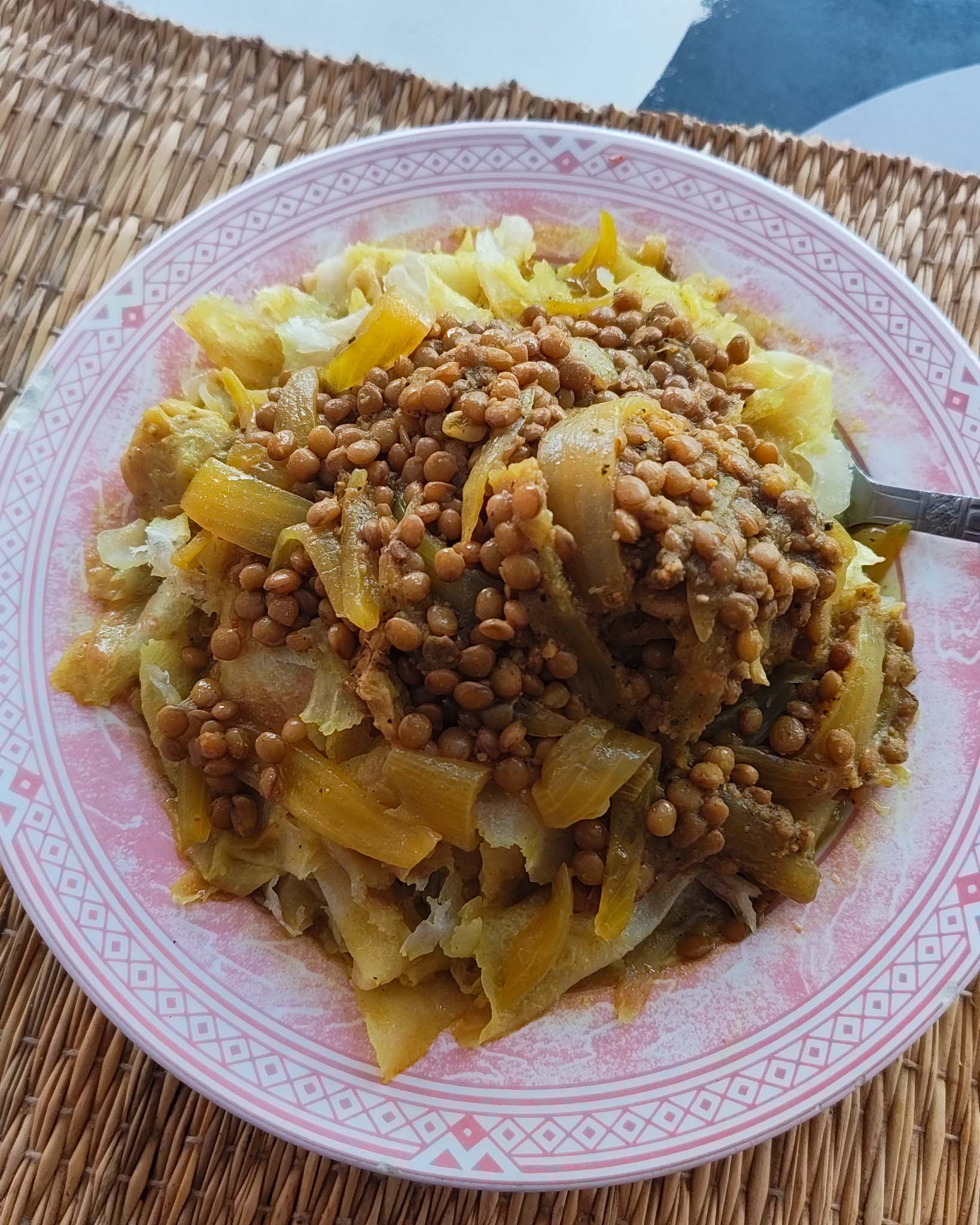
I made a few friends in the hostel I was staying in and we did a short hike on a hill overlooking the city. I tried this dish called Rfissa, made with shredded msemen (flatbread) topped with lentils, chicken, and spices. One of my favorite dishes of the trip.
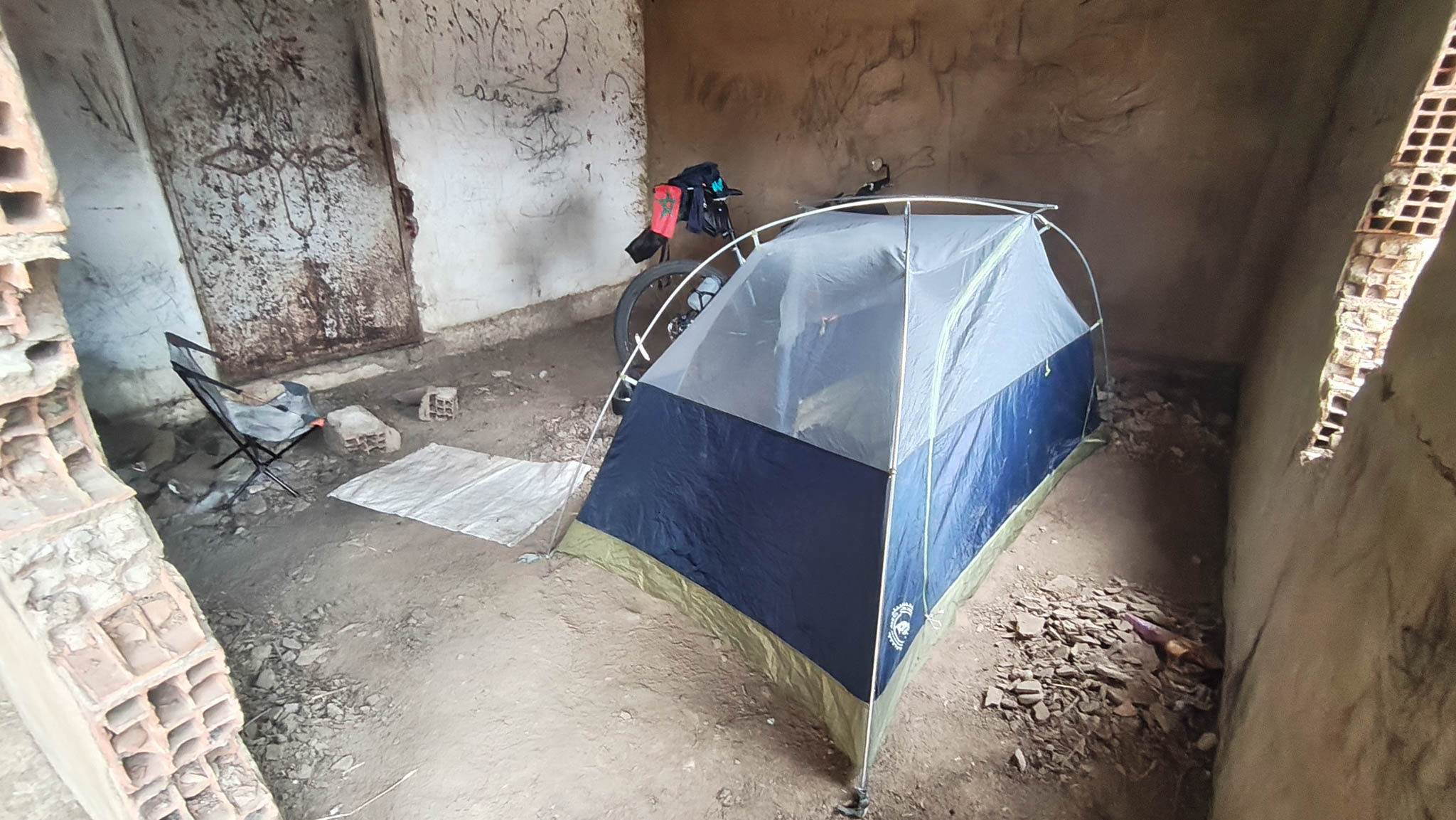
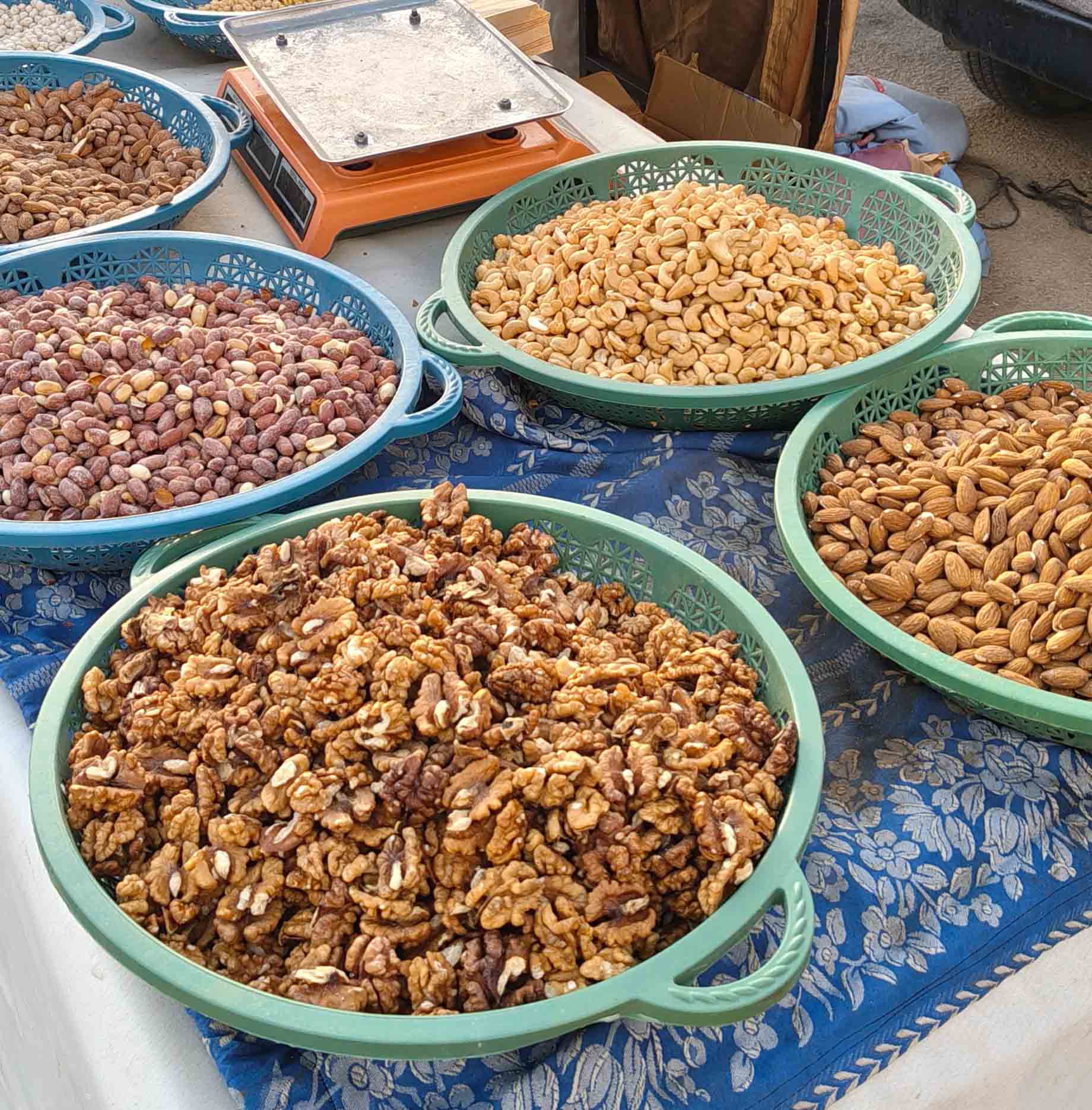
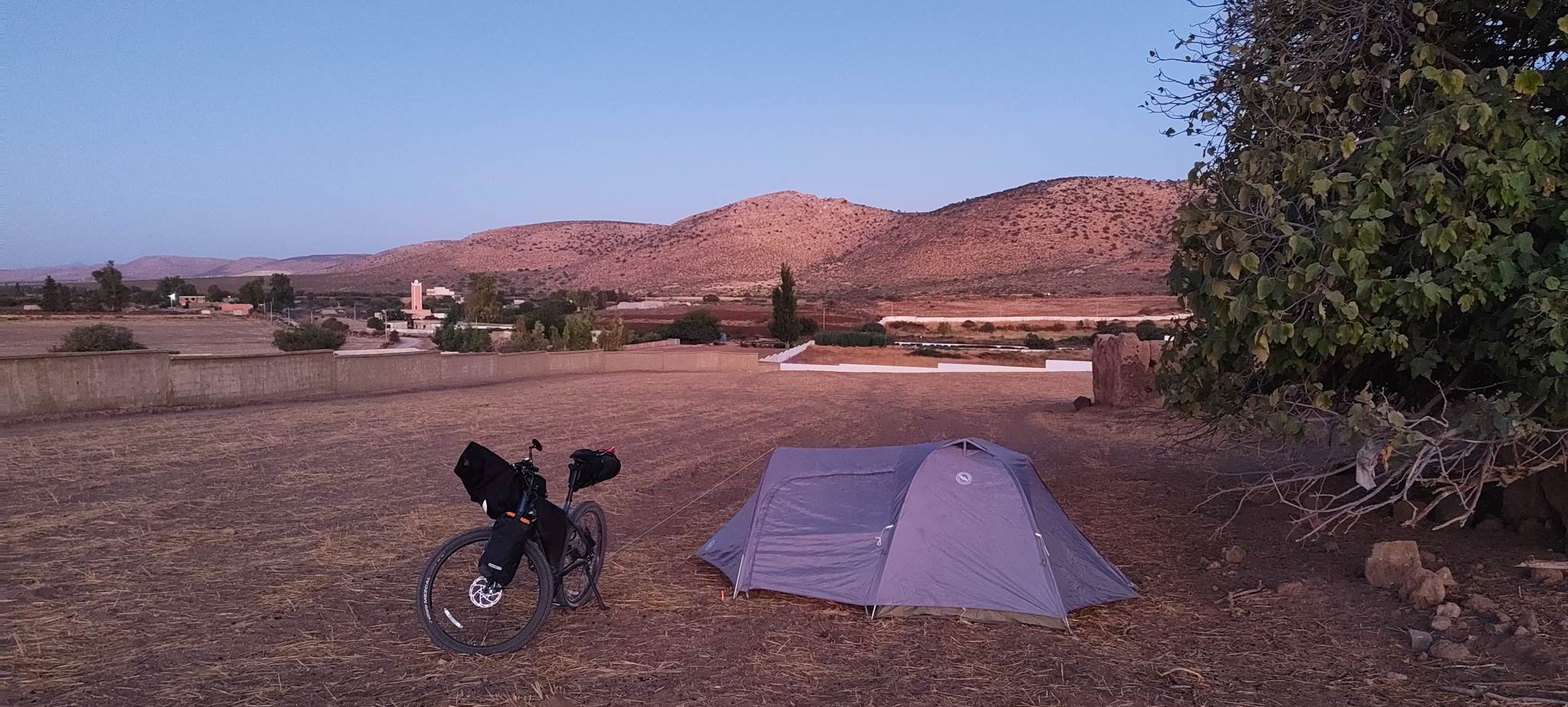
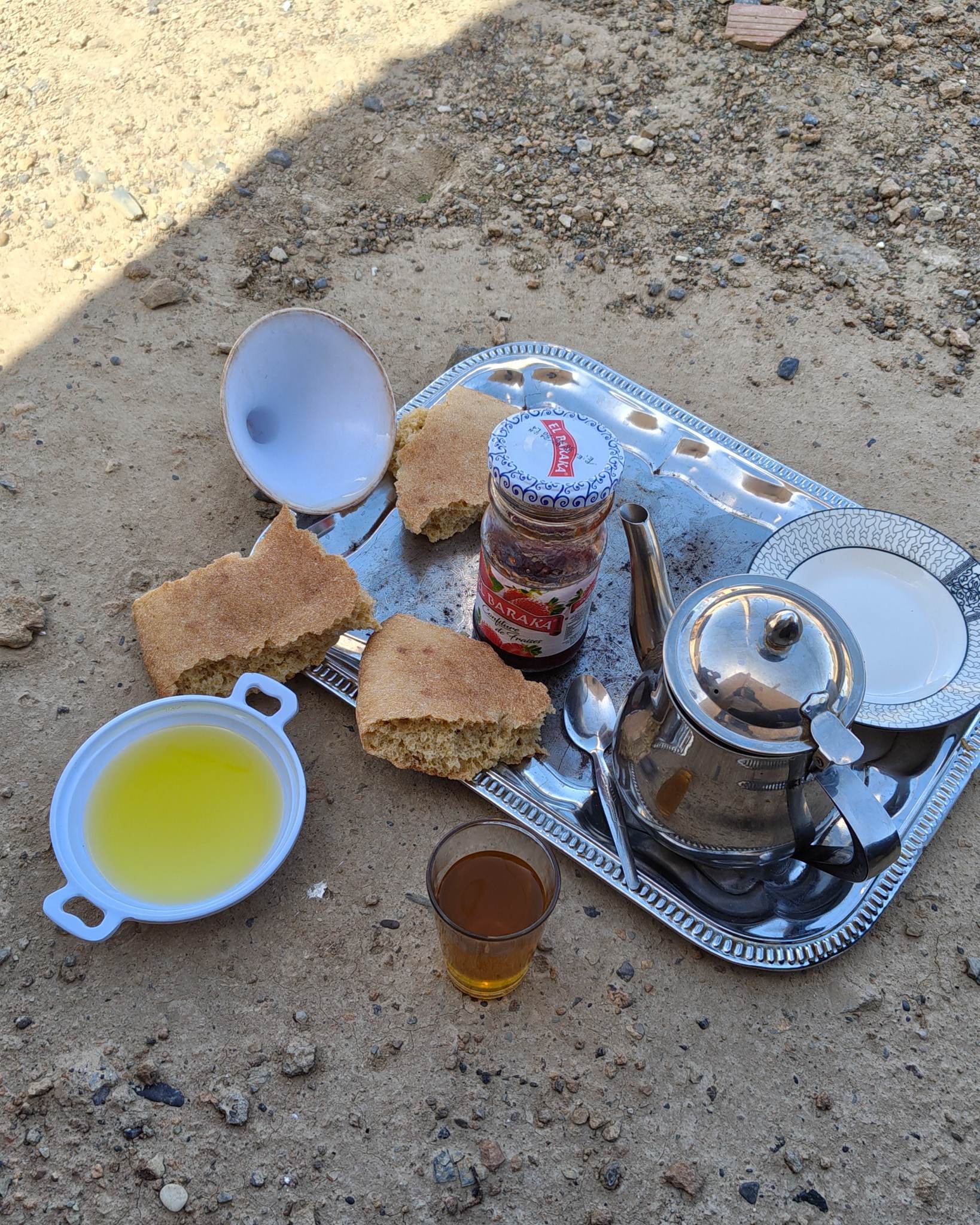
One night it was getting dark and I was trying to find a place to pitch my tent. I saw a farmer watering his plants and asked if I could stay behind a small abandoned building on his land. He quickly said yes and showed me a place inside the building I could set it up. Later that night, he brought a huge platter full of almonds, olive oil, bread, and of course tea. He was a strawberry farmer and made a living selling strawberries to Europe. He told me “We were created to learn. You learn from me, and I learn from you”. This stuck with me the entire trip.
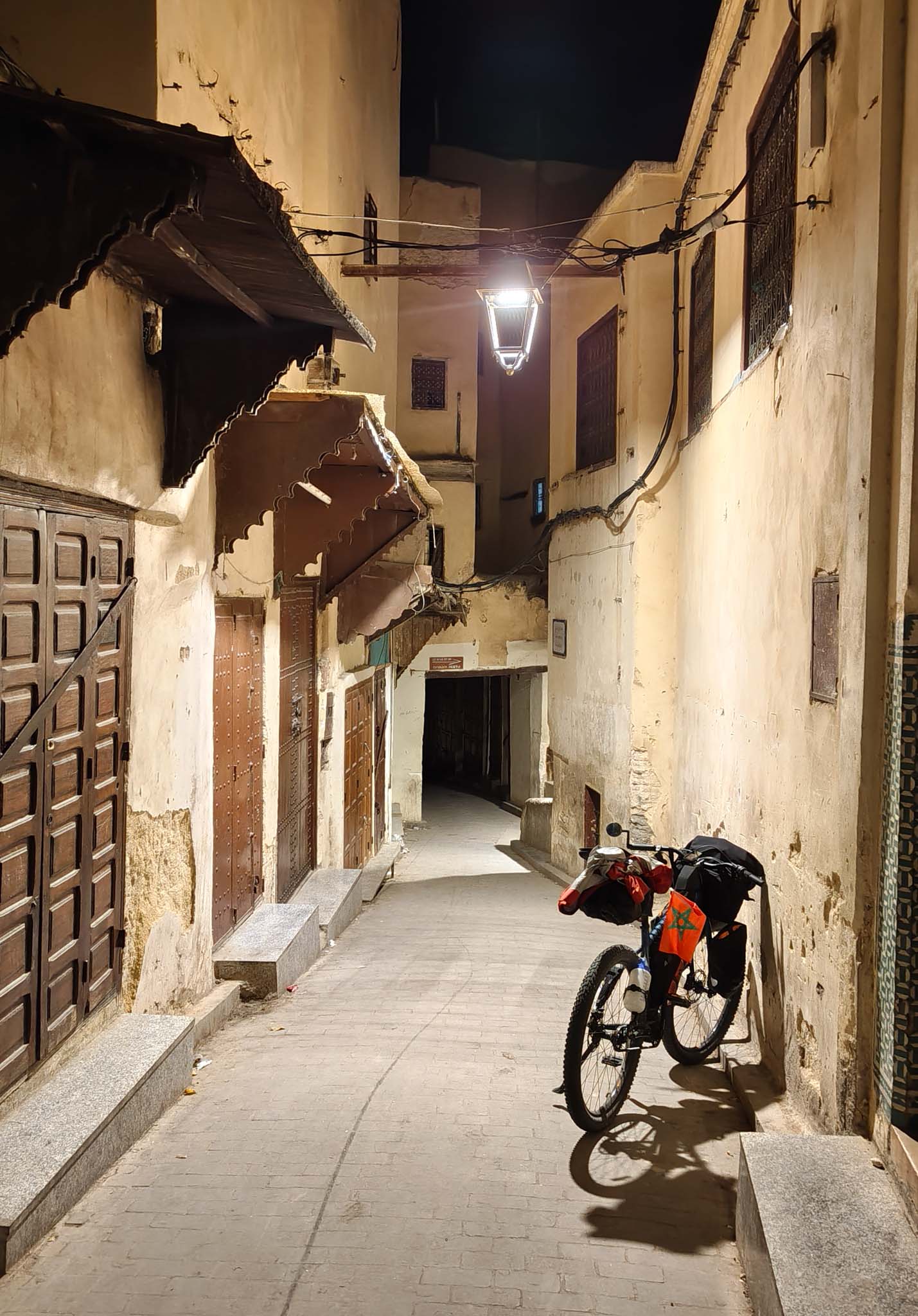
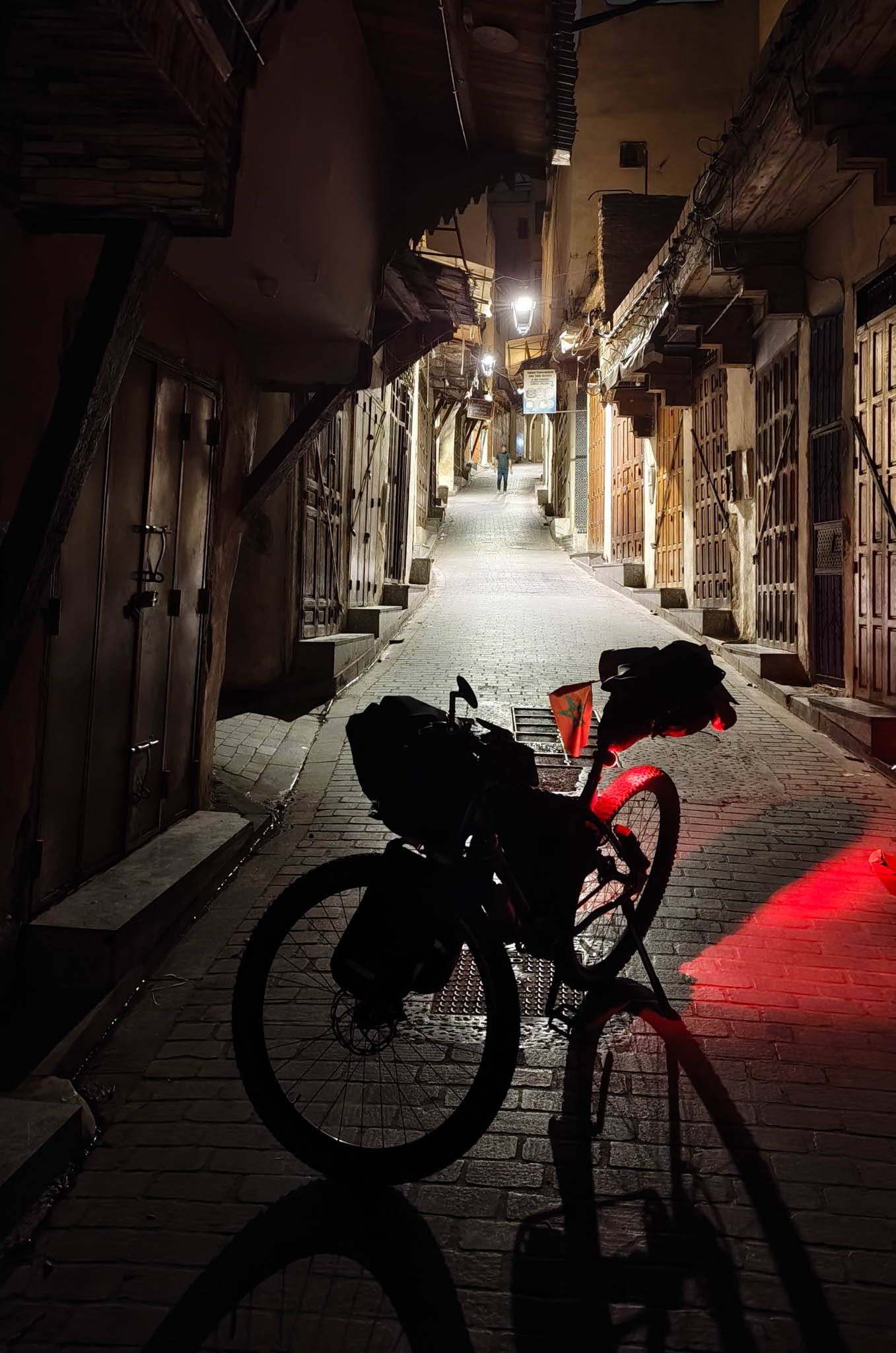
I made the last 10km to Fes in the dark. It definitely wasn’t ideal. It was pitch black, and I was forced to walk my bike to avoid anything on the road that I would be too slow to react to without light. After pushing my bike for a few kilometers, I was finally welcomed by the floodlights on the streets of Fes. The medina was confusing and it took me a while to squeeze my bike through the tiny alleys but I made it to my accommodation and slept well.
Having been to Fes on a previous trip, I decided to make my way south the next morning.
The Atlas Mountains
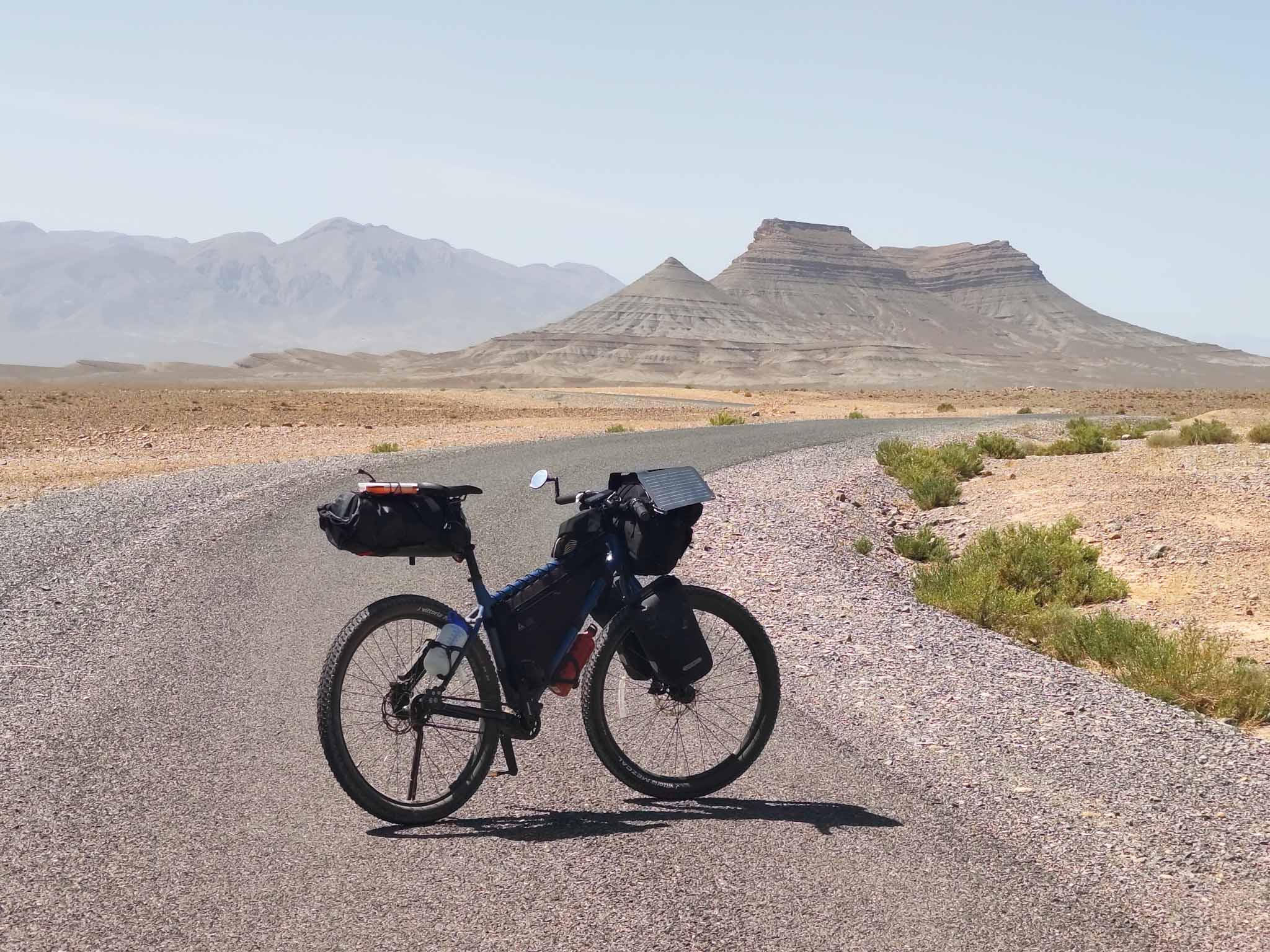
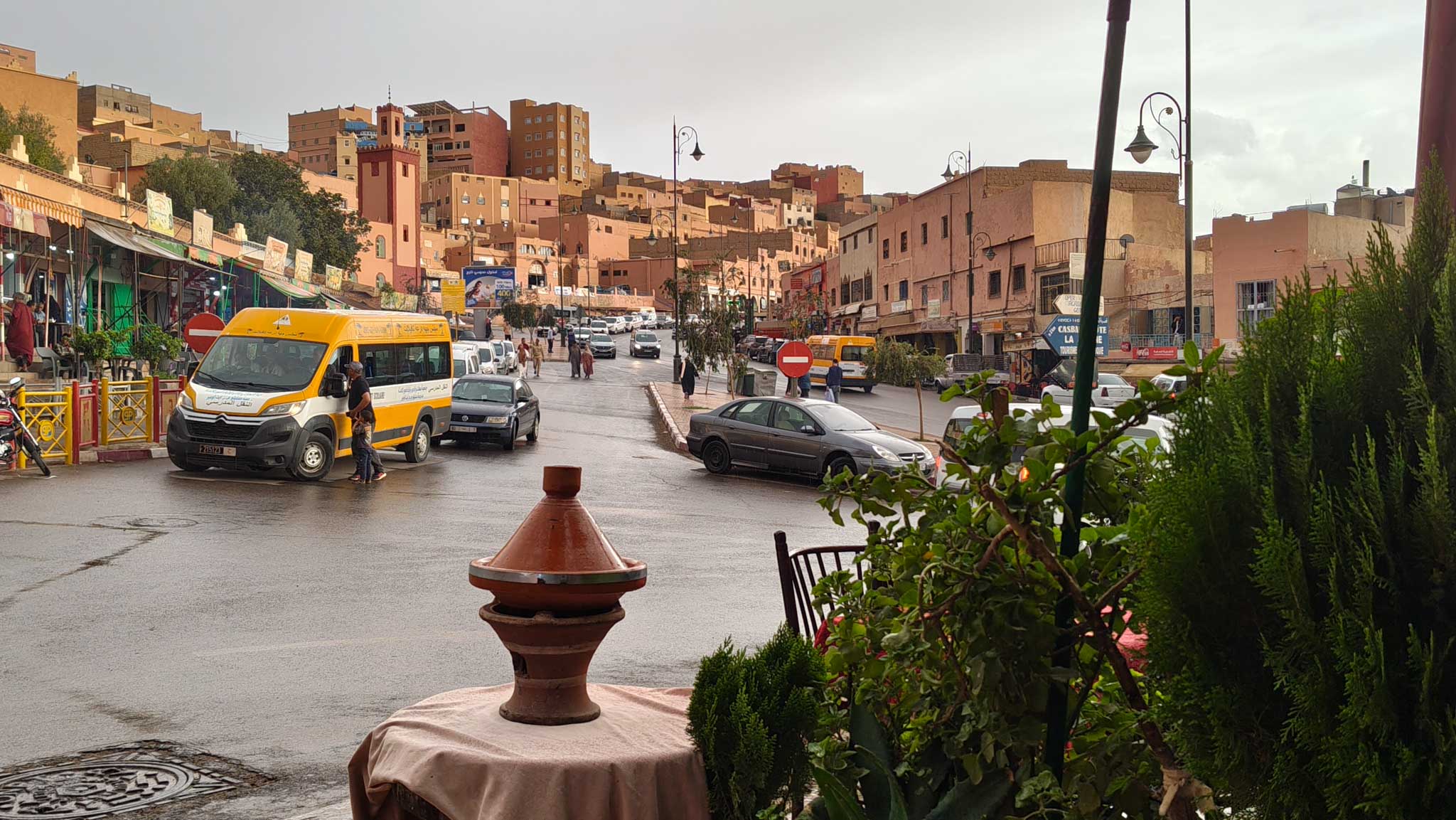
Beyond Fes is where settlements got more sparse. First, I made my way to Ifrane, known for being a mountain town with European architecture.
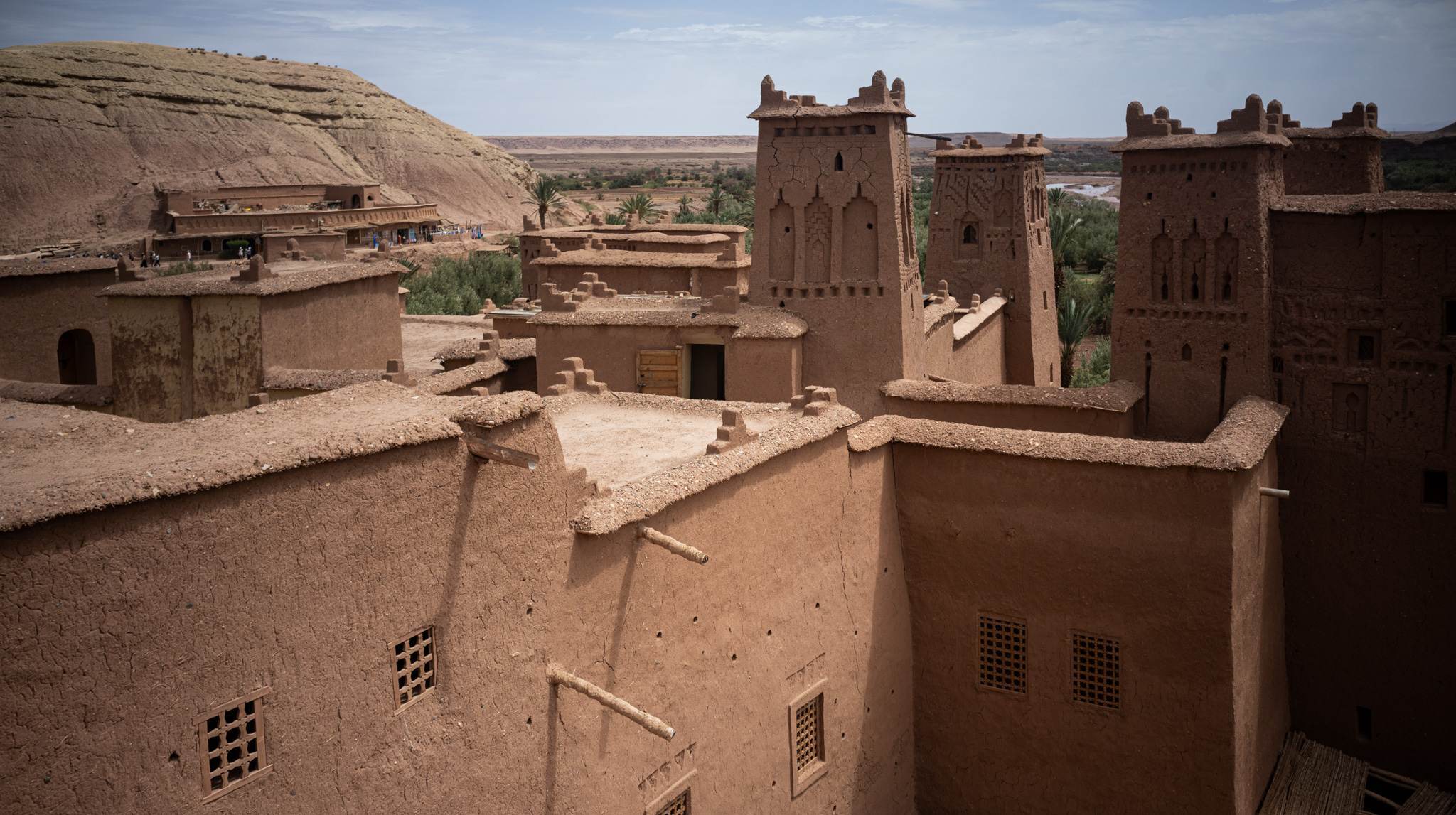
The indigenous ethnic group of Morocco, also known as Amazigh, live in towns and villages in the Atlas. There are around 30 million Amazigh people in Morocco, Algeria, Tunisia, and Libya. They have their own culture, language (Tamazight), and food, and predate the arrival of Arabs by a millennium.
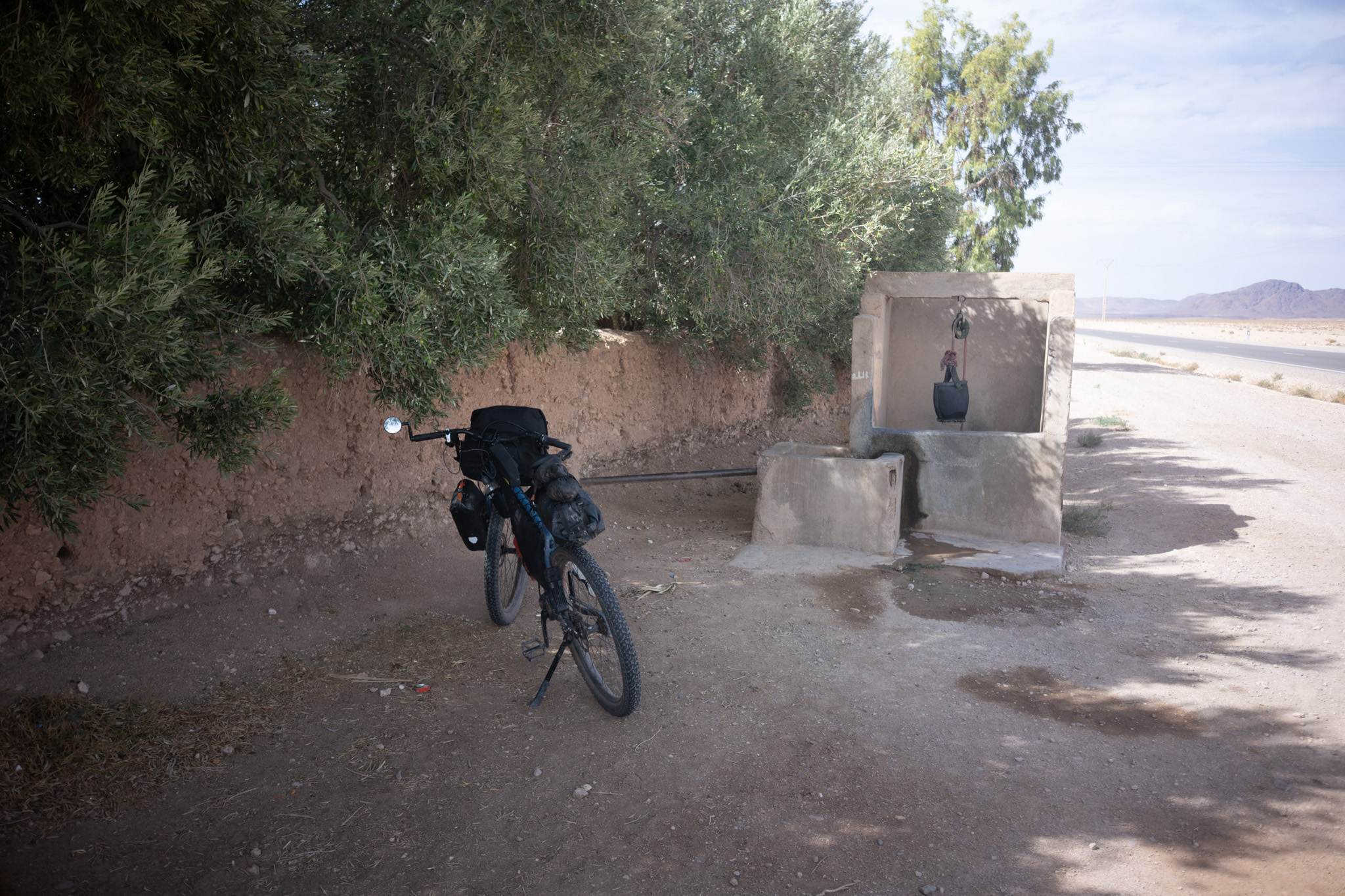
On the way I was in a village and asked an older man if there was anywhere I could find a well for water. Next thing I know, he gave me a bottle of cold water, along with almonds, bread, olive oil, and tea.
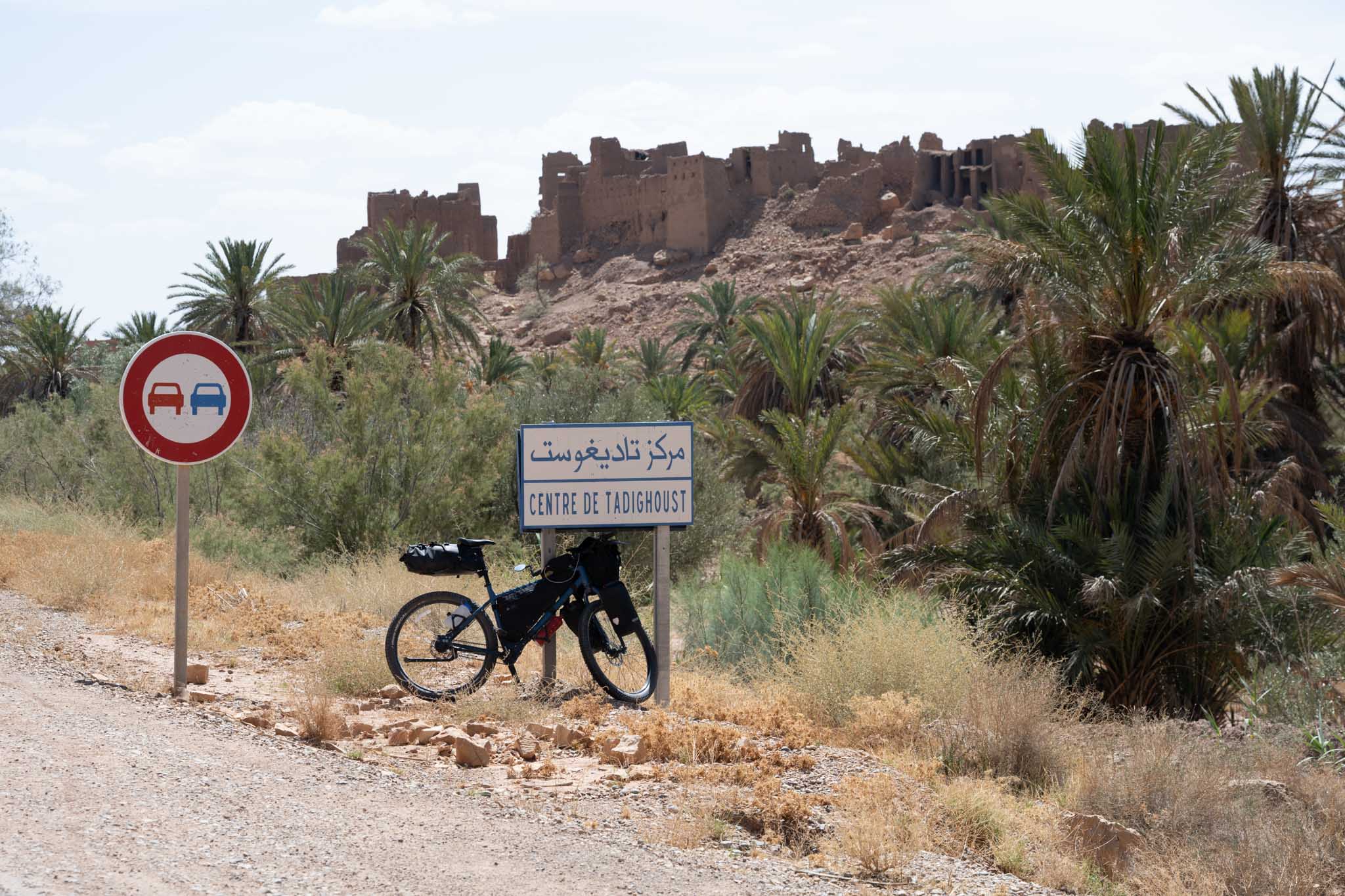
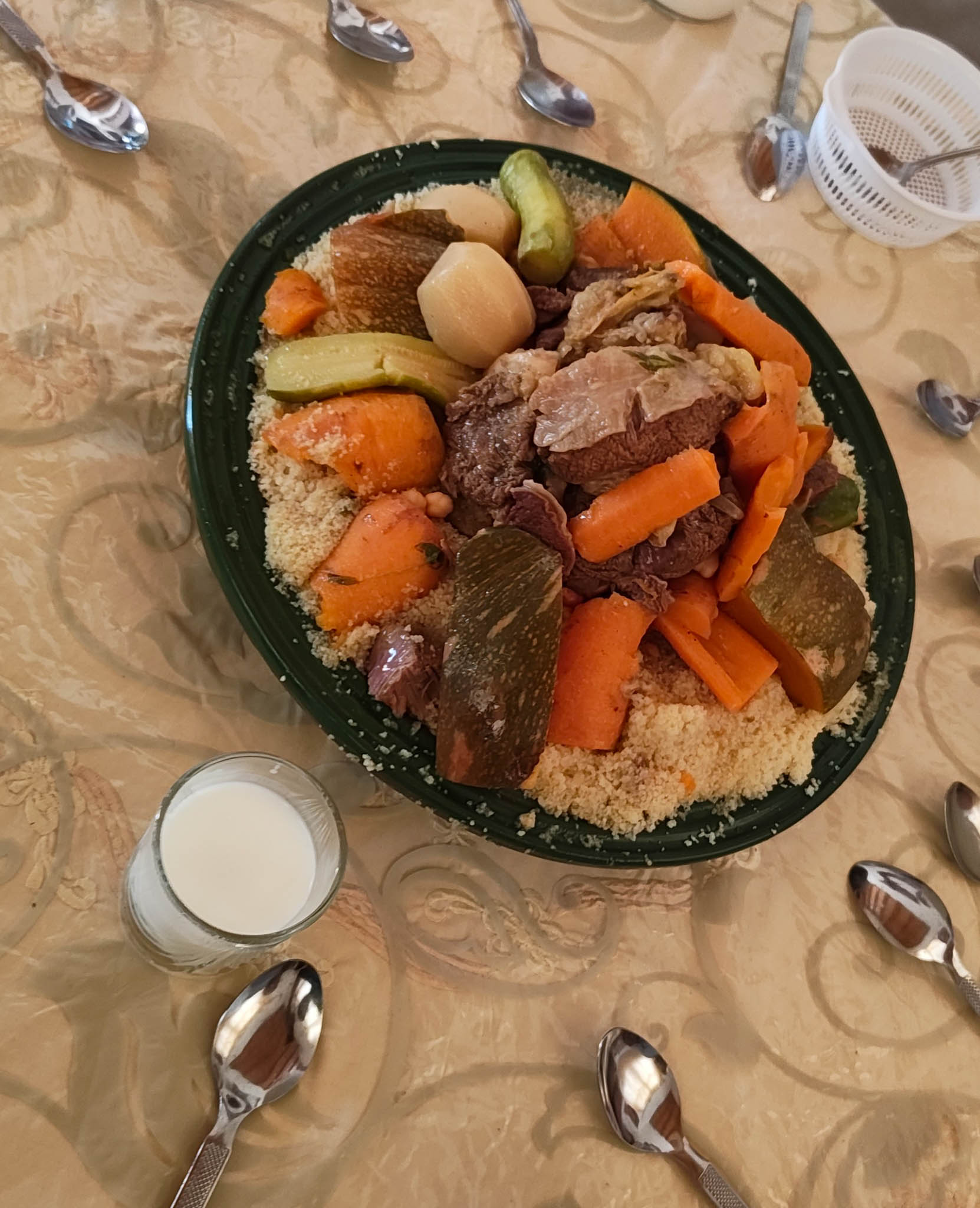
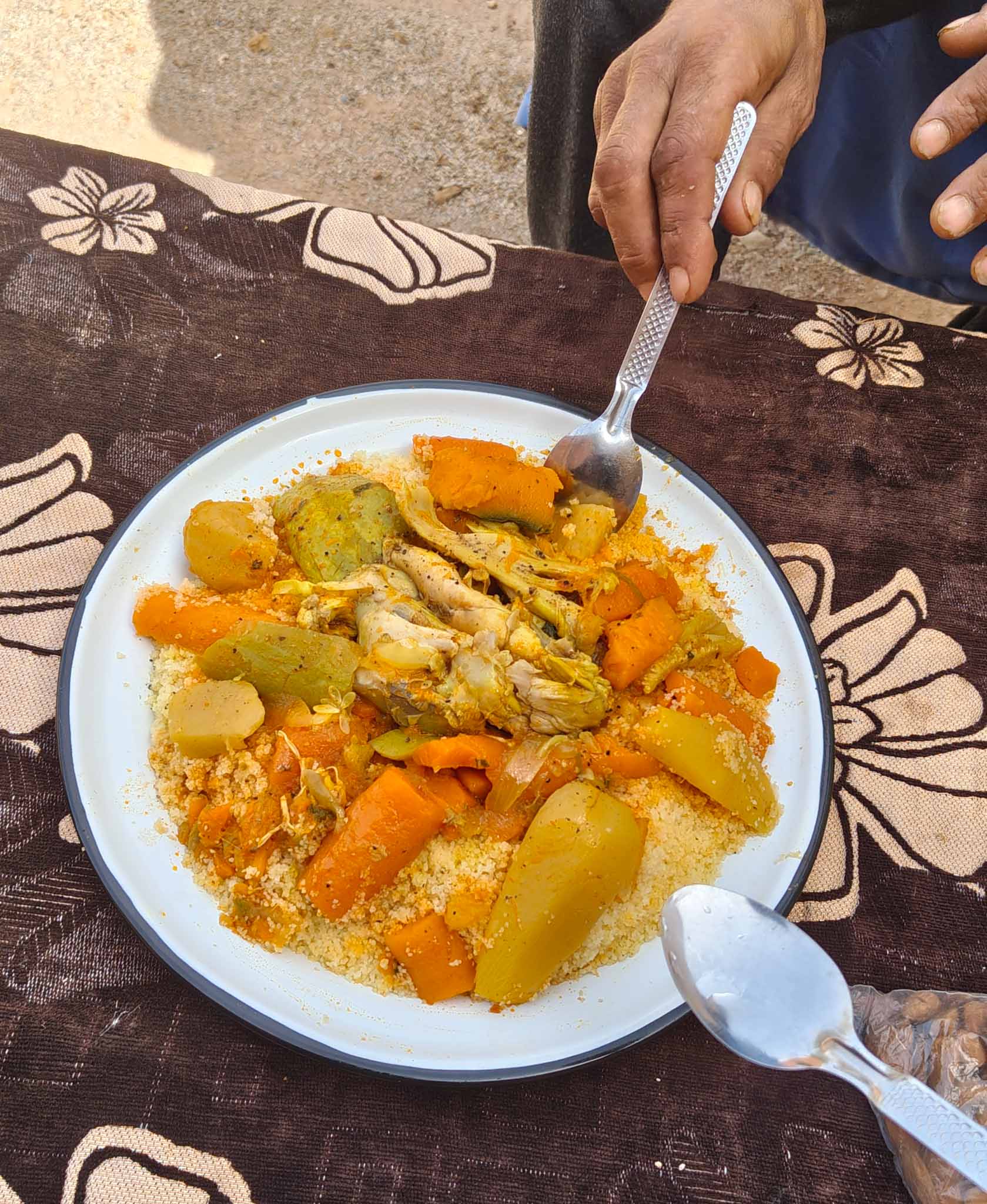
Another day, close to the town of Tadighoust, I met a family who invited me for a meal in their home. It was a large plate filled with couscous, lamb, and vegetables. The family lived in Casablanca but were Amazigh and had a vacation home in the Atlas mountains. The son also lived in Astoria (my neighborhood) for a few months!
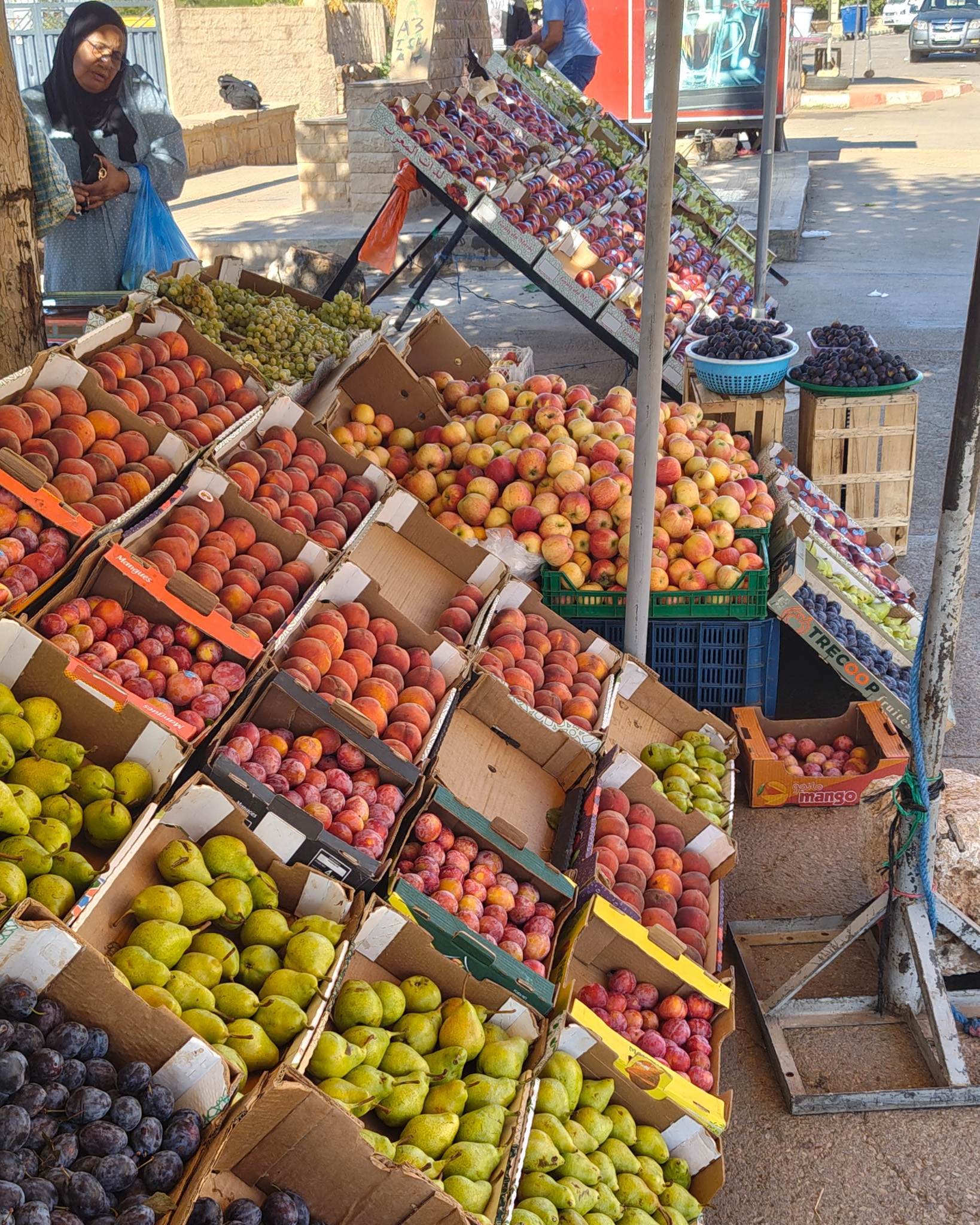
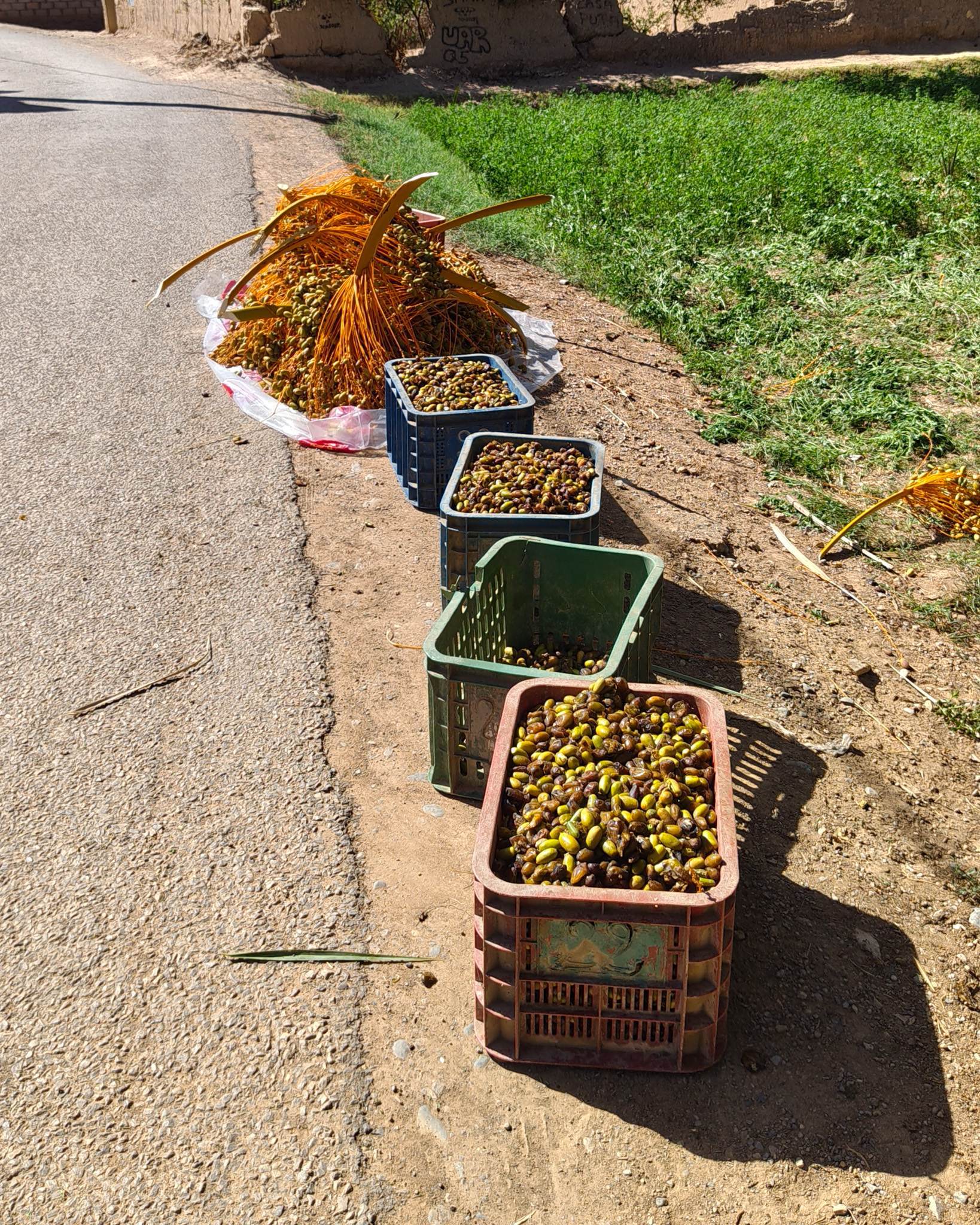
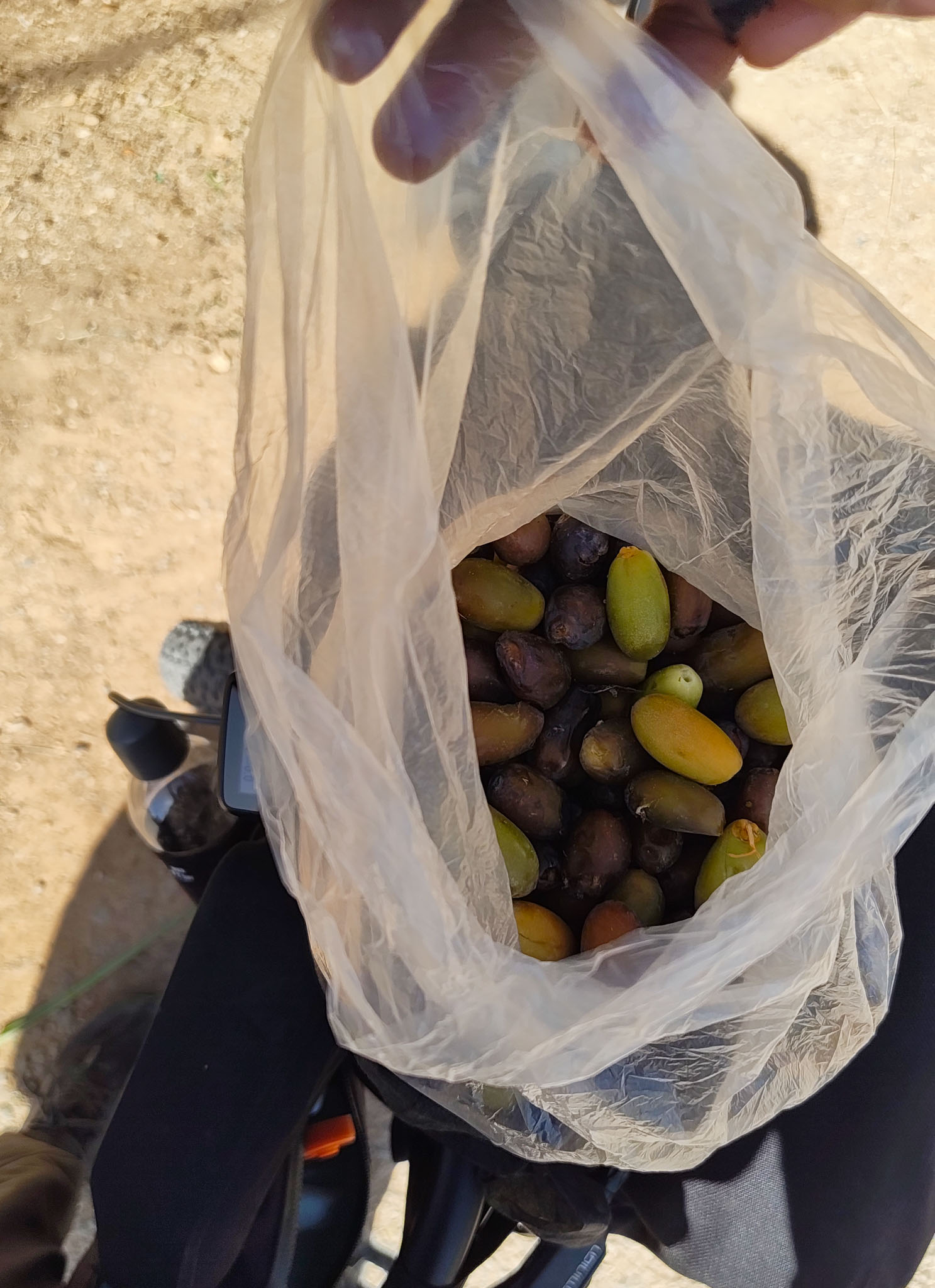
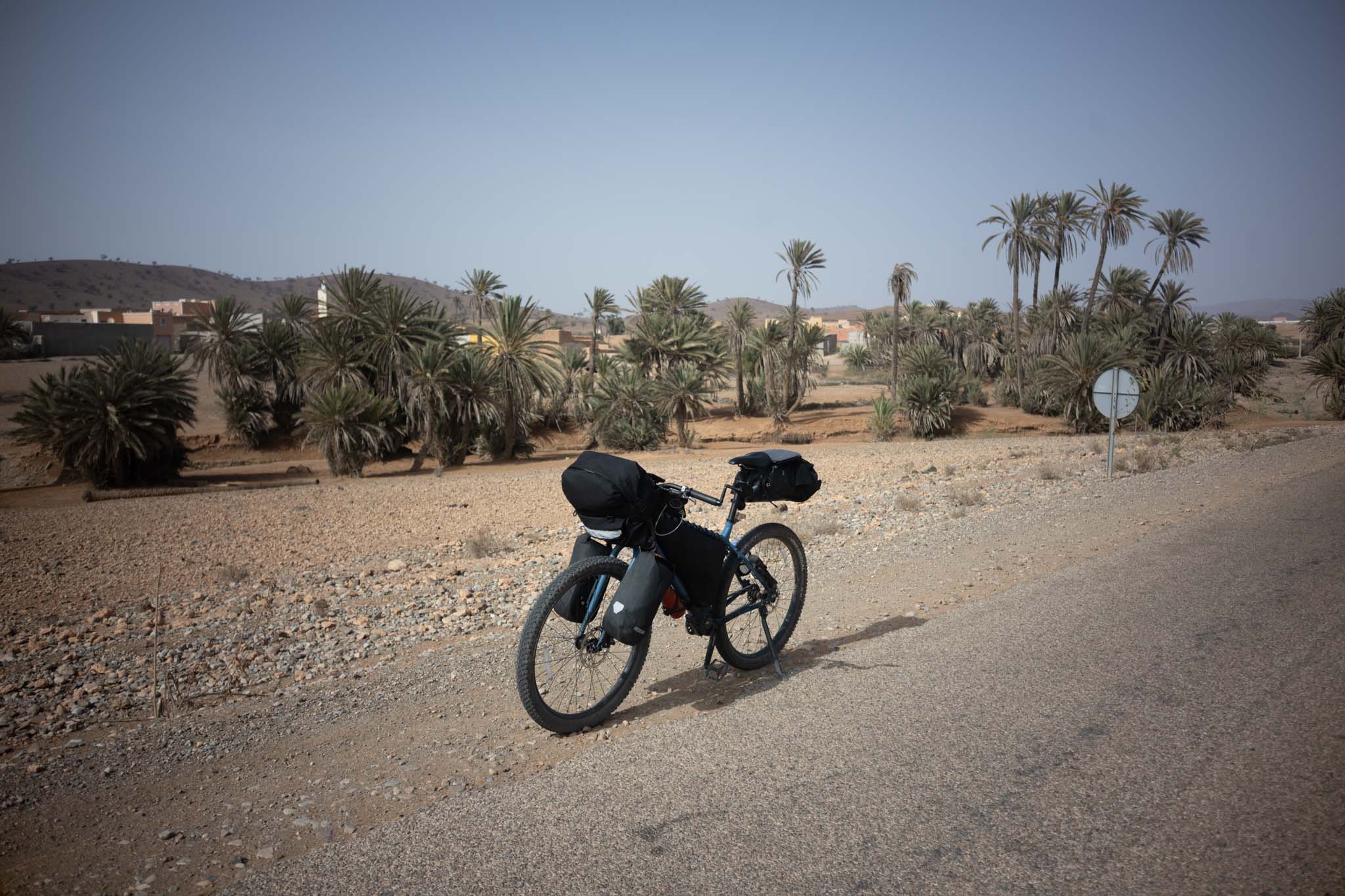
Later I went through some date palm plantations, and some workers gave me a huge bag full of dates that weighed at least a kilo. Dates are one of my favorite snacks on the road so I gratefully accepted. One of the workers asked me where I was from, and when I responded “Indian/Chinese” she responded with “Katrina Kaif!” which I found hilarious. A lot of people watched Indian movies here in Morocco.
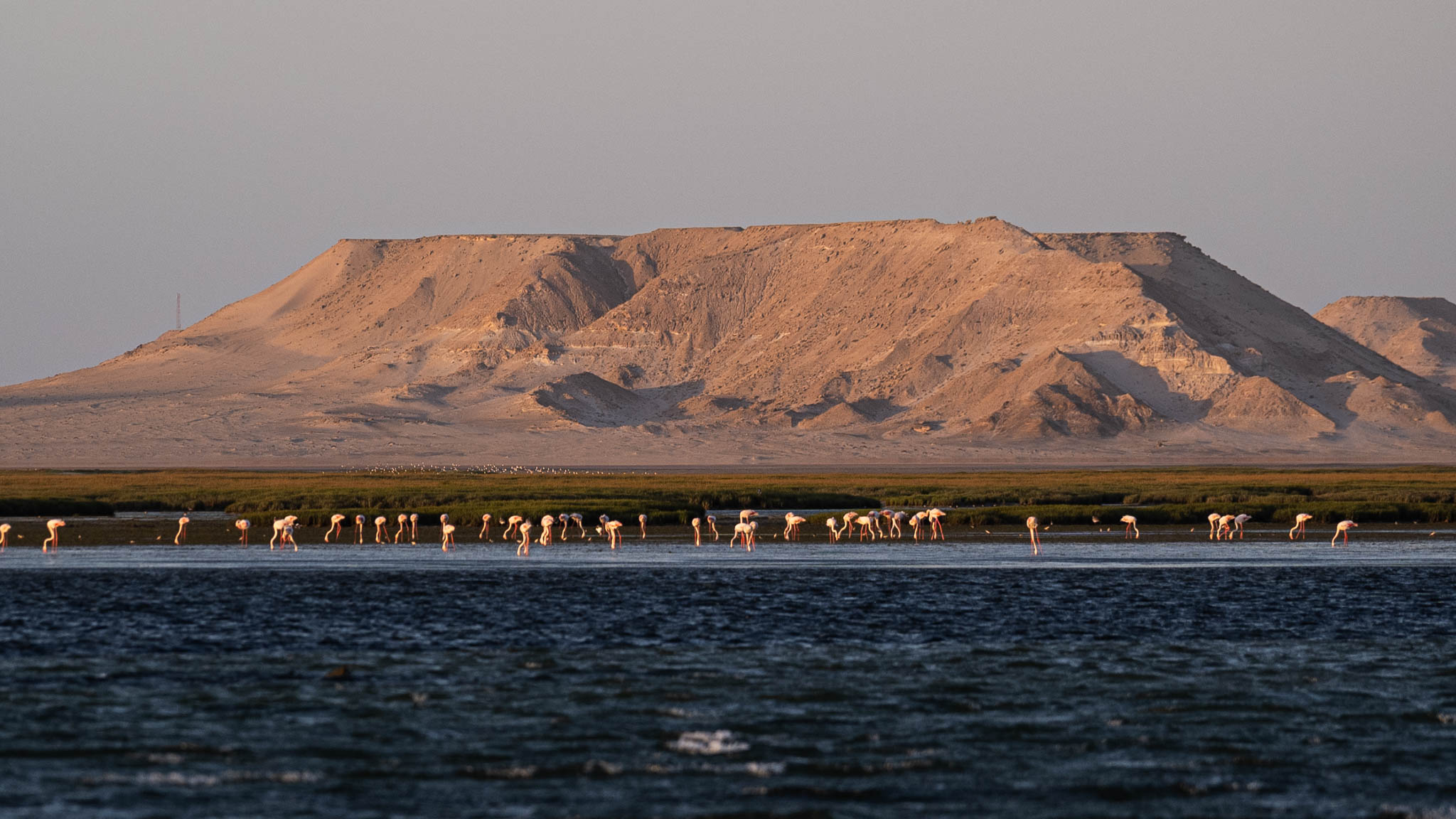
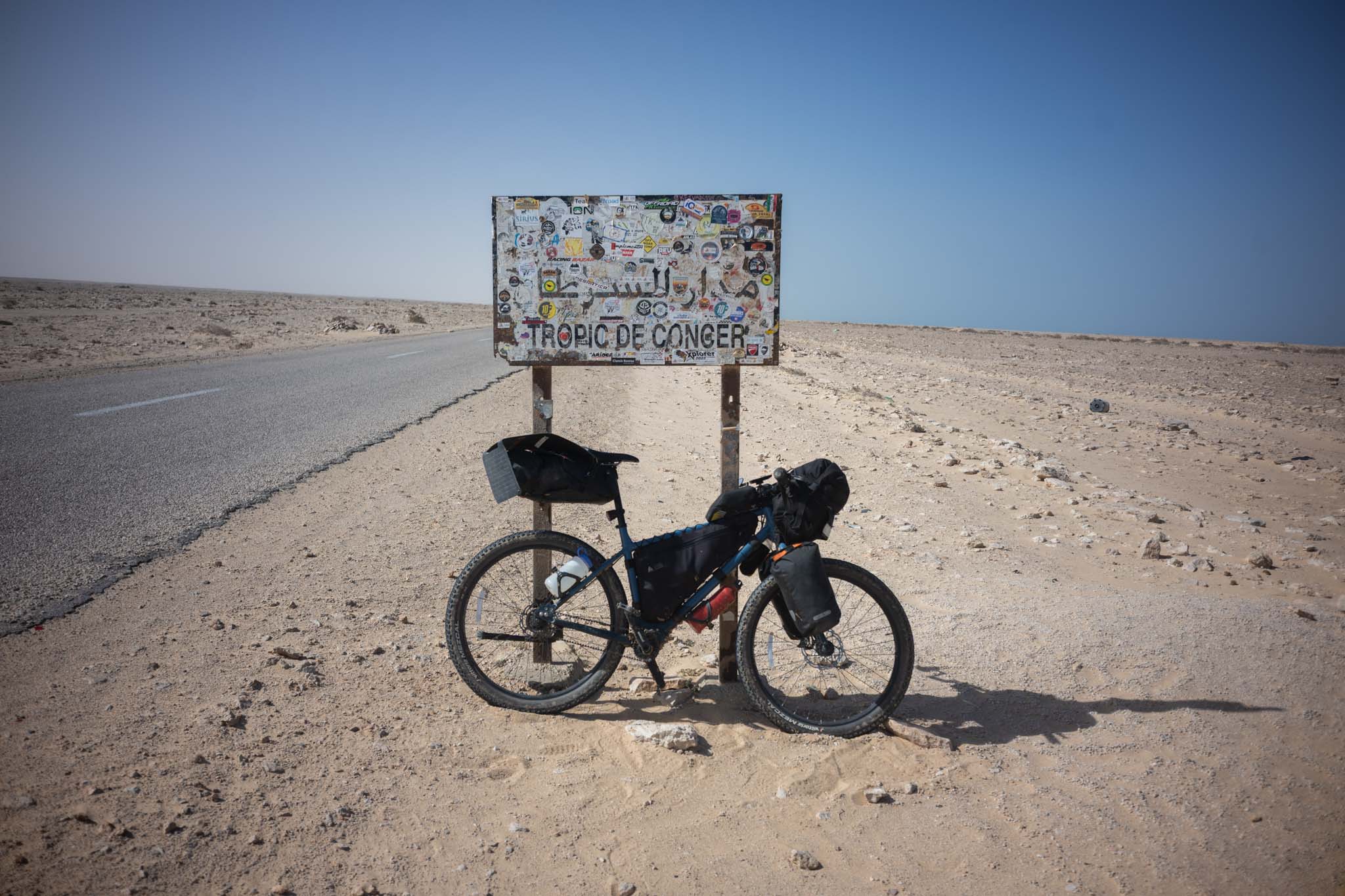
Western Sahara
Mauritania
Senegal
Guinea
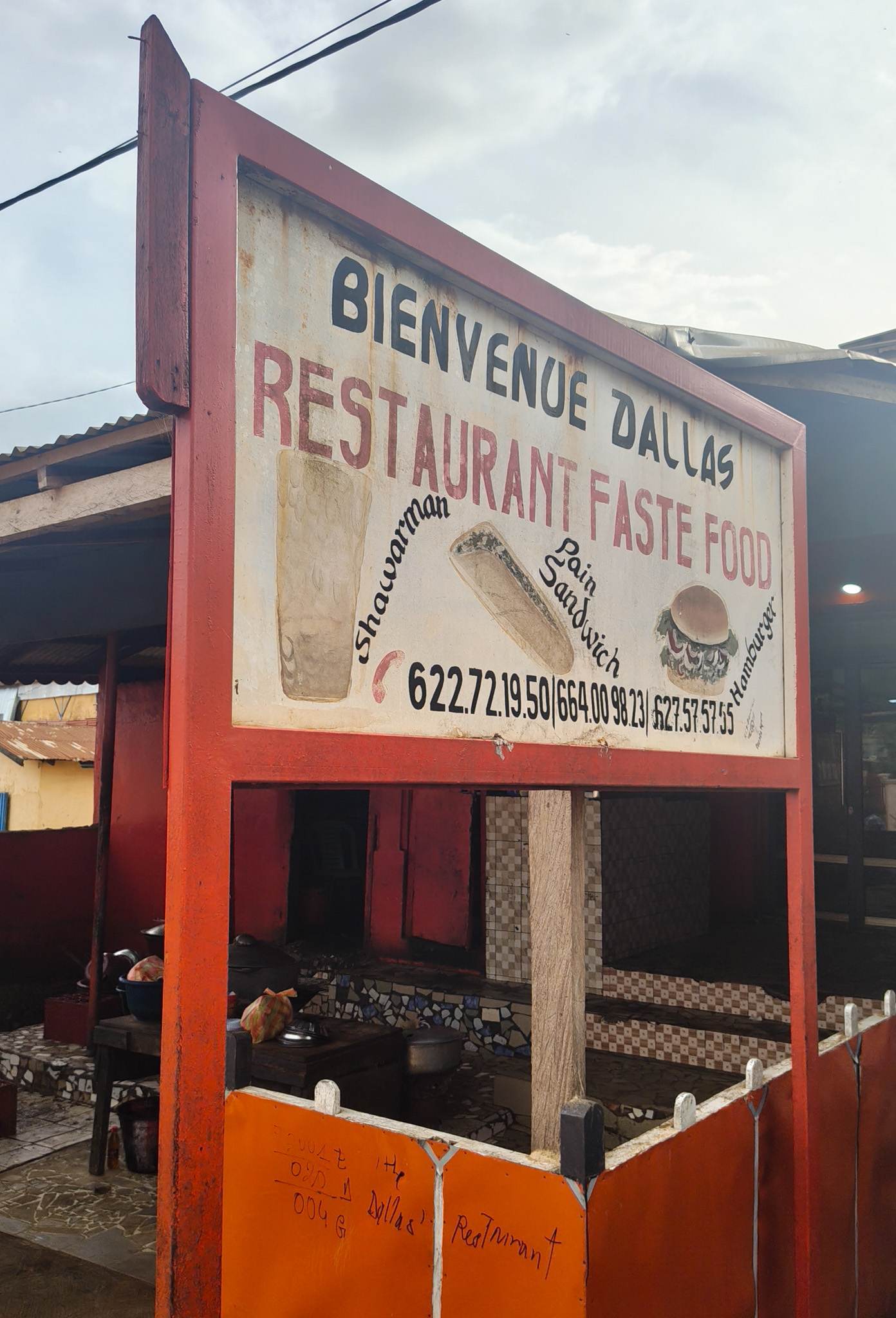
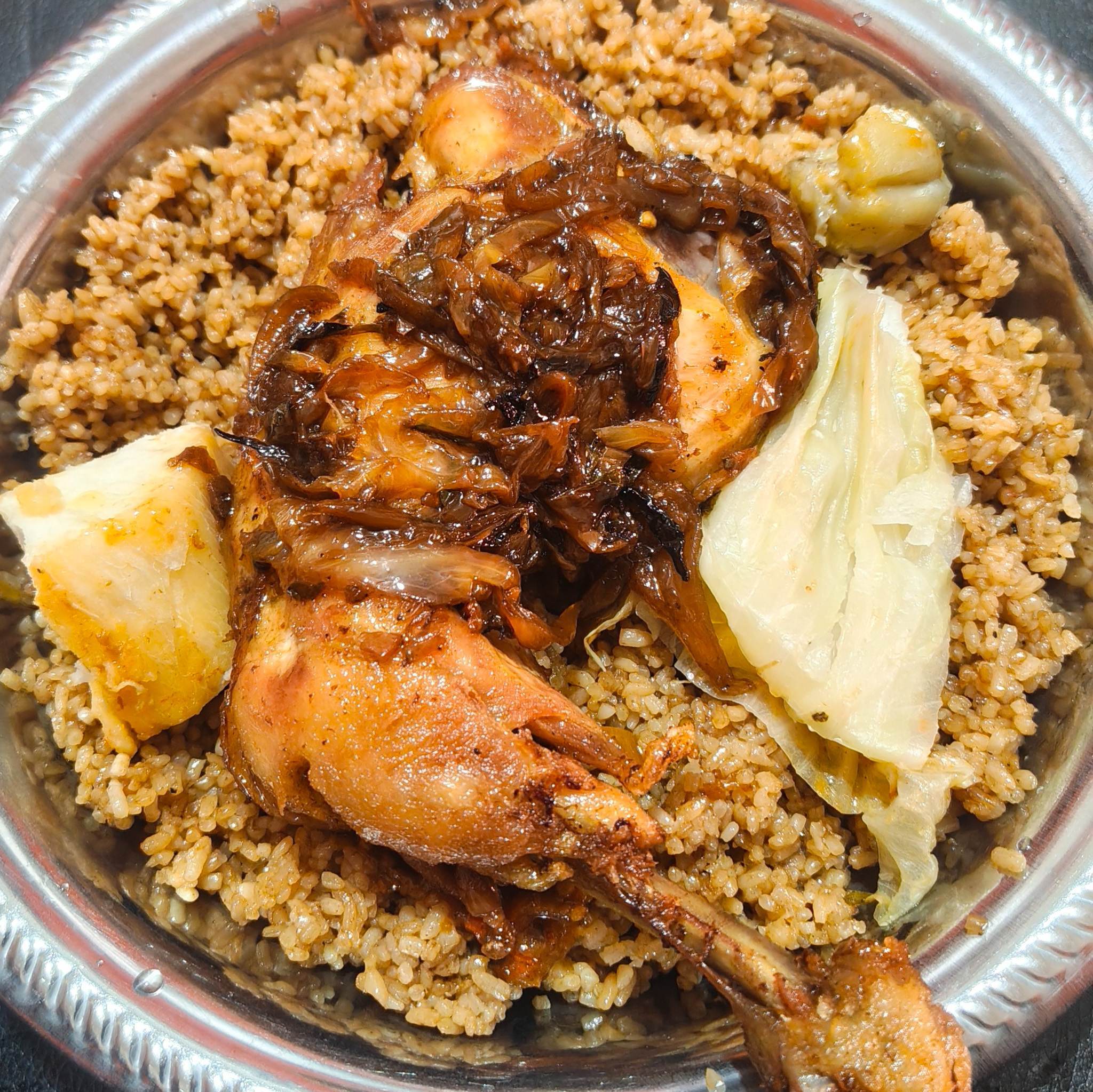
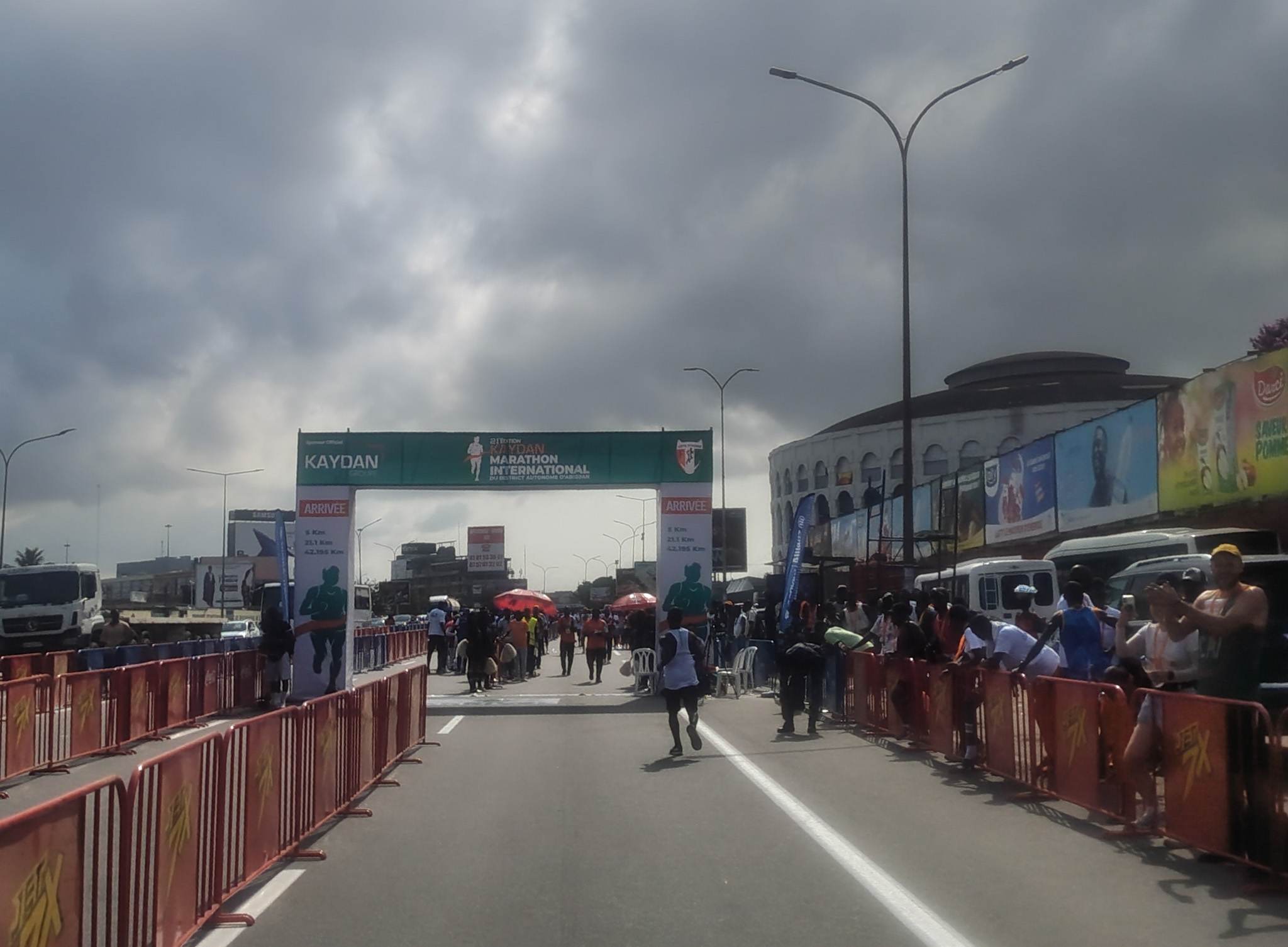
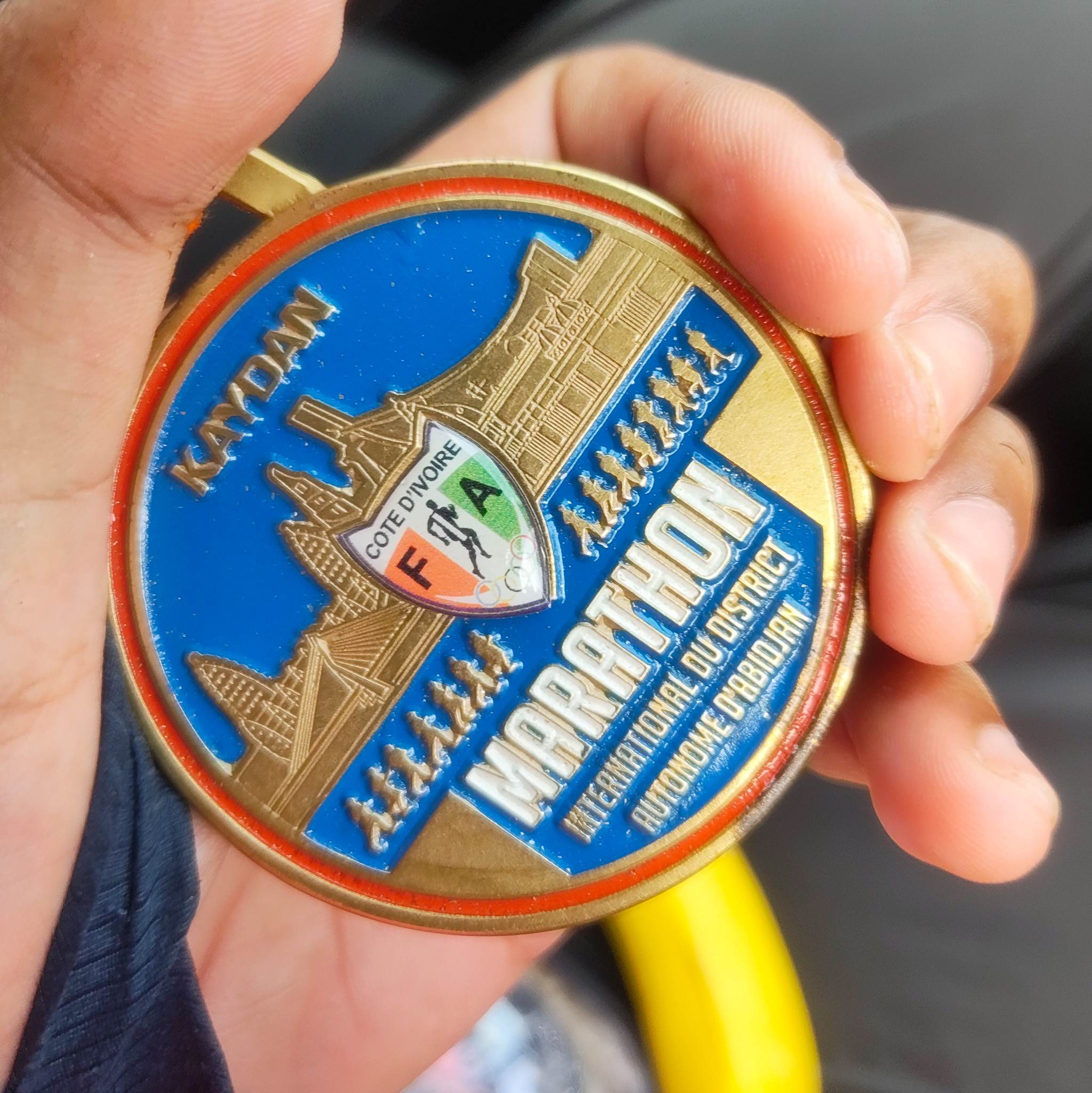
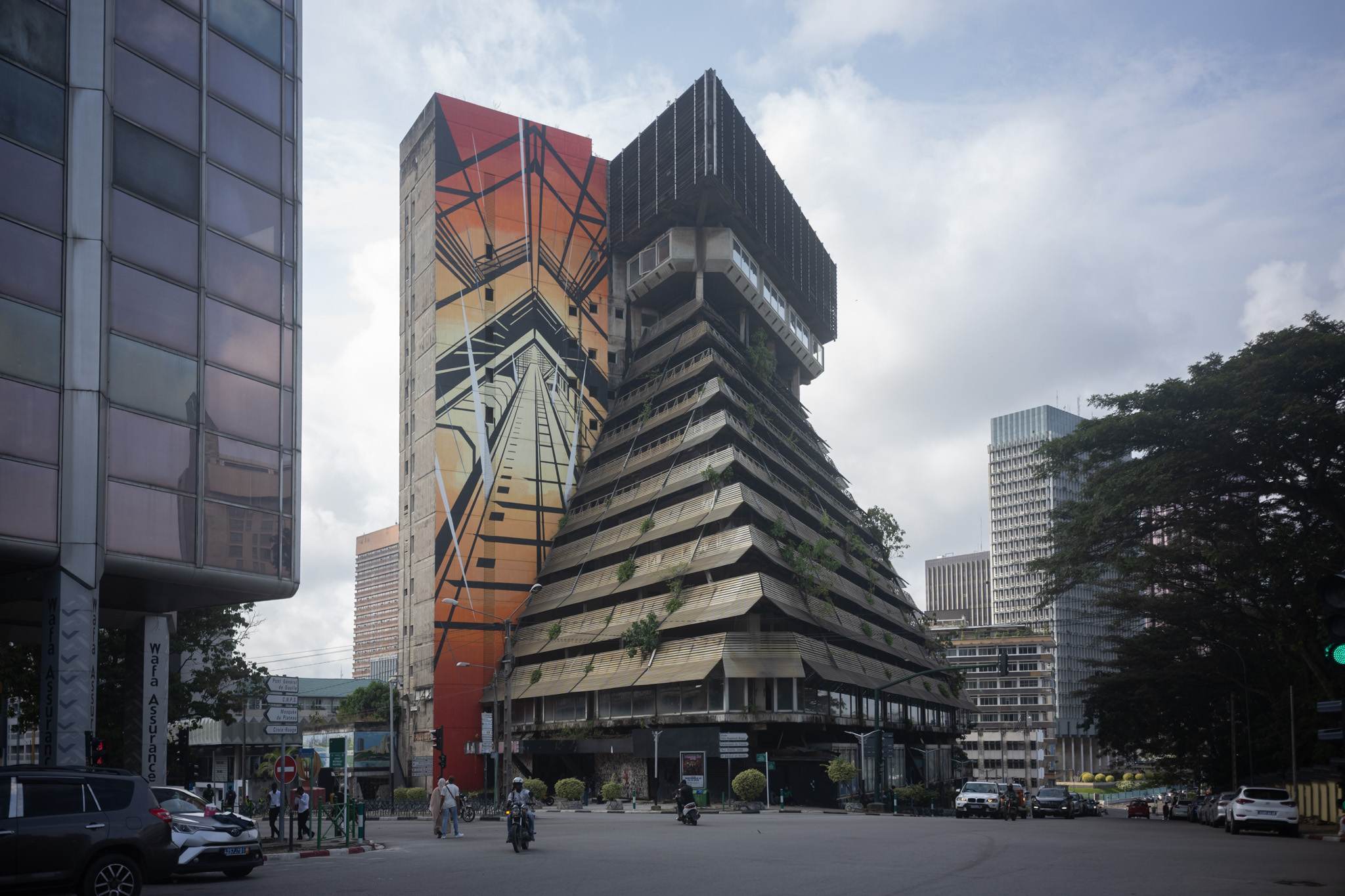
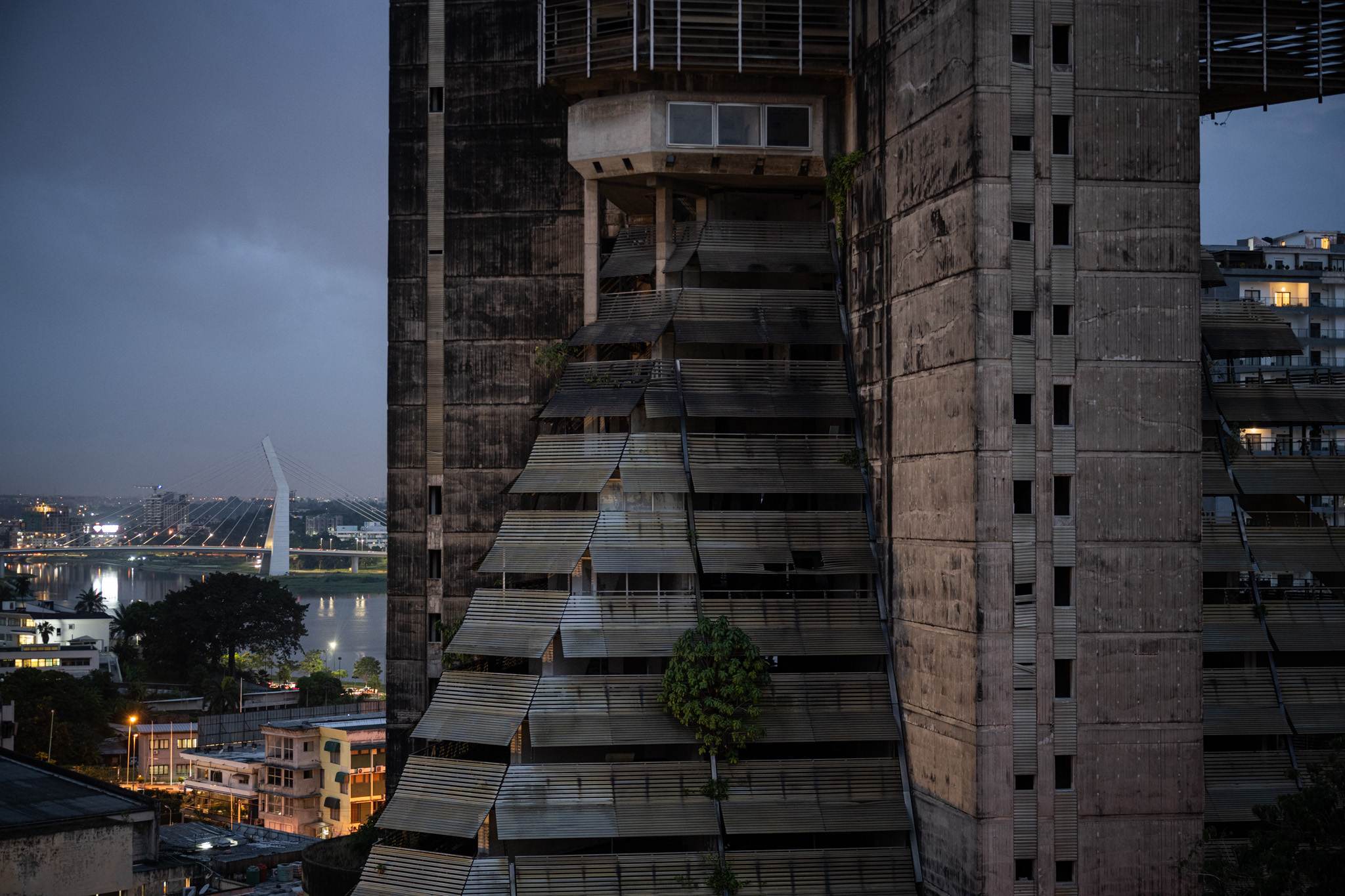
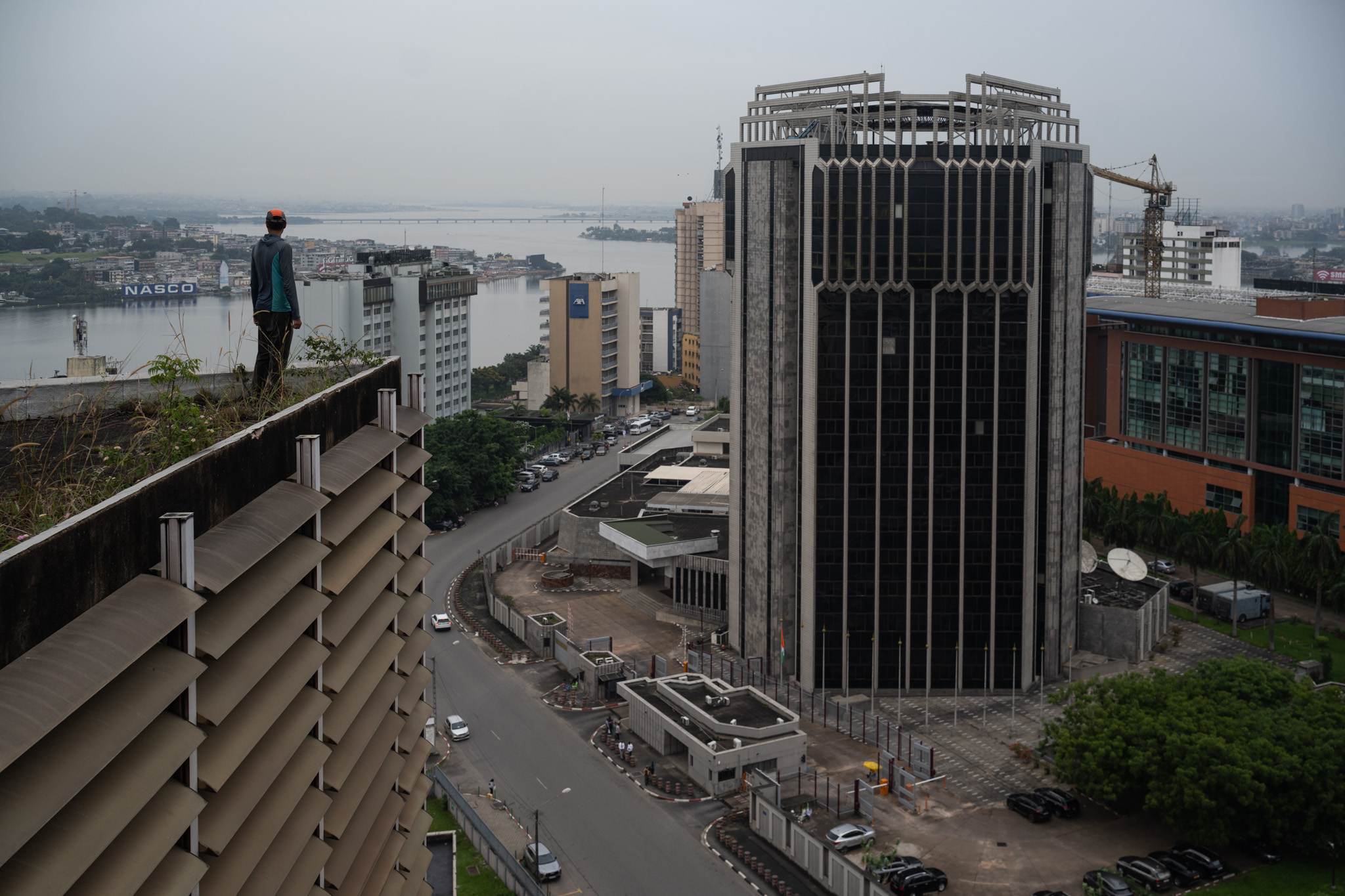
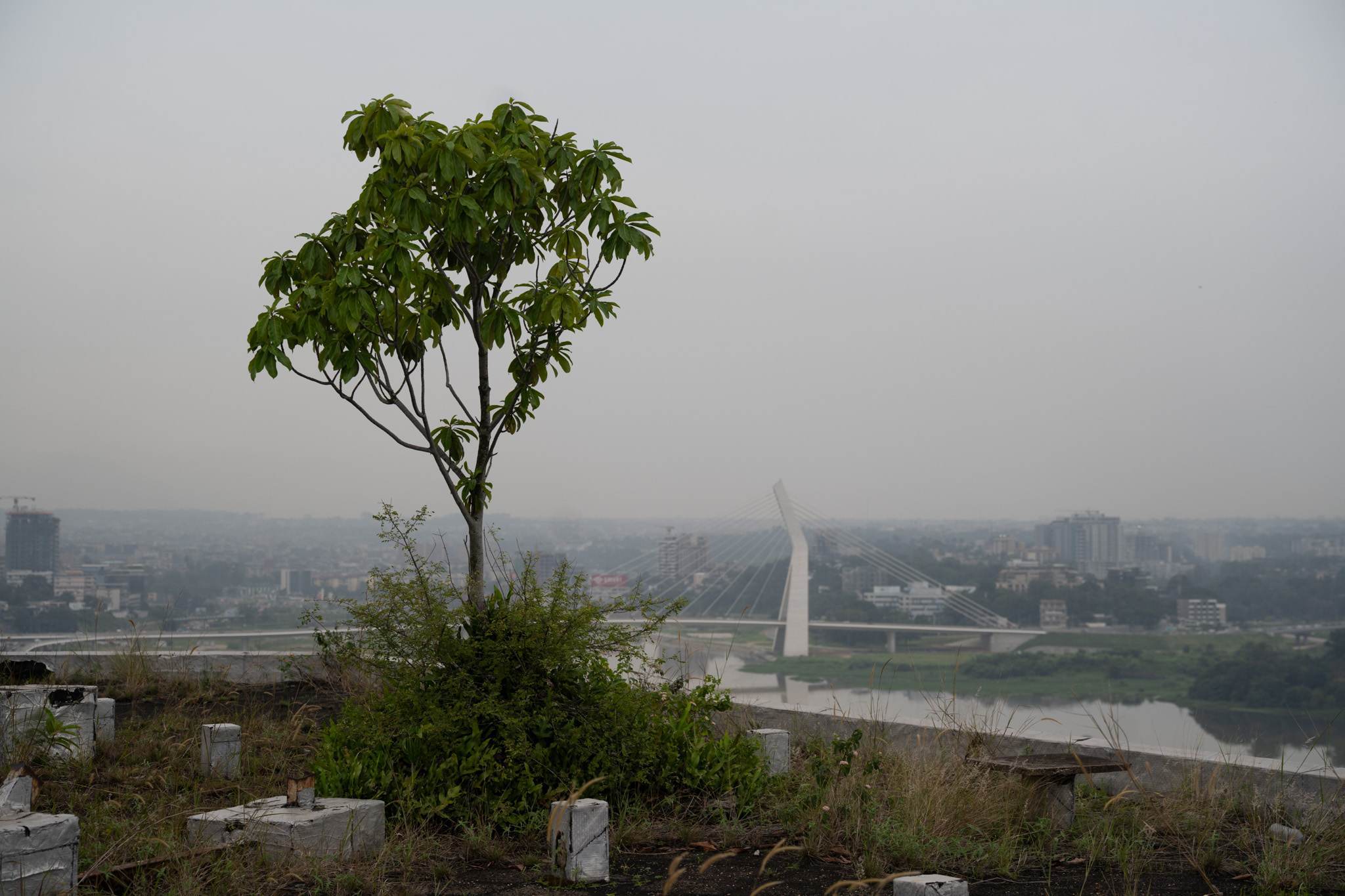
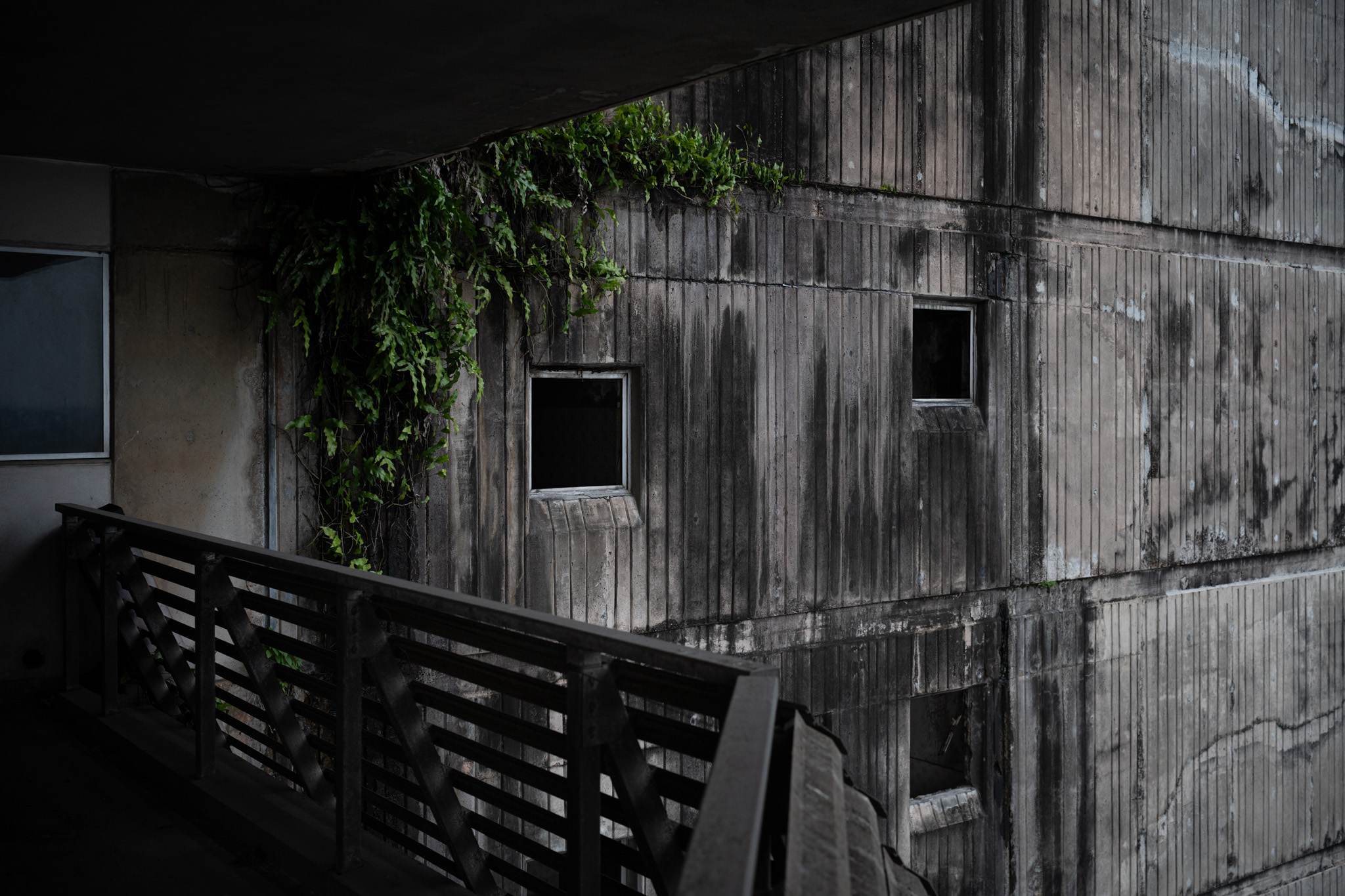
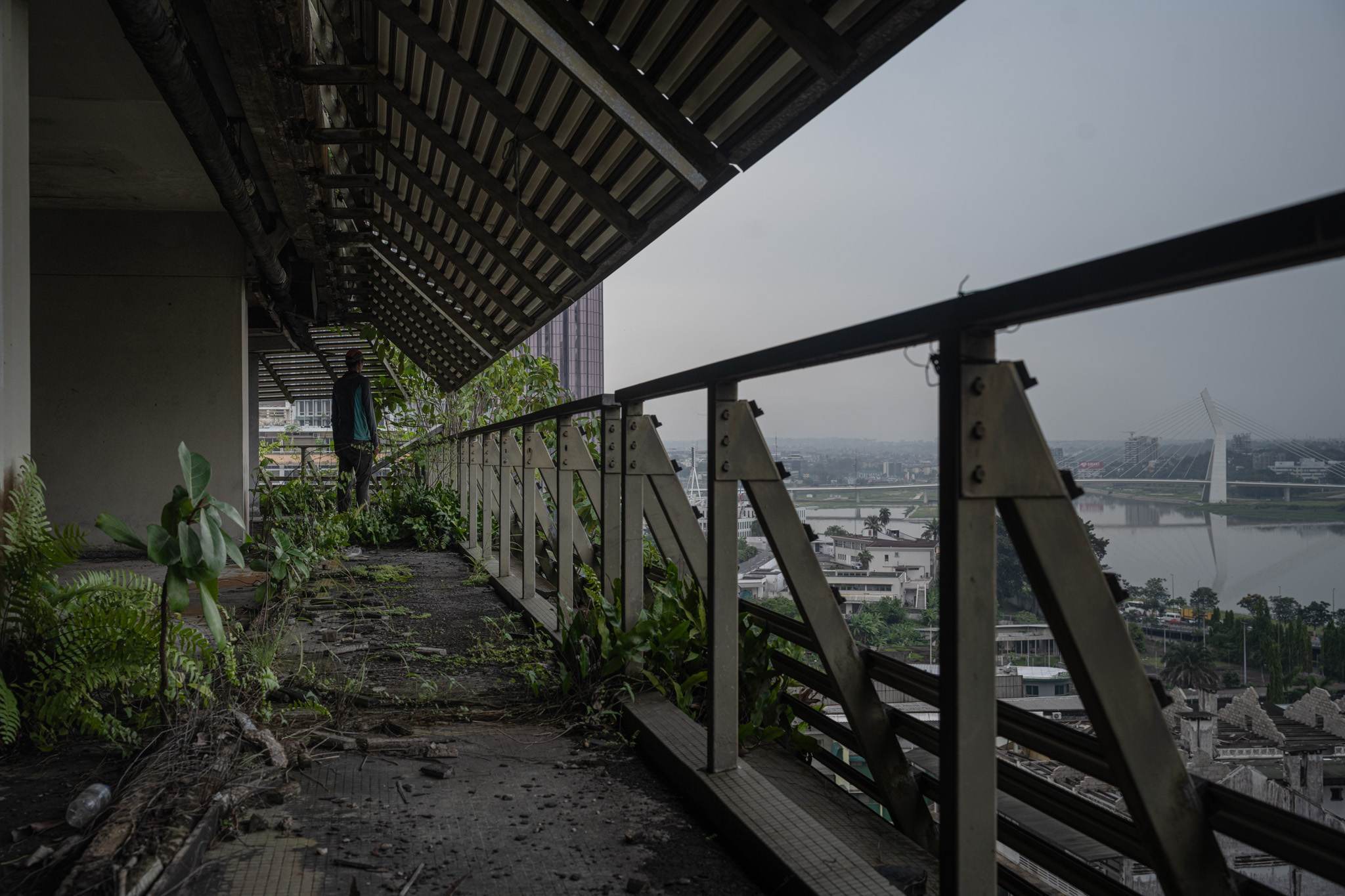
Côte d'Ivoire
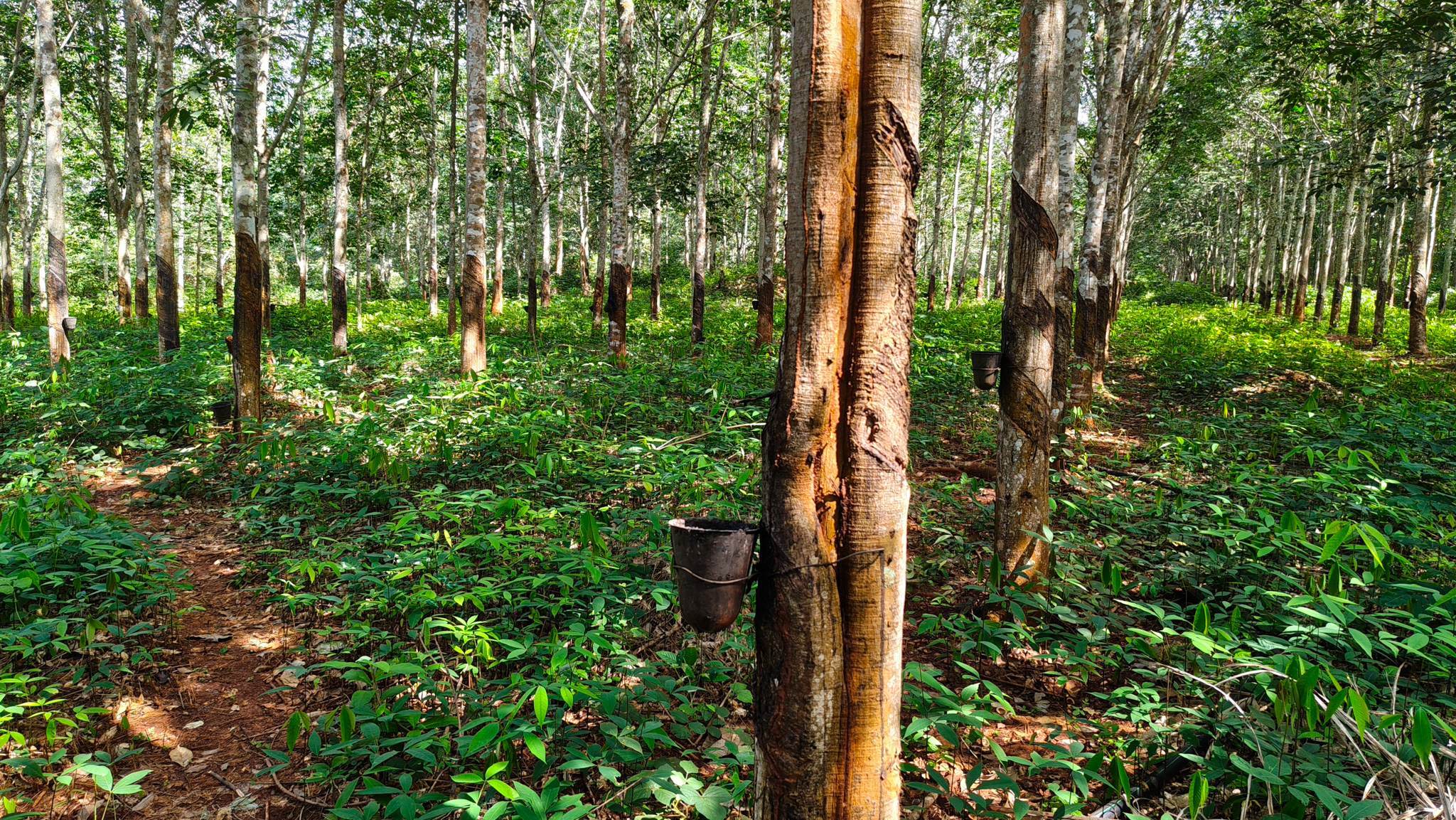
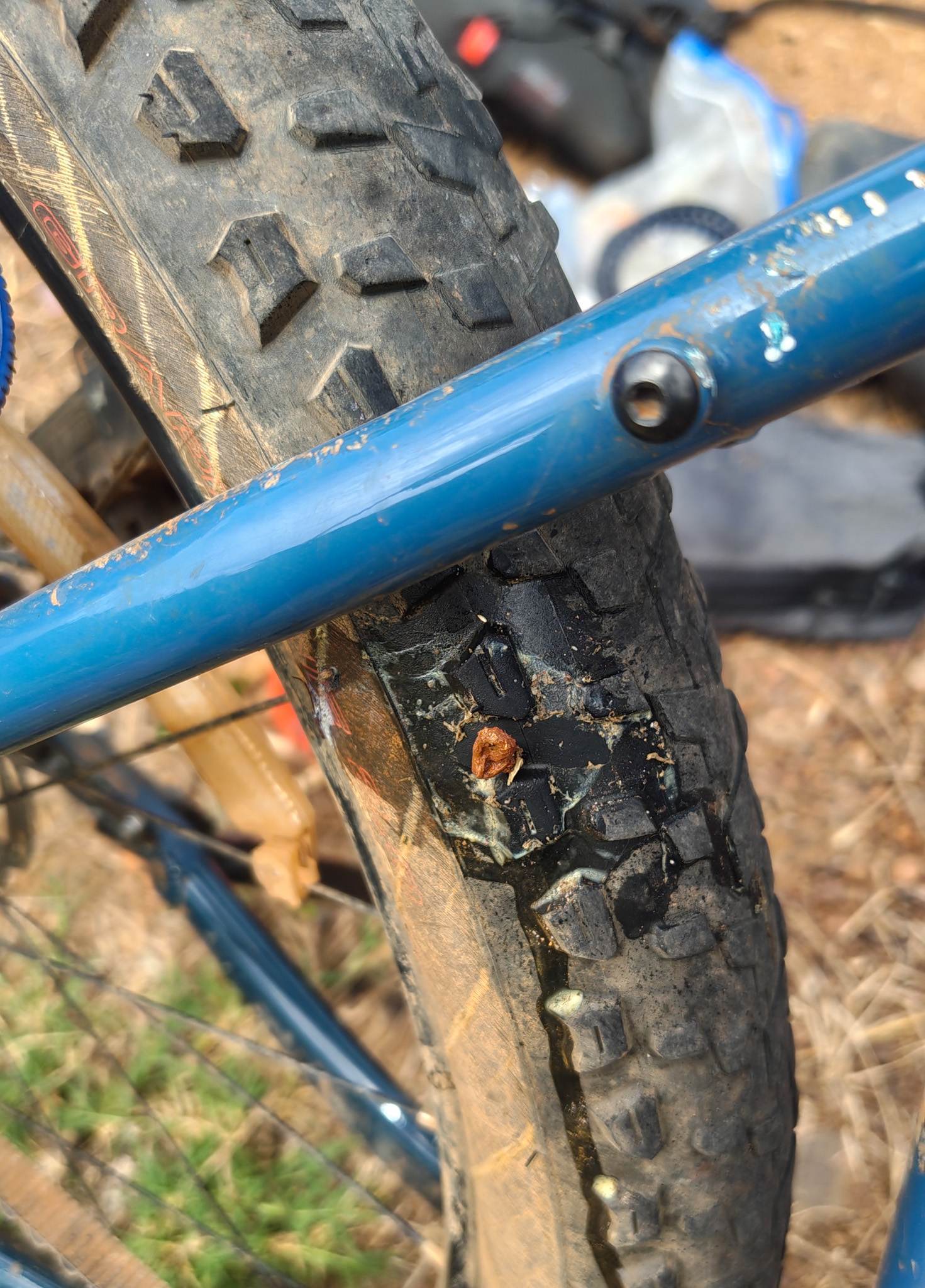
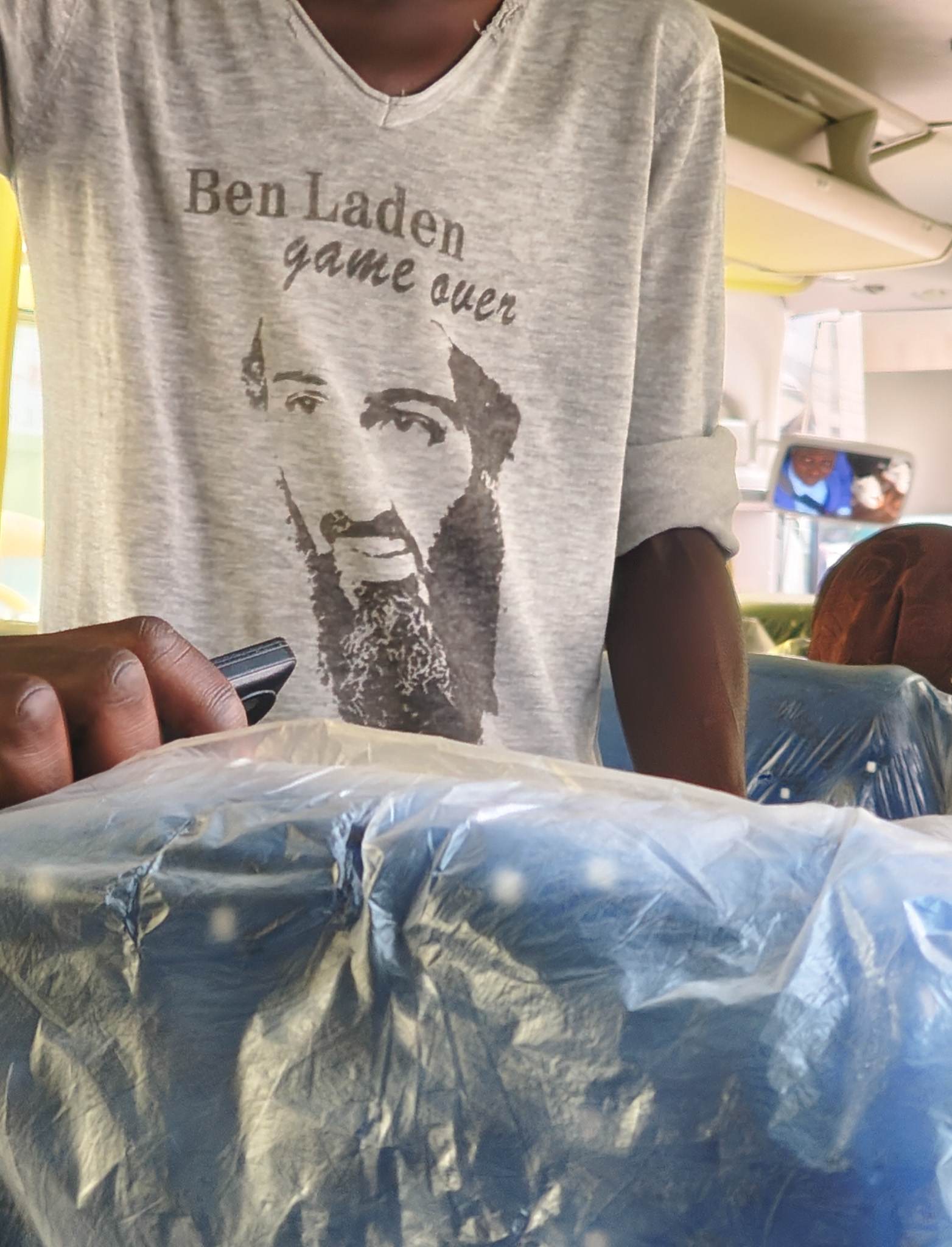
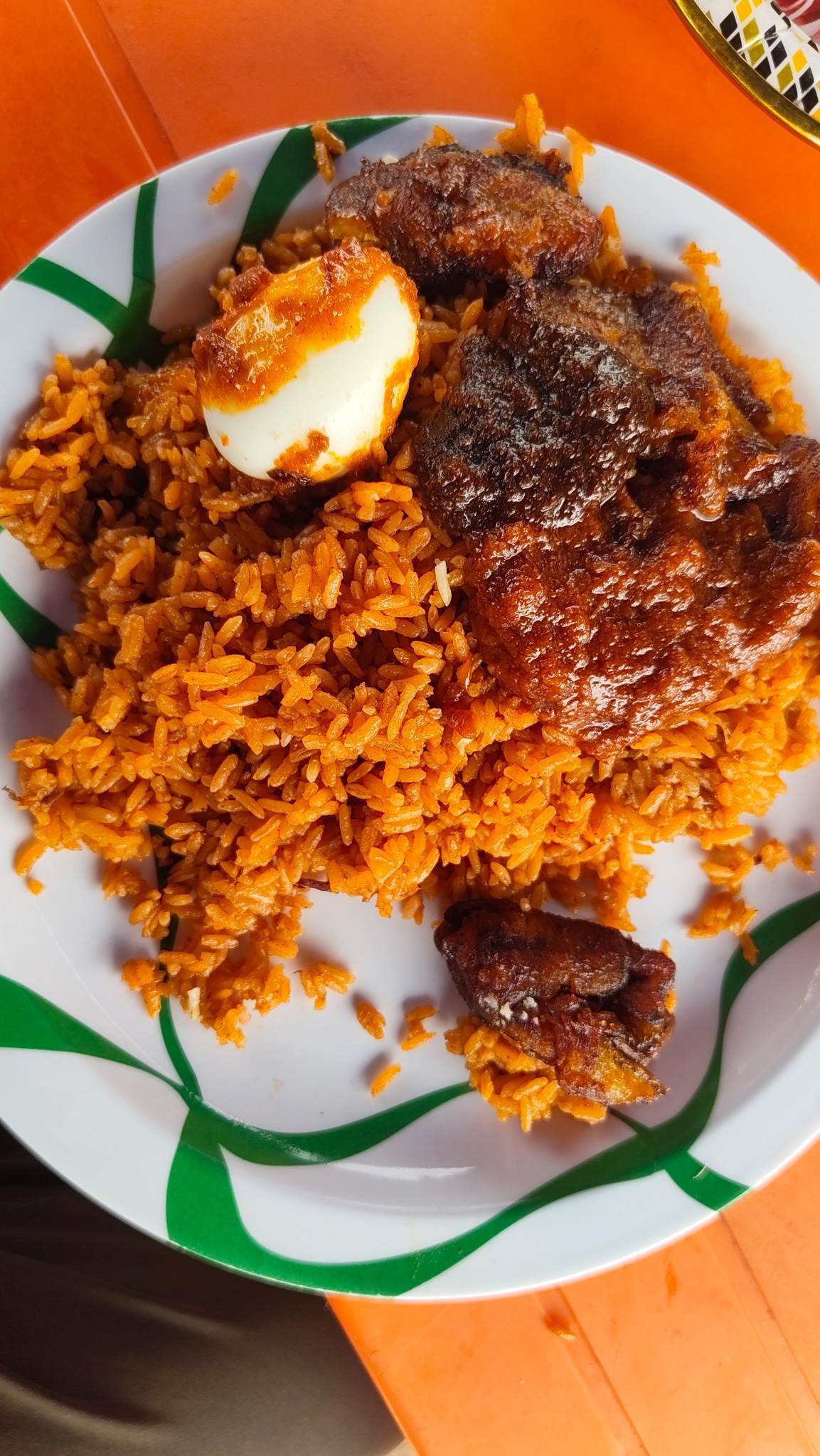
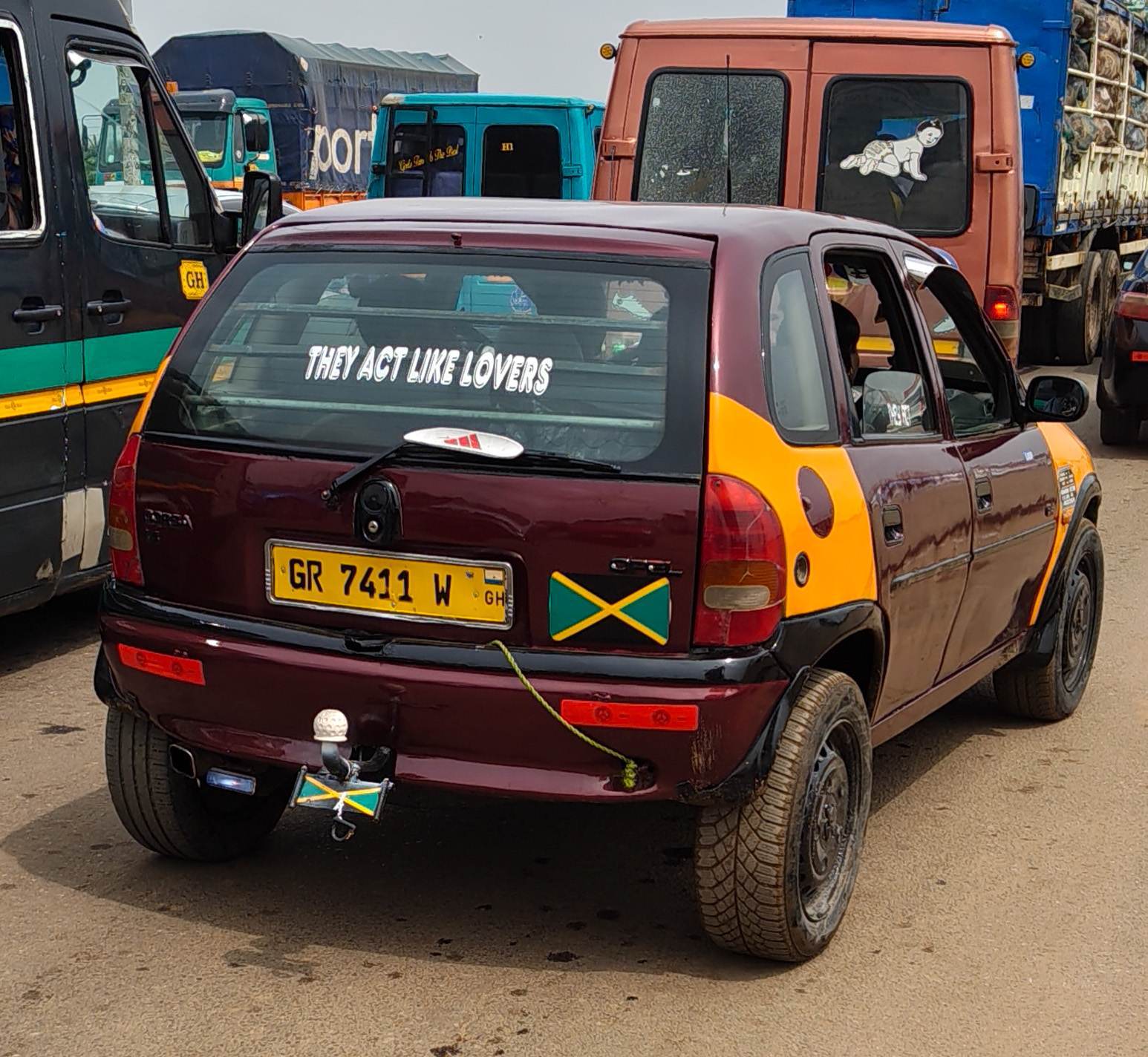
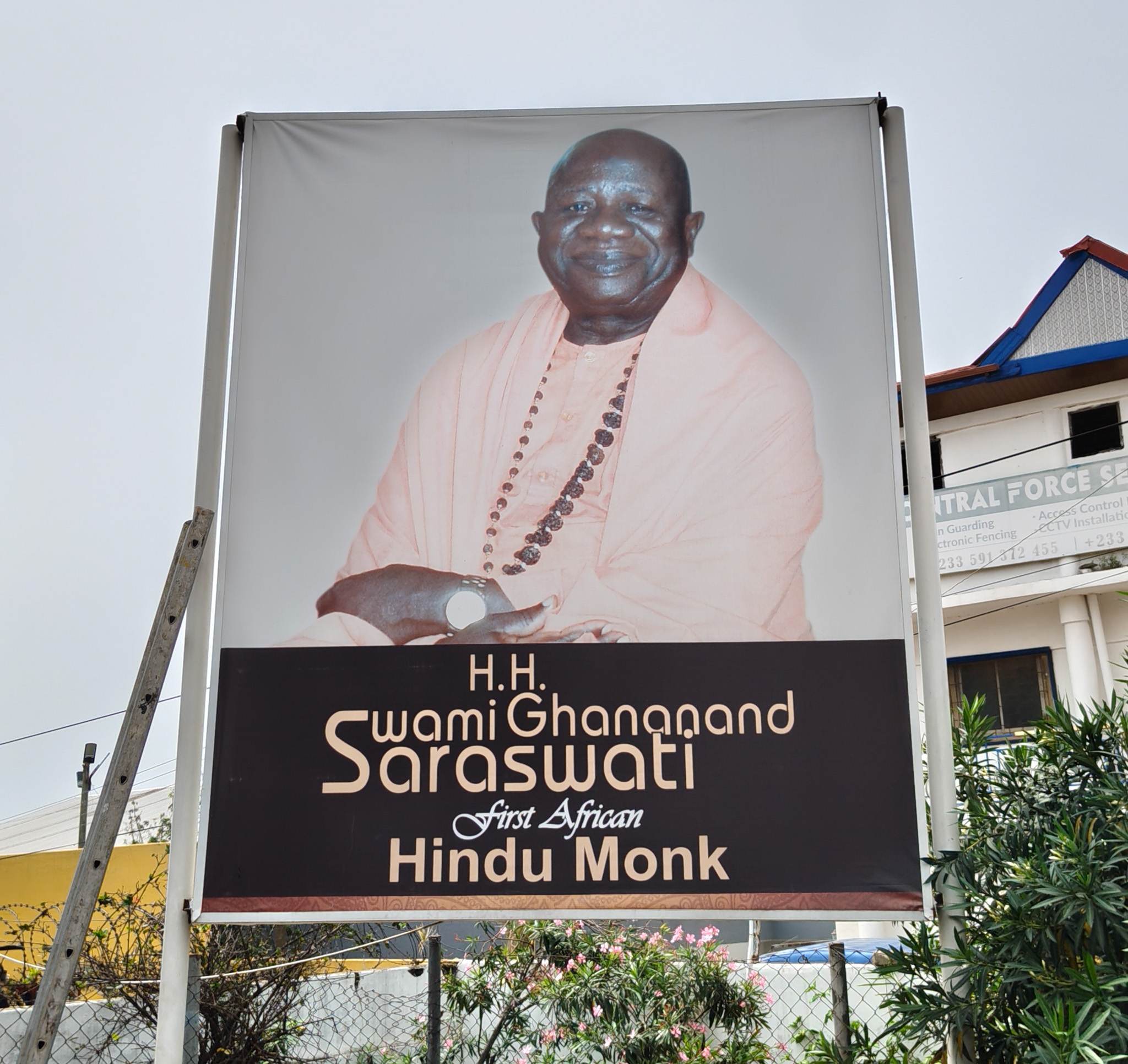
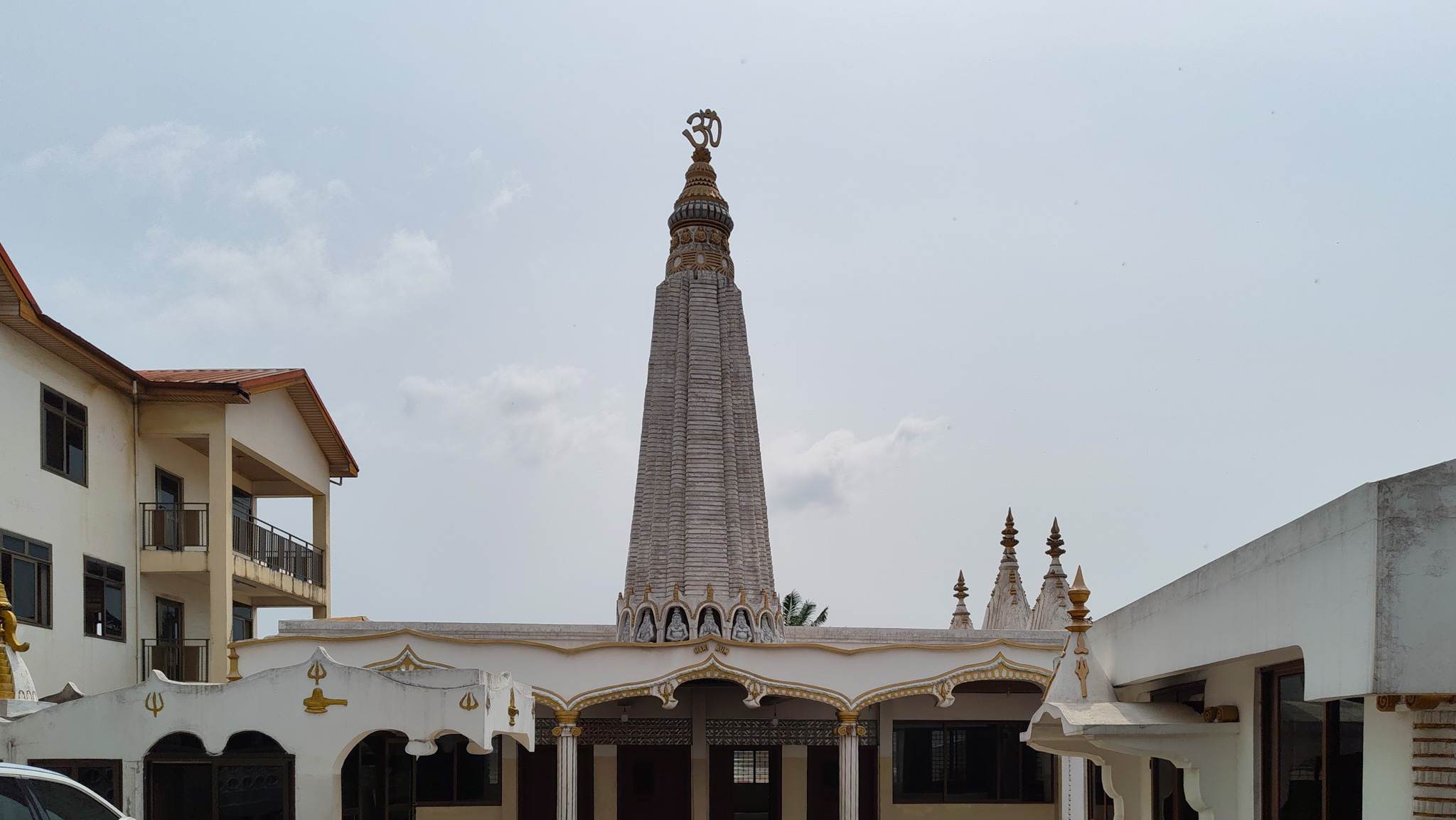
Ghana
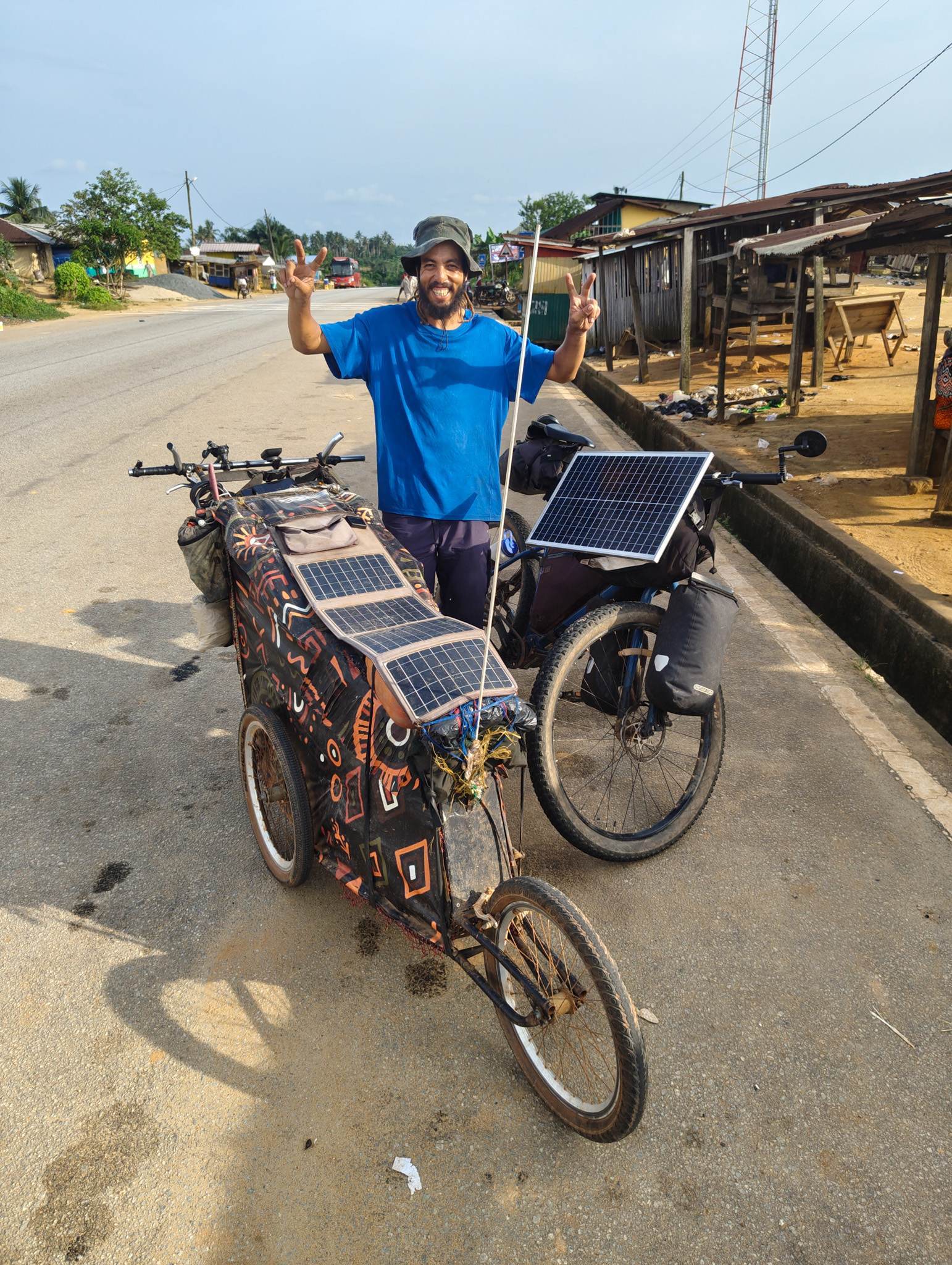
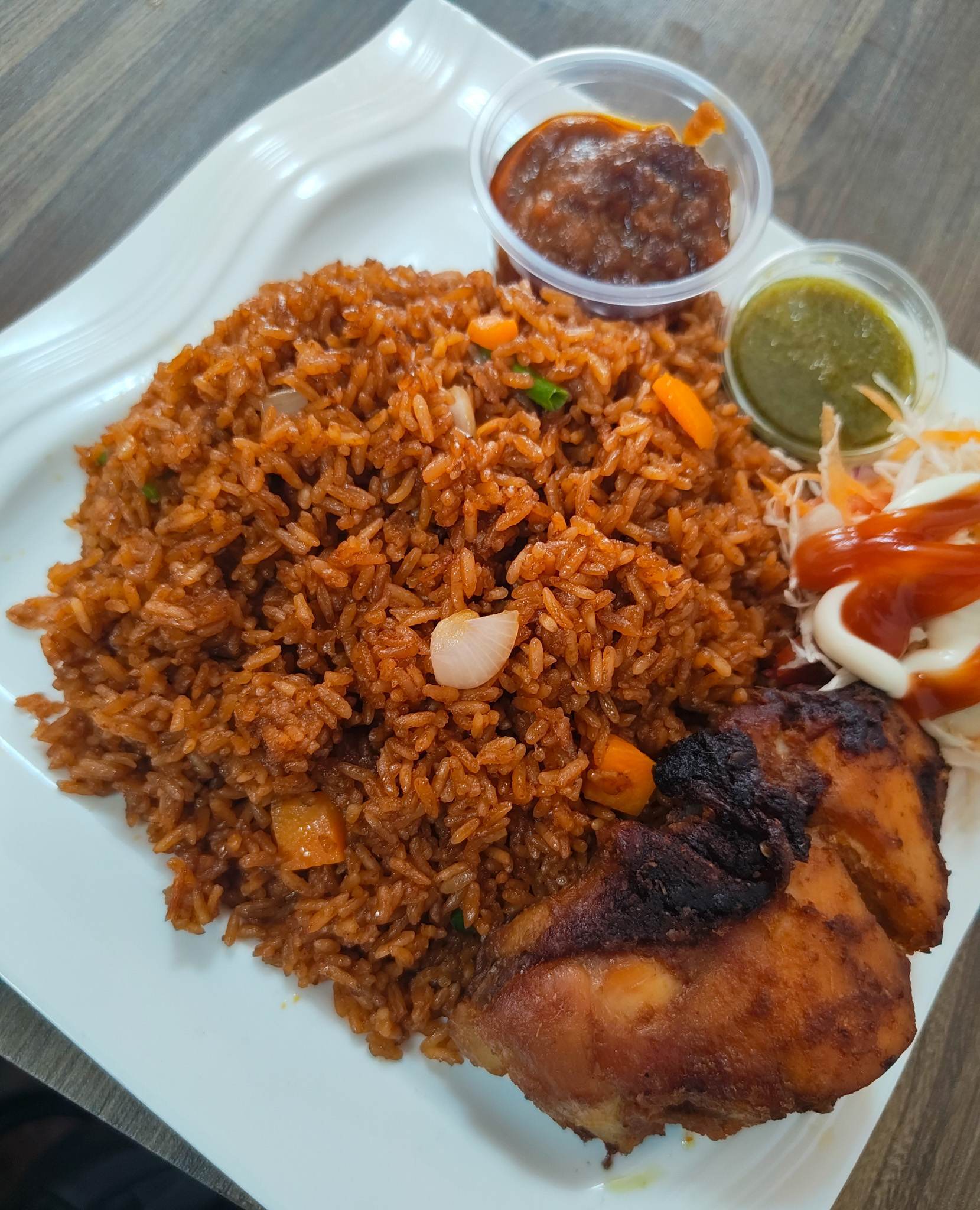
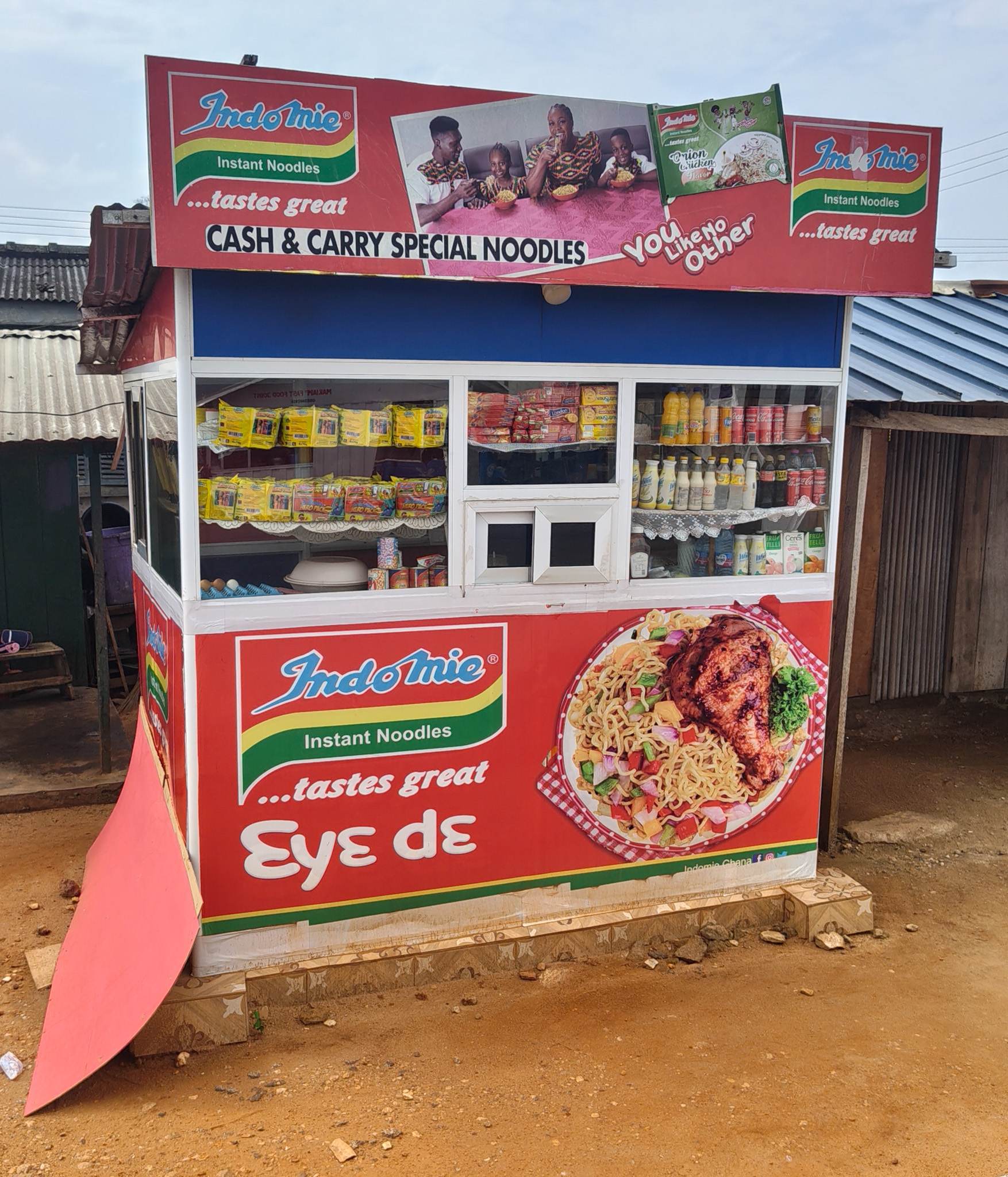
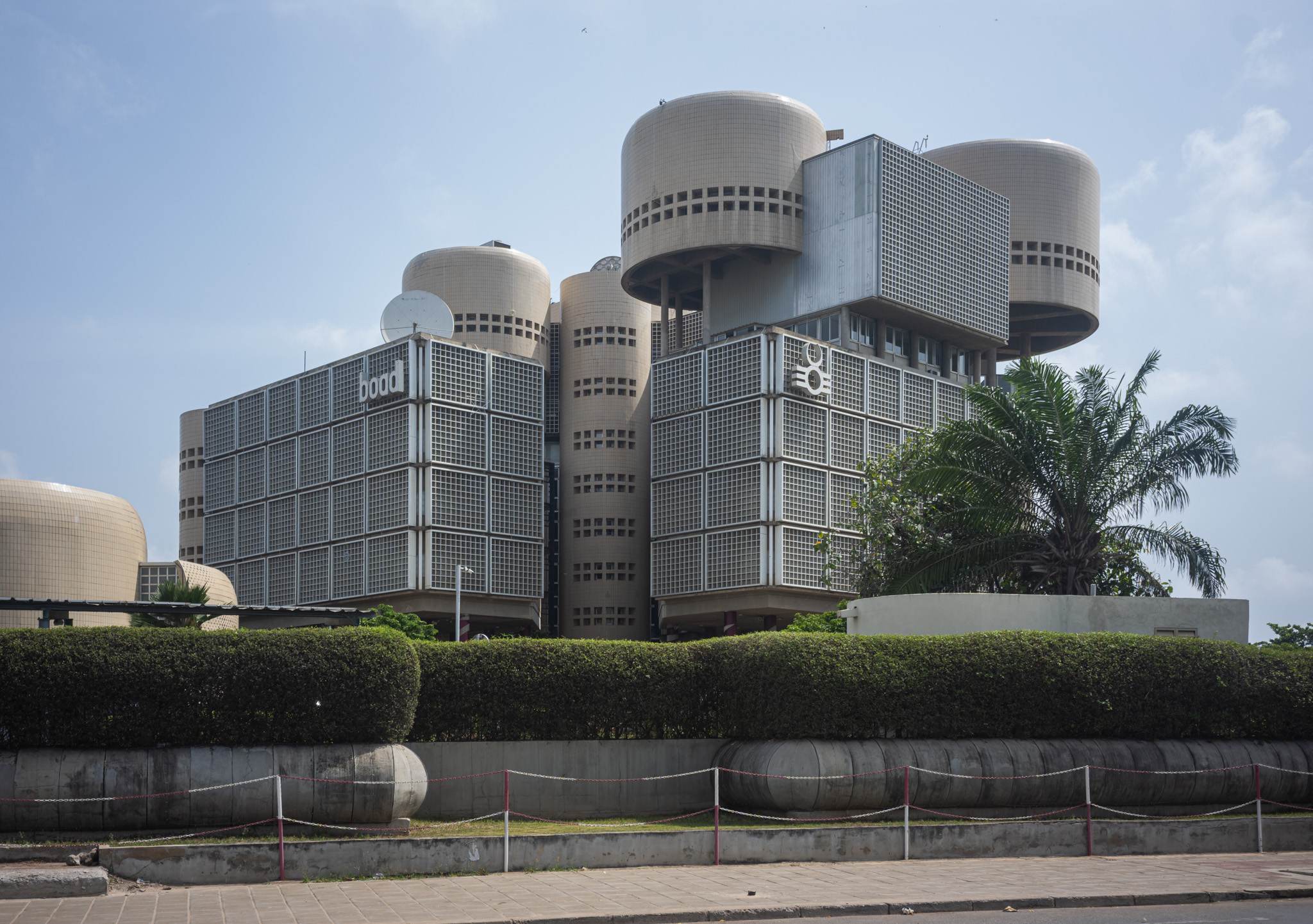
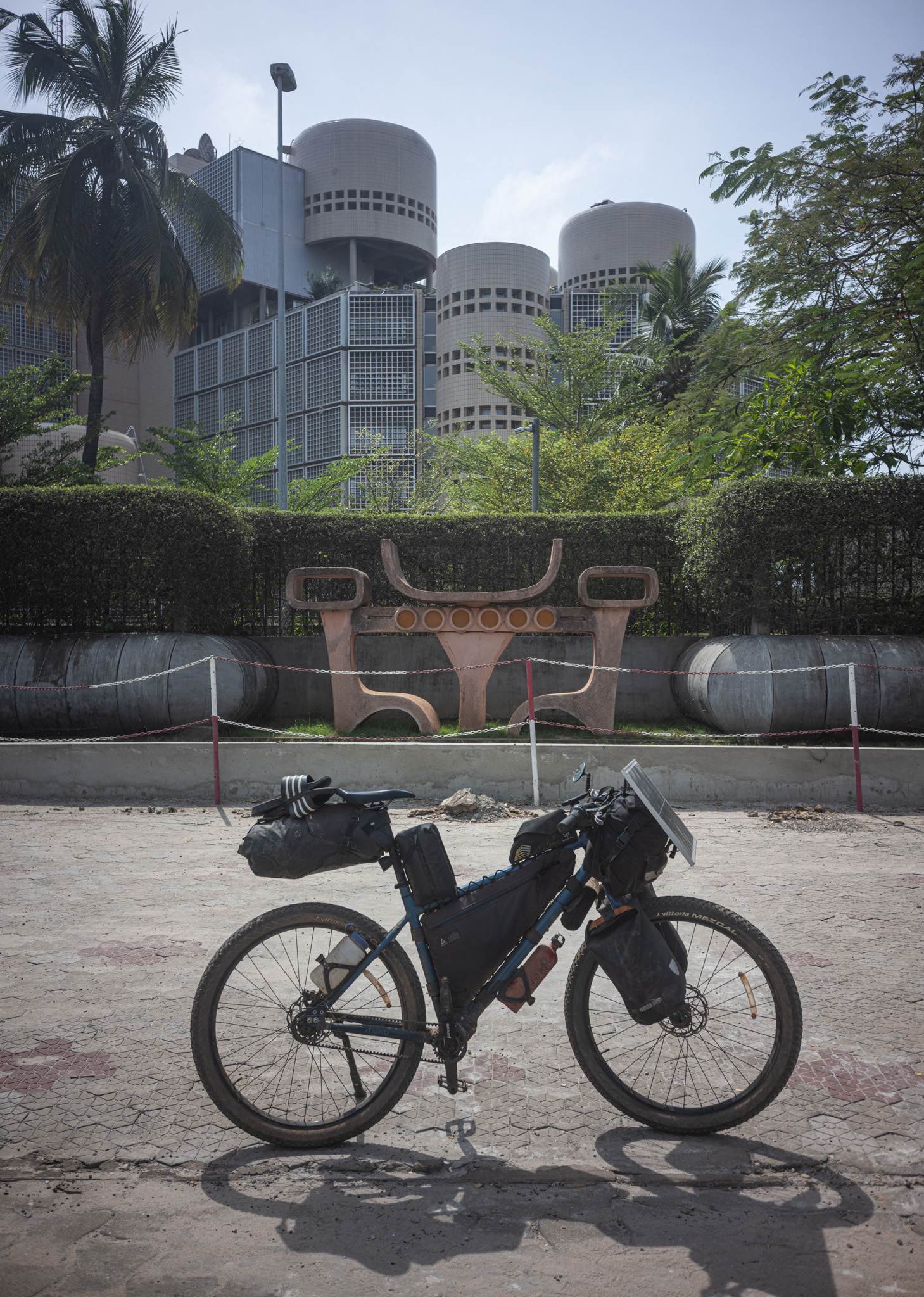
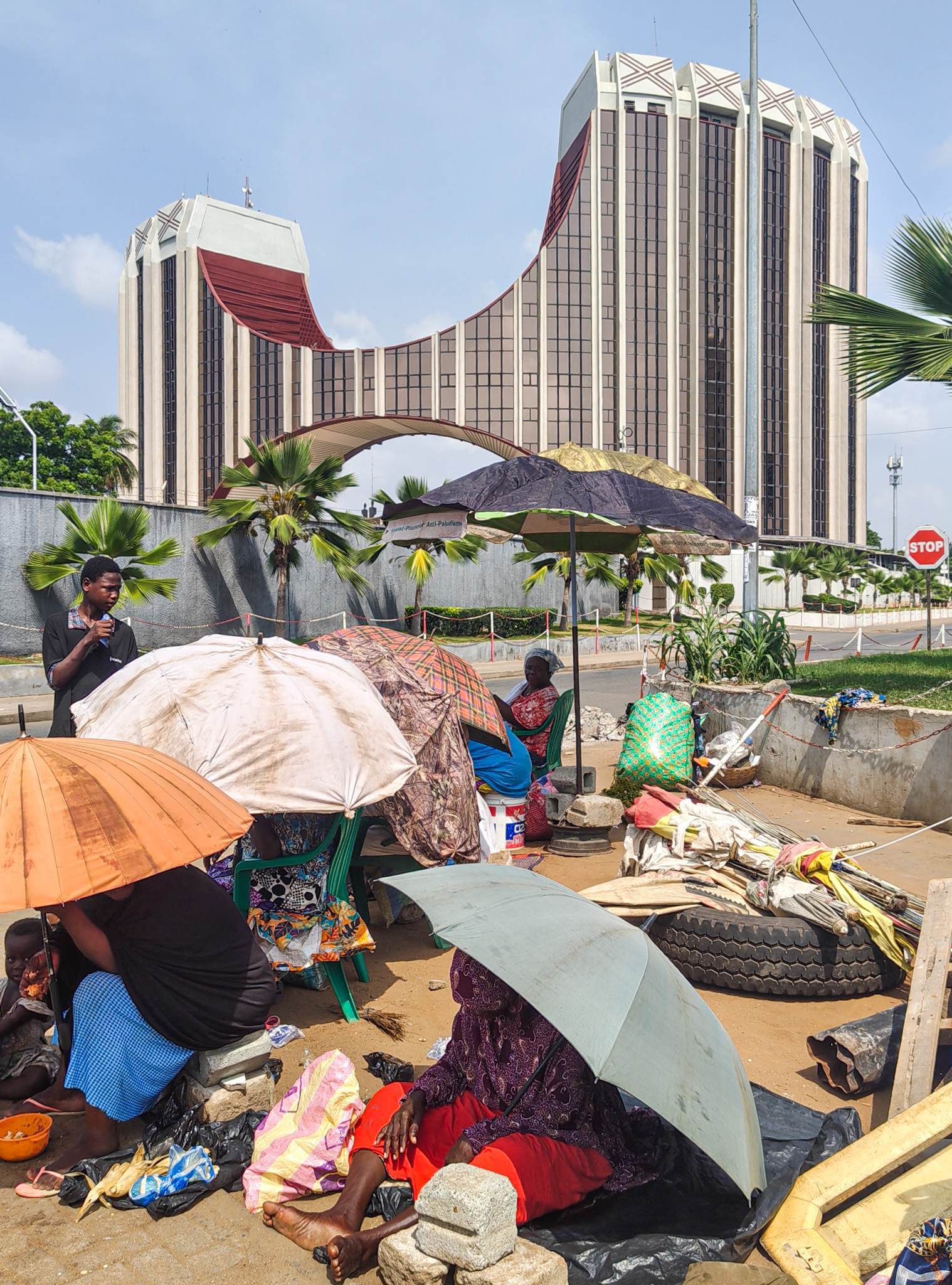
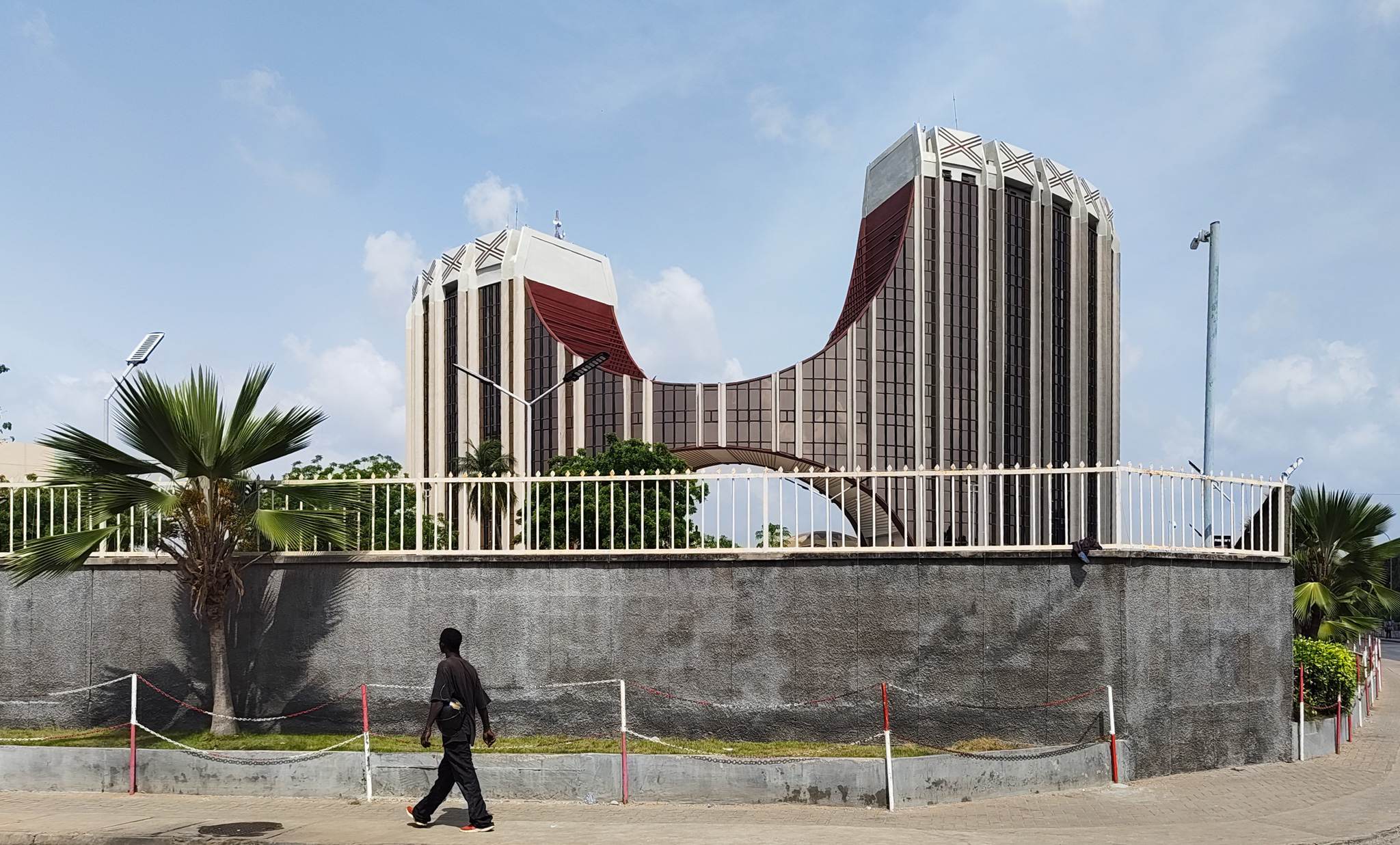
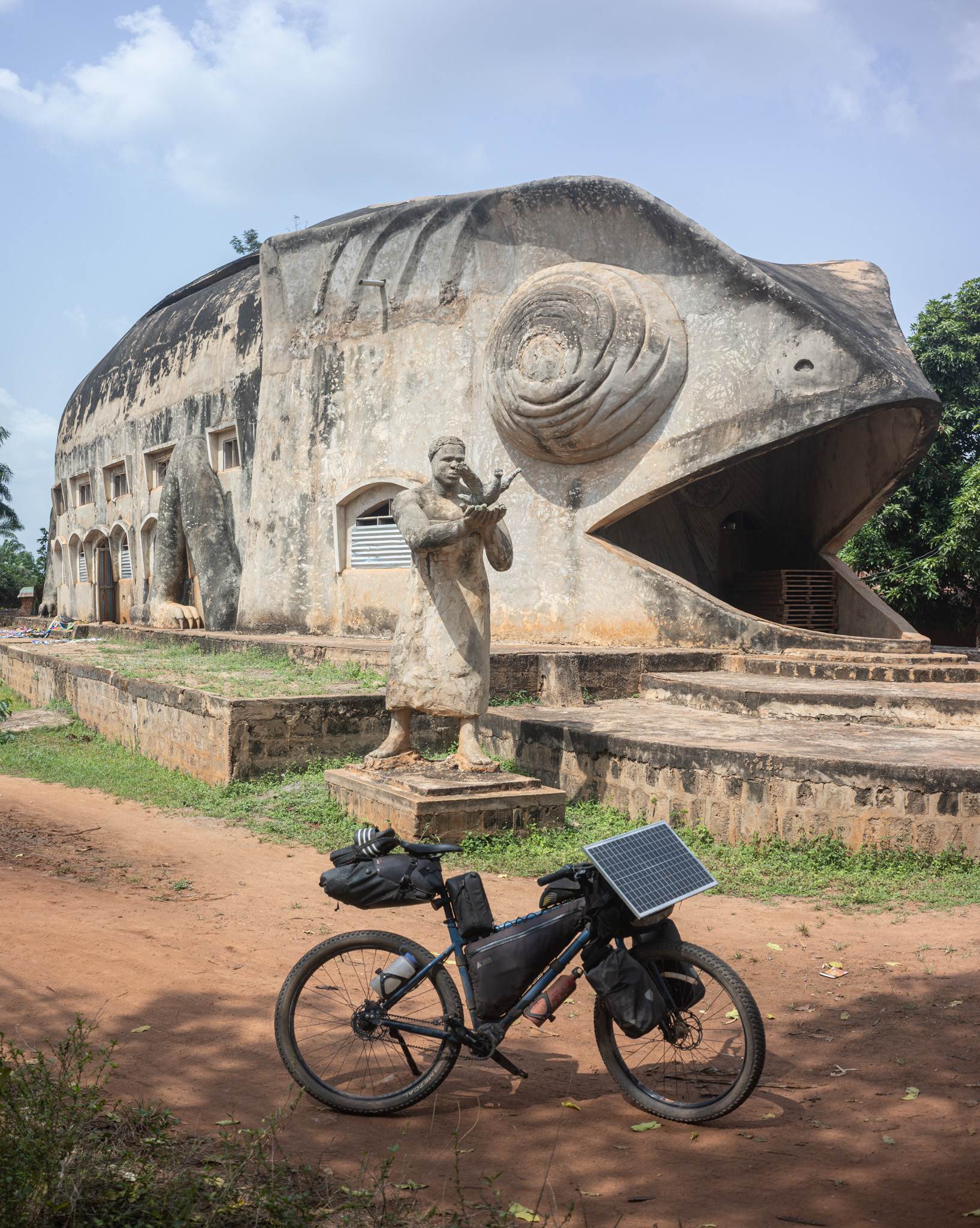
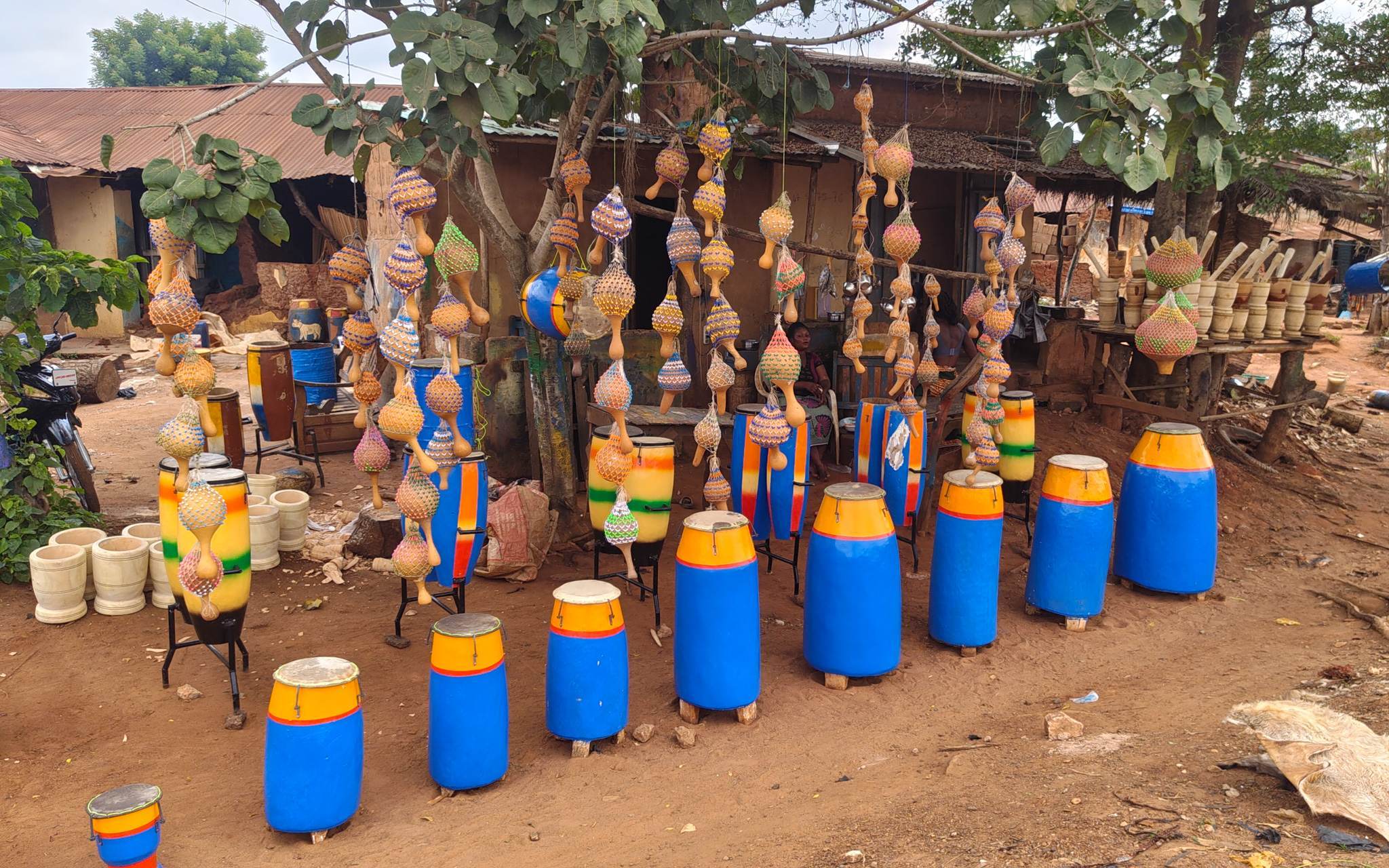
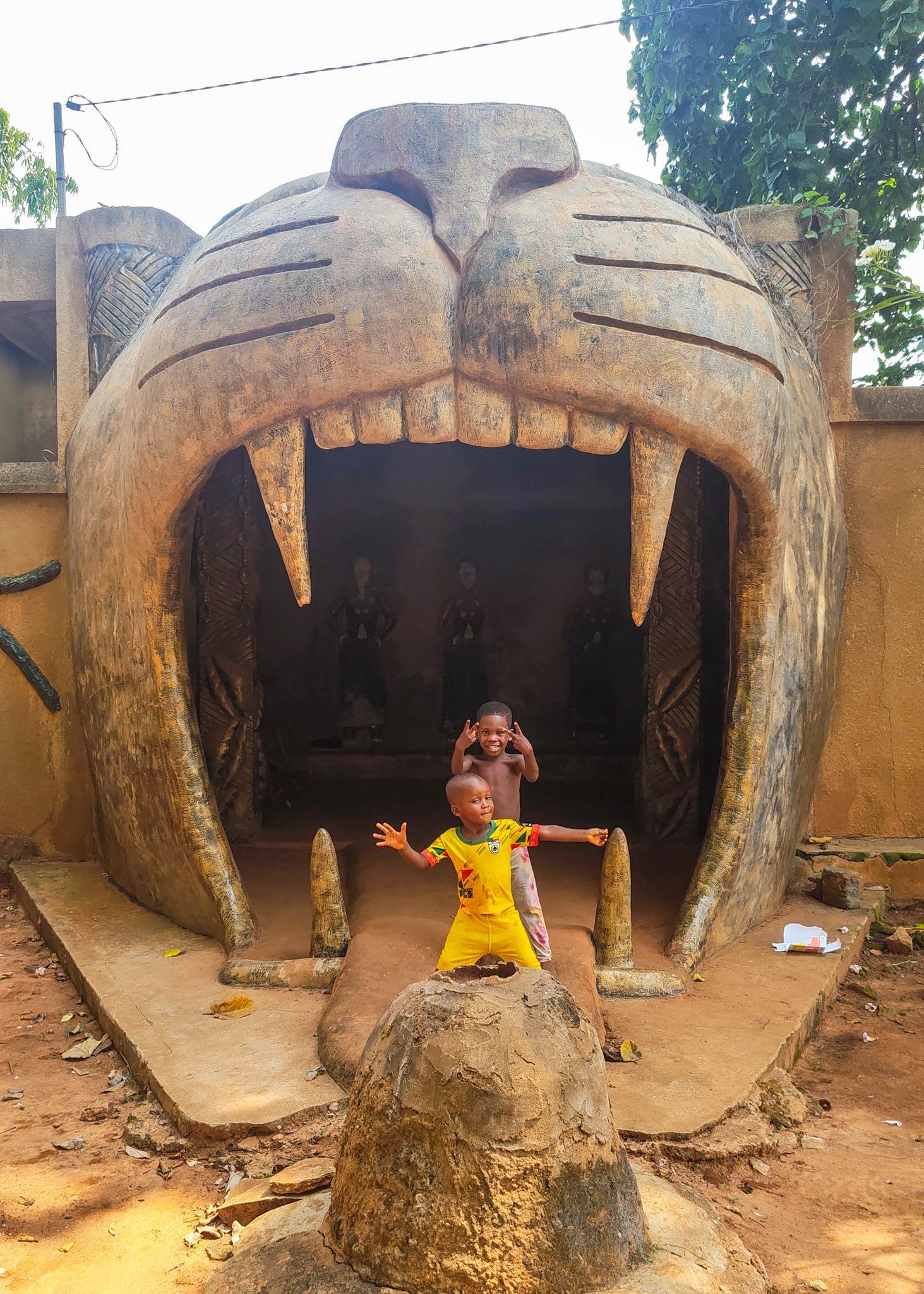
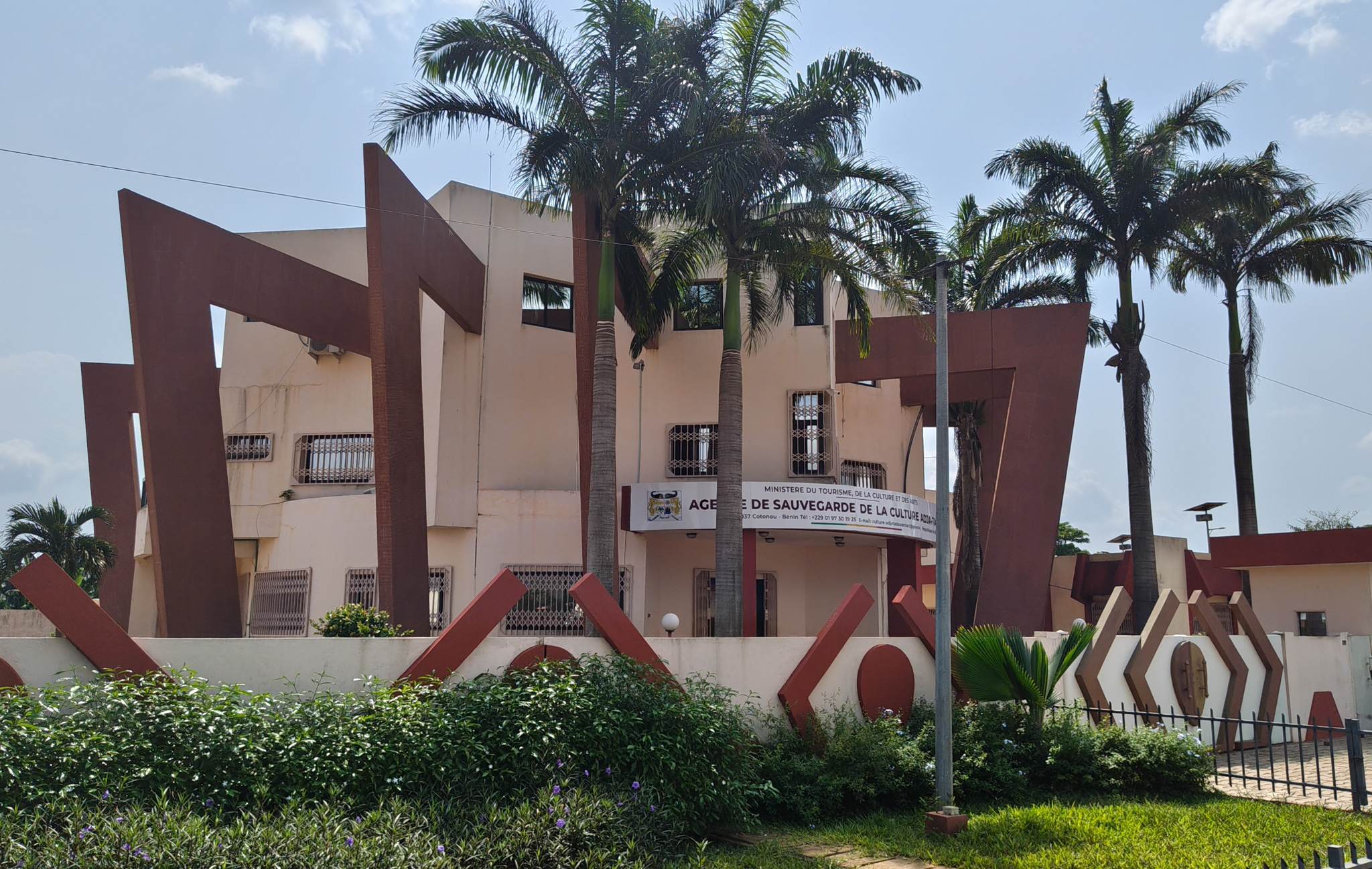
Togo & Benin
Nigeria