Cholets of El Alto
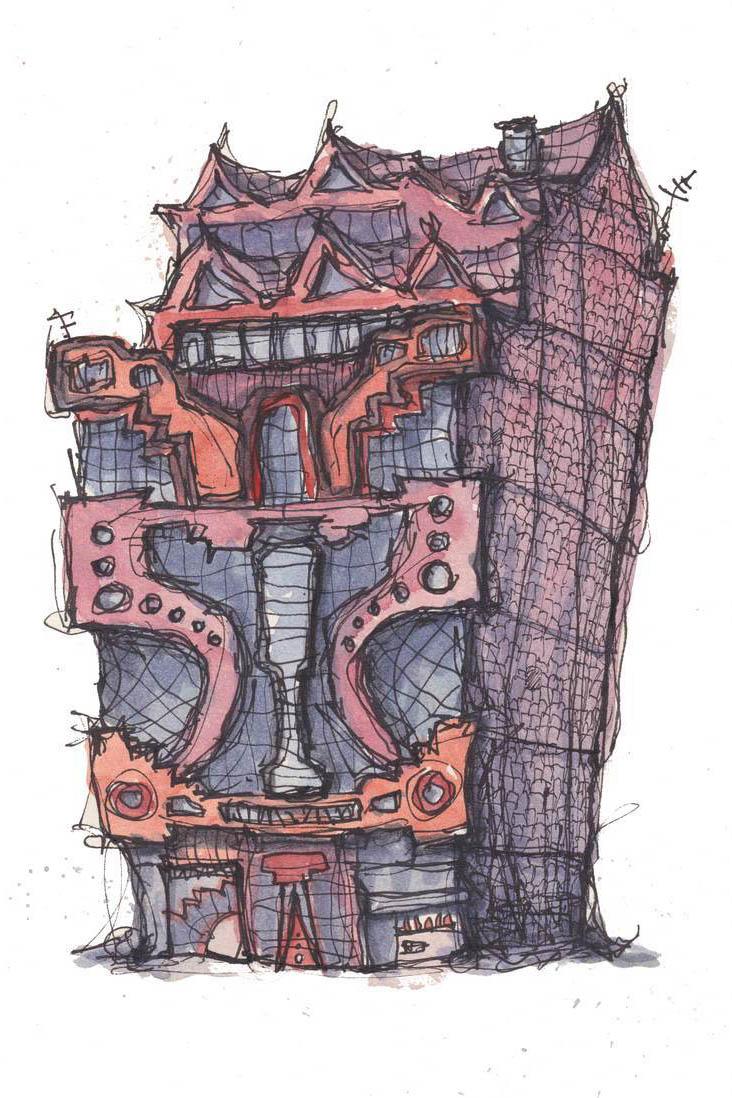
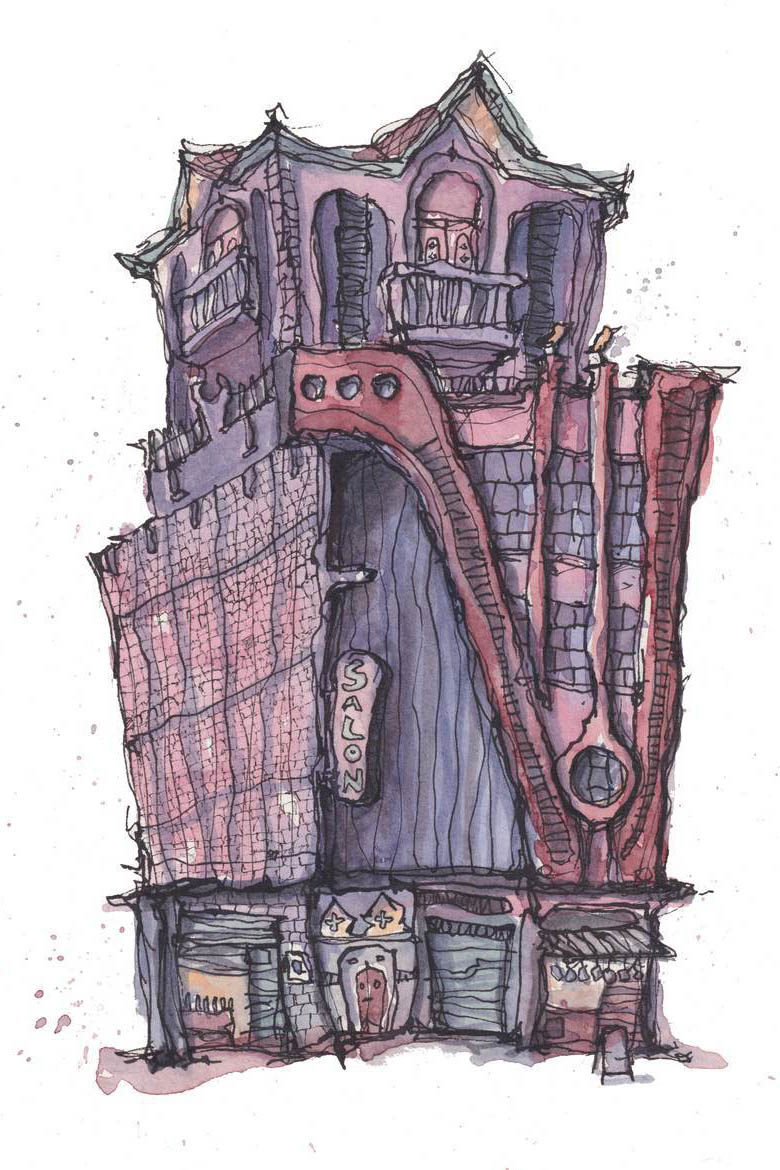
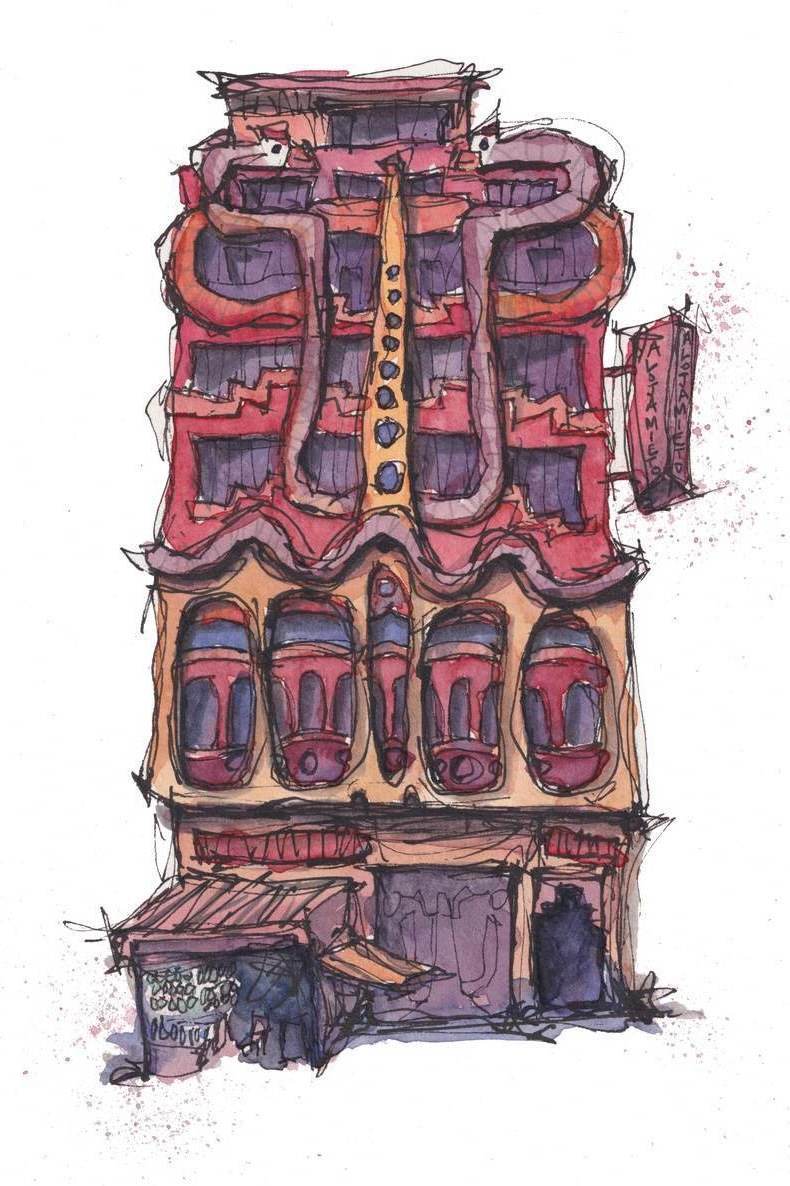
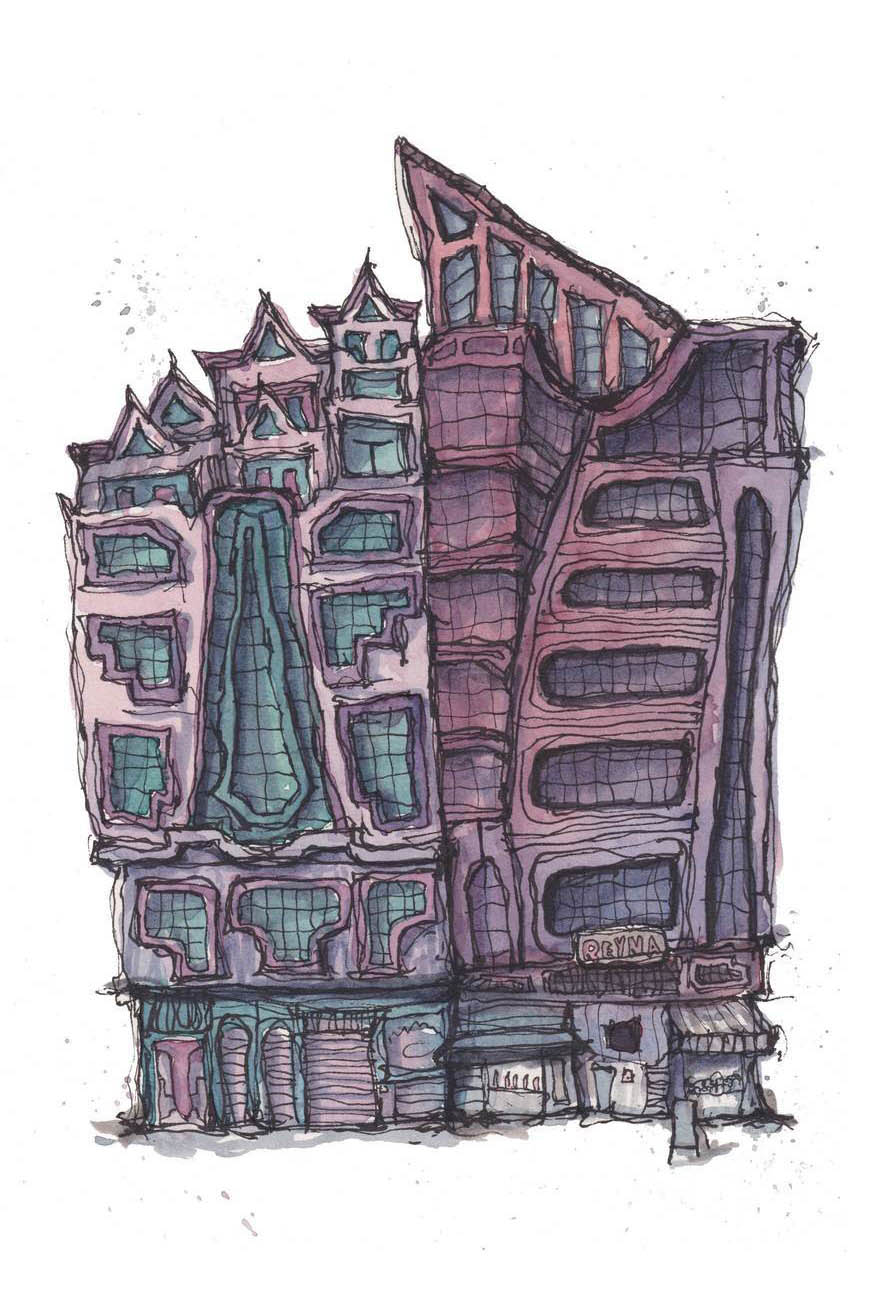
Last year, I spent a month in Bolivia on mountaineering expeditions in the Andes. Up on the plateau above the capital city of La Paz, the city of El Alto was scattered with these surreal, almost psychedelic buidings that felt completely out of place surrounded by brown brick buildings. These structures, called cholets, left a lasting impression on me, and I later returned to them through this series of expressive ink and watercolor studies.
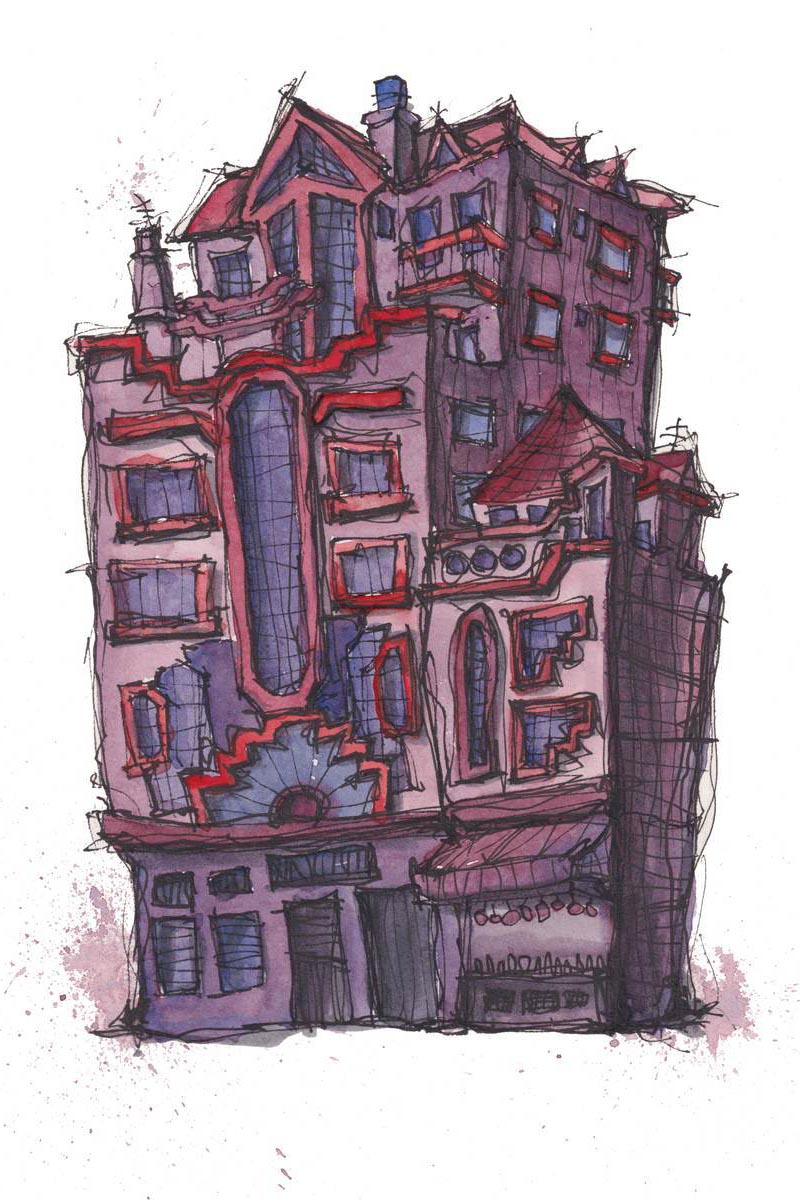
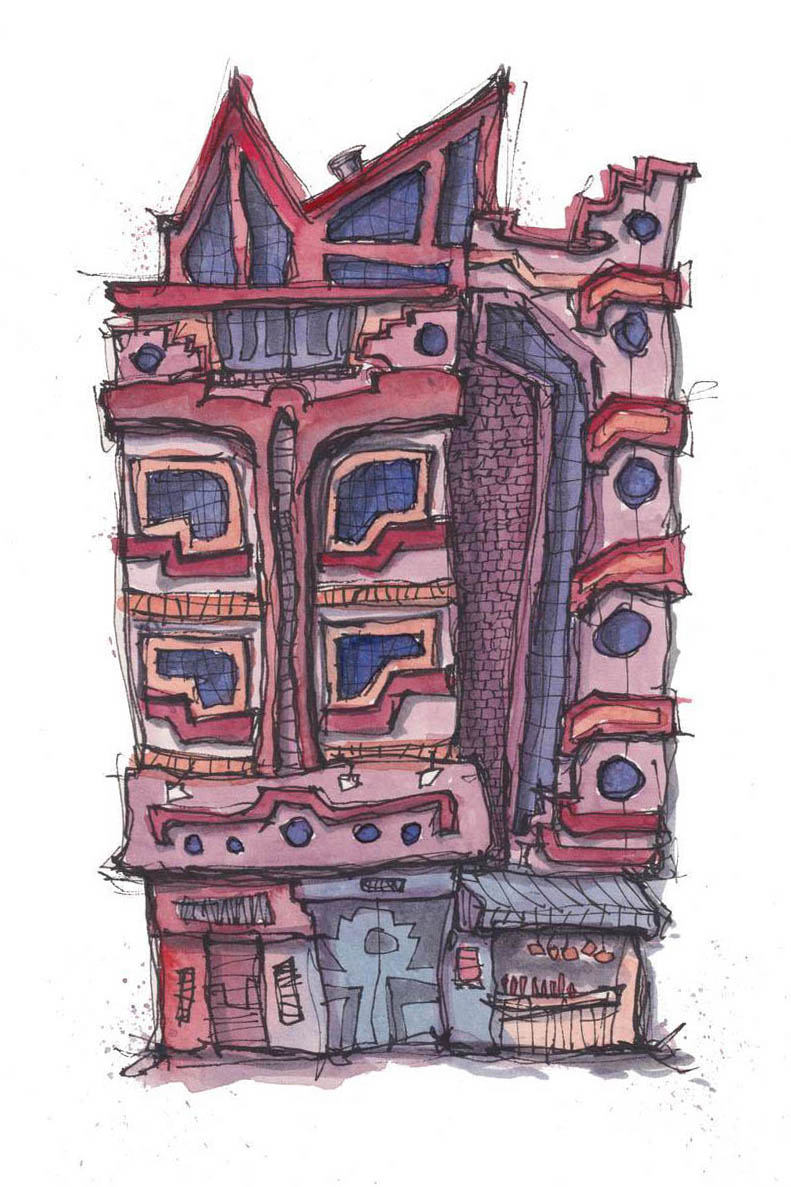
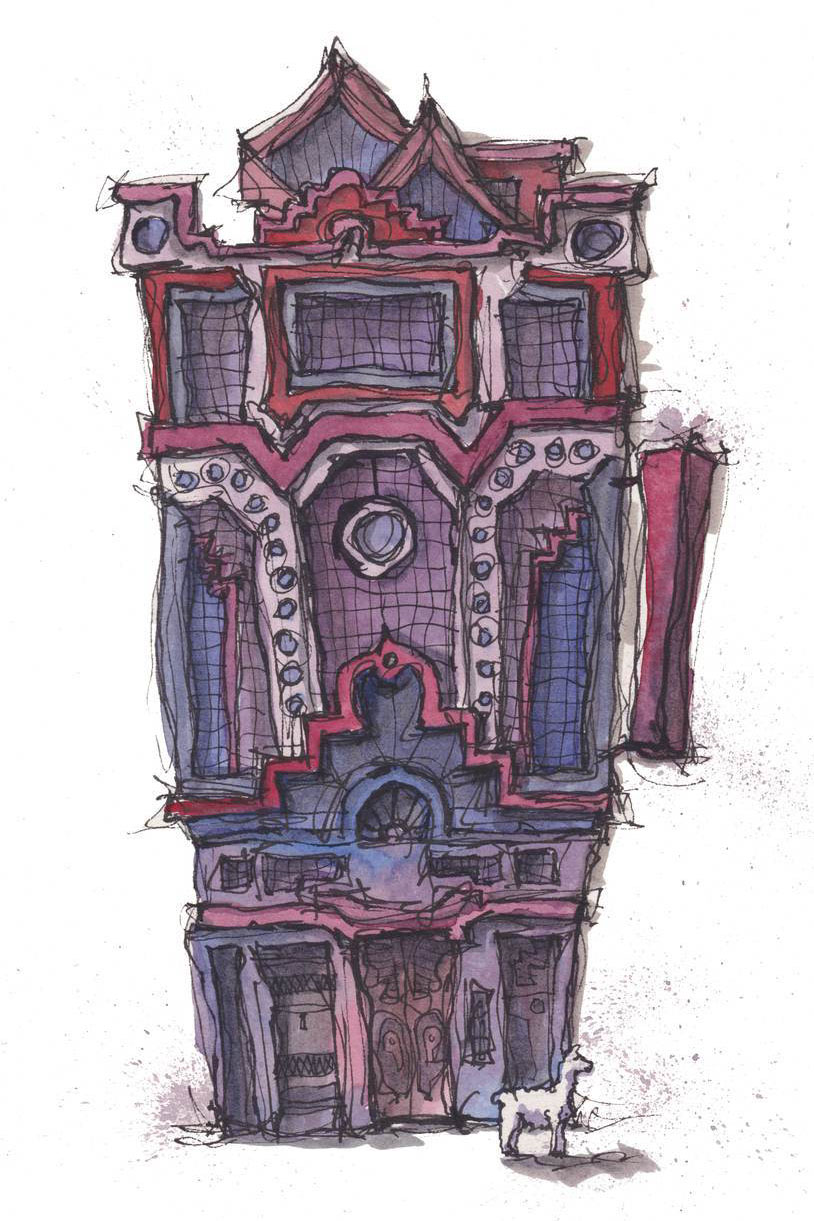
The City in the Sky
El Alto is unique for a few reasons: it’s the highest major city on Earth, and it also has the largest percentage of indigenous inhabitants for a large city. It sits at 4,150 meters above sea level, higher than most mountains in the Alps and any city in North America. The Aymara, an indigenous people native to Bolivia, make up nearly 80% of its population.
The city began as a peripheral settlement, a place where Aymara migrants from the Altiplano settled in the mid-20th century fleeing poverty. The La Paz government largely ignored it, so in 1985, El Alto declared its autonomy and became its own city. Since then, El Alto has grown to a metropolis of over a million people.
El Alto carries a radical political history. It was the epicenter of the 2003 Gas War, a popular Aymara-led uprising against the privatization of Bolivia’s natural gas reserves that brought hundreds of thousands of people into the streets, toppled a president, and reshaped Bolivian politics. This movement was rooted in the same neighborhoods where the buildings in this series stand.
What Is a Cholet?
The word cholet is itself a small act of cultural reclamation. It fuses “chalet” with “cholo”, a slur used against indigenous people. The term was initially coined pejoratively by the architectural establishment to dismiss these buildings as kitsch, as the tasteless ambition of people who didn’t know the rules. The Aymara builders kept the word and discarded the shame.
The geometric patterns found in these structures resemble those in the ruins of Tiwanaku, the capital of a pre-Incan civilization not far from El Alto. Specifically, the stepped symbol known as the chakana (meaning “great shining light” in Aymara) is the most used iconography, alongside stepped patterns from Tiwanaku culture.

The Anatomy of a Cholet
Each floor serves a different purpose: the ground floor spaces are used for income generation, and the upper floors for family life.
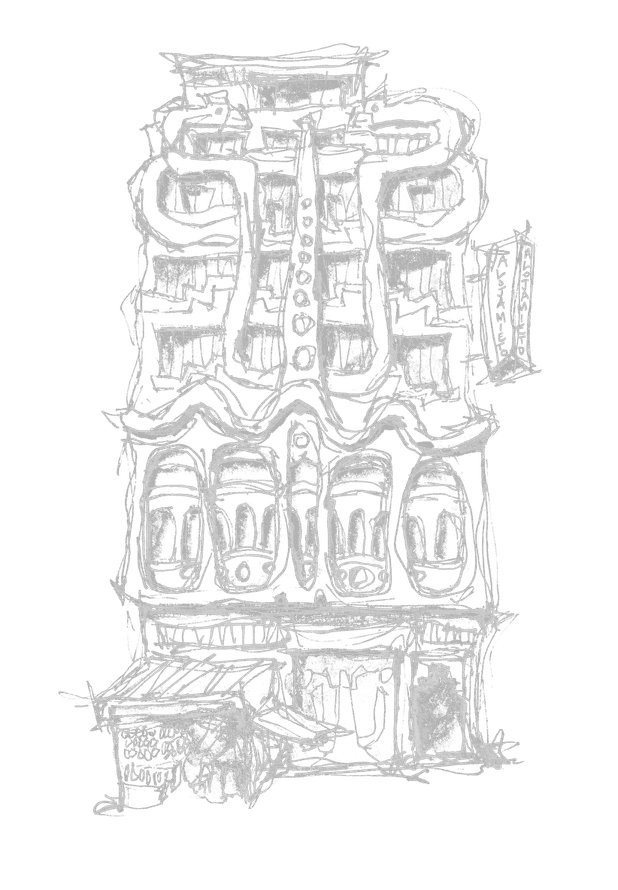
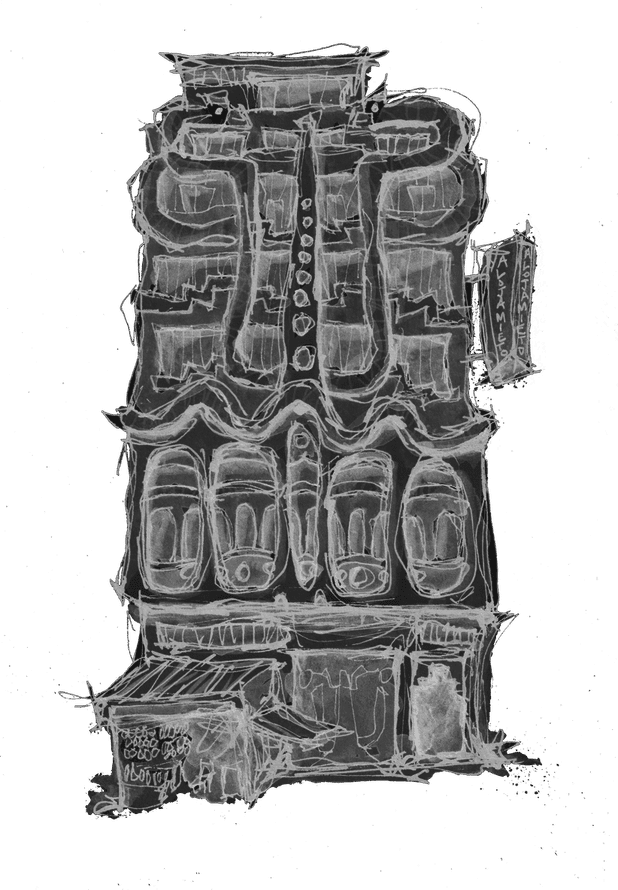
The Neo-Andean movement of cholets is designed in a way to serve the family’s full life. This architecture both a celebration of indigenous culture and a machine for living, working, and celebrating.
Bolivia’s indigenous majority was once framed in colonial discourse as destined for disappearance. Instead, it has undergone continuous reinvention, producing new cultural forms on its own terms. Since the construction of the first cholet two decades ago, Aymara architects like Freddy Mamani have built over seventy such structures, turning El Alto into a site of global architectural attention. It demonstrates that modernity does not have to mean losing identity and following western norms. I hope to see architects across the world taking note.